2026 Top High-Density Mgo Board Trends for Global Buyers?
The global market for High-Density Mgo Board is evolving rapidly. Industry expert, Dr. Andrew Ferguson, noted that “The demand for High-Density Mgo Board is reshaping construction methods.” As builders seek sustainable solutions, this material offers unique benefits. High-Density Mgo Board is known for its strength, fire resistance, and eco-friendly nature.
In 2026, trends indicate an acceleration in its adoption. Investors are recognizing its potential. New innovations emerge frequently, but they also raise questions. Are manufacturers keeping up with quality standards? Sometimes, companies rush products to market without sufficient testing. This can lead to unexpected challenges.
Clients and buyers need to be informed. They should choose suppliers who prioritize reliable materials. Understanding the nuances of High-Density Mgo Board helps in making better decisions. As the industry grows, staying updated on trends will be essential for success. Quality will always remain a priority.
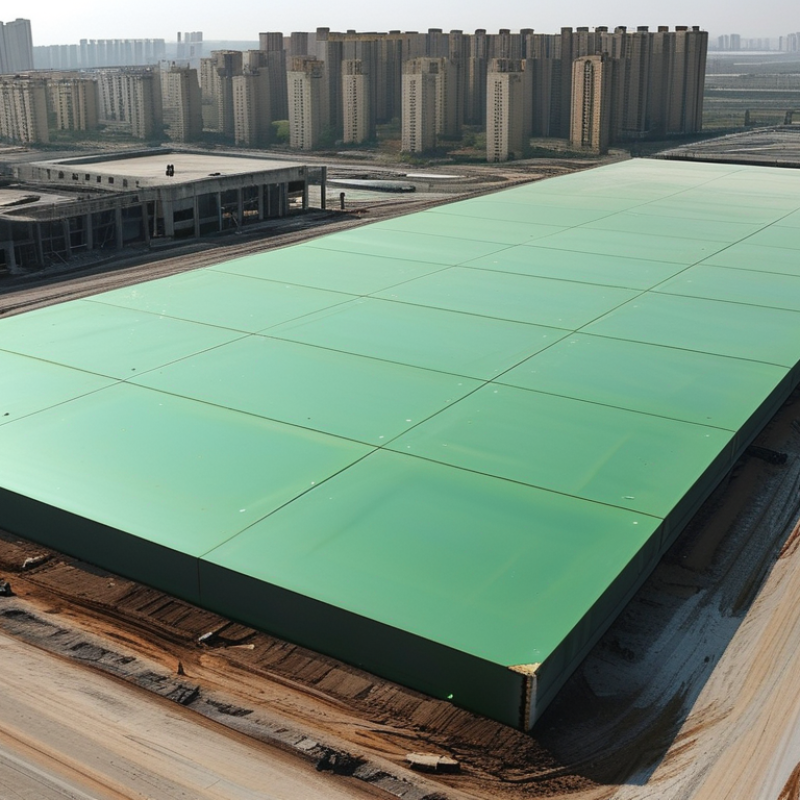
Emerging High-Density Mgo Board Technologies for 2026
As we look toward 2026, the high-density MgO board market is poised for transformation. Emerging technologies highlight advancements in moisture resistance and fireproof qualities, essential for modern construction environments. According to the Global MgO Board Market Report, the sector is expected to grow by 6.5% annually. This growth is driven by increased demand in sustainable building practices.
Innovative manufacturing techniques are gaining traction. For instance, the integration of nanotechnology can enhance the physical properties of MgO boards. This leads to superior insulation and durability compared to traditional materials. Moreover, companies are exploring alternative raw materials, which may address supply chain issues. Recent studies indicate that eco-friendly MgO board formulations could reduce carbon emissions by 20%.
Despite advancements, challenges remain. Issues in production consistency and market education persist. Many buyers still misunderstand the benefits of high-density MgO boards. Industry professionals emphasize the need for awareness and knowledge-sharing. This is crucial for encouraging wider adoption within the construction sector. As the market evolves, staying informed on these technological trends will be key for global buyers.
Market Demand Analysis for High-Density Mgo Boards in 2026
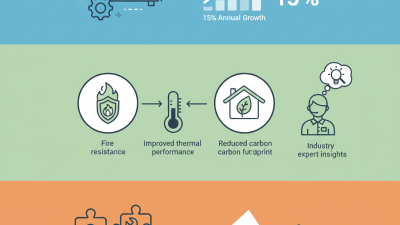
The demand for high-density MgO boards is projected to grow significantly by 2026. This growth is driven by the increasing need for sustainable building materials in construction. According to the Global MgO Board Market Report, demand for MgO boards has seen a surge of 15% annually in recent years. This trend reflects the rising adoption of eco-friendly materials in residential and commercial projects.
Factors contributing to this demand include heightened awareness of environmental issues and stricter building regulations. High-density MgO boards provide excellent fire resistance and thermal insulation. They are also moisture-resistant, making them suitable for various applications. A segment of the market is still wary of performance when compared to traditional materials. However, the advantages in sustainability cannot be ignored.
Additionally, market forecasts indicate that regions with rapid urbanization, such as Asia-Pacific, will experience the most significant demand growth. This region has a unique challenge in balancing sustainability and cost. It's vital for industry players to address quality and affordability concerns. Understanding these dynamics will be essential for stakeholders aiming to capitalize on market potential in 2026.
Key Suppliers and Manufacturers of High-Density Mgo Boards
High-density magnesium oxide (MgO) boards are gaining popularity for their durability and insulation properties. Understanding the key suppliers and manufacturers is essential for global buyers interested in this market. Some suppliers focus on eco-friendly production methods, ensuring sustainability. Others emphasize quality control, providing boards that meet international safety standards.
When choosing suppliers, consider their experience in the industry. A supplier with a proven track record offers reliability. Look for manufacturers that highlight their certifications. This indicates adherence to quality protocols. A diverse portfolio also signifies a robust supplier capable of catering to various construction needs.
Tips: Always request samples before placing large orders. This helps in evaluating the board's quality. Compare prices from multiple suppliers to ensure you get the best deal. Pay attention to customer reviews, as these can reveal the reliability of the supplier. Remember that not all suppliers may have a consistent product quality, so thorough research is key.
Sustainability Trends Impacting High-Density Mgo Board Production
The high-density magnesium oxide board (MgO board) industry is witnessing significant shifts due to sustainability trends. As more builders and manufacturers commit to eco-friendly practices, MgO boards are rising in popularity. According to a recent market report, the global MgO board market is projected to grow at a CAGR of 11.3% by 2026. This growth is largely driven by heightened awareness of environmental issues and building regulations favoring sustainable materials.
Production processes are evolving to meet these demands. Many firms are adopting green technologies and sourcing recycled materials. A report by the International Trade Administration indicates that over 30% of new construction projects now seek sustainable building materials. However, some manufacturers struggle with the balance between cost and sustainability, raising questions about long-term viability. Environmental certifications are gaining importance, yet they remain complicated and often inaccessible for smaller players.
Despite these challenges, the potential for innovation in the MgO board sector remains vast. Emerging technologies in production could help lower emissions. Still, this requires a concerted effort from all stakeholders. Reports suggest that consumer demand for eco-friendly products will continue growing, pushing the industry to adapt. Striking this balance may prove difficult, prompting ongoing reflection on the true impact of these trends in real-world scenarios.
Innovative Applications of High-Density Mgo Boards Worldwide
High-density magnesium oxide (MgO) boards are gaining traction globally. Their innovative applications are reshaping construction and design. These boards are versatile, durable, and environmentally friendly. They are increasingly used in residential and commercial buildings. Architects appreciate their fire-resistant properties and sound insulation capabilities. These characteristics make them suitable for various climates.
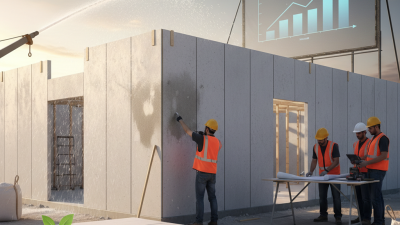
In modern construction, high-density MgO boards serve multiple functions. They can act as structural panels, insulation, and even aesthetic facades. They are ideal for both interior and exterior applications. The lightweight nature of these boards allows for easy handling and installation. This not only saves time but also reduces labor costs. However, some practitioners may struggle with proper installation techniques, leading to performance issues.
Tips: Always ensure proper training for installation teams. Regularly review installation guidelines to avoid mistakes. Quality checks after installation can mitigate long-term issues. Adopting these practices can enhance the reliability of high-density MgO boards in any project. Experts recommend using certified materials to maintain high standards in construction.
2026 Trends in High-Density Mgo Boards



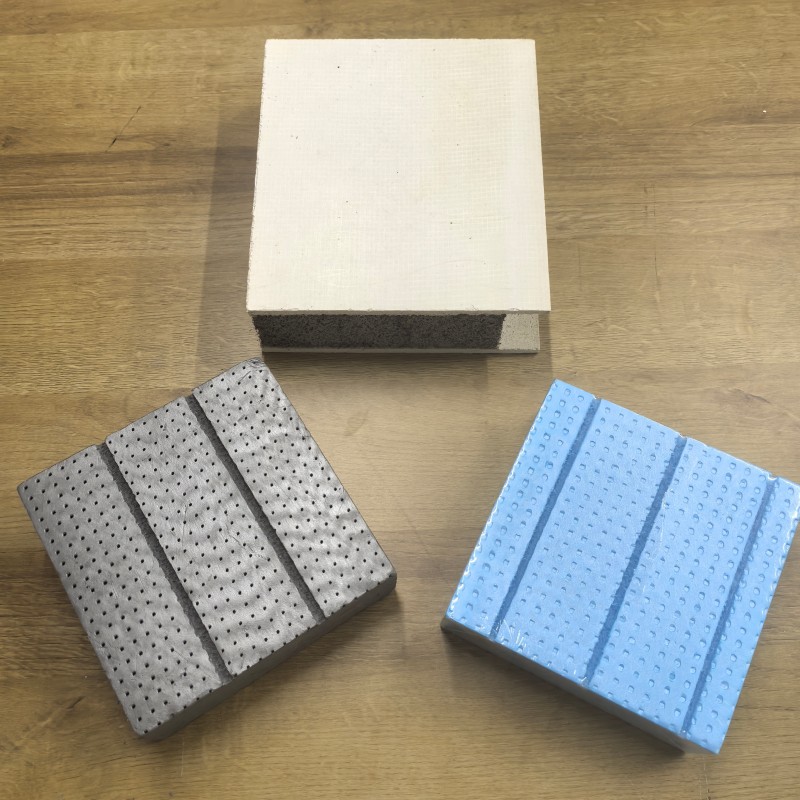 Environmental Building Board
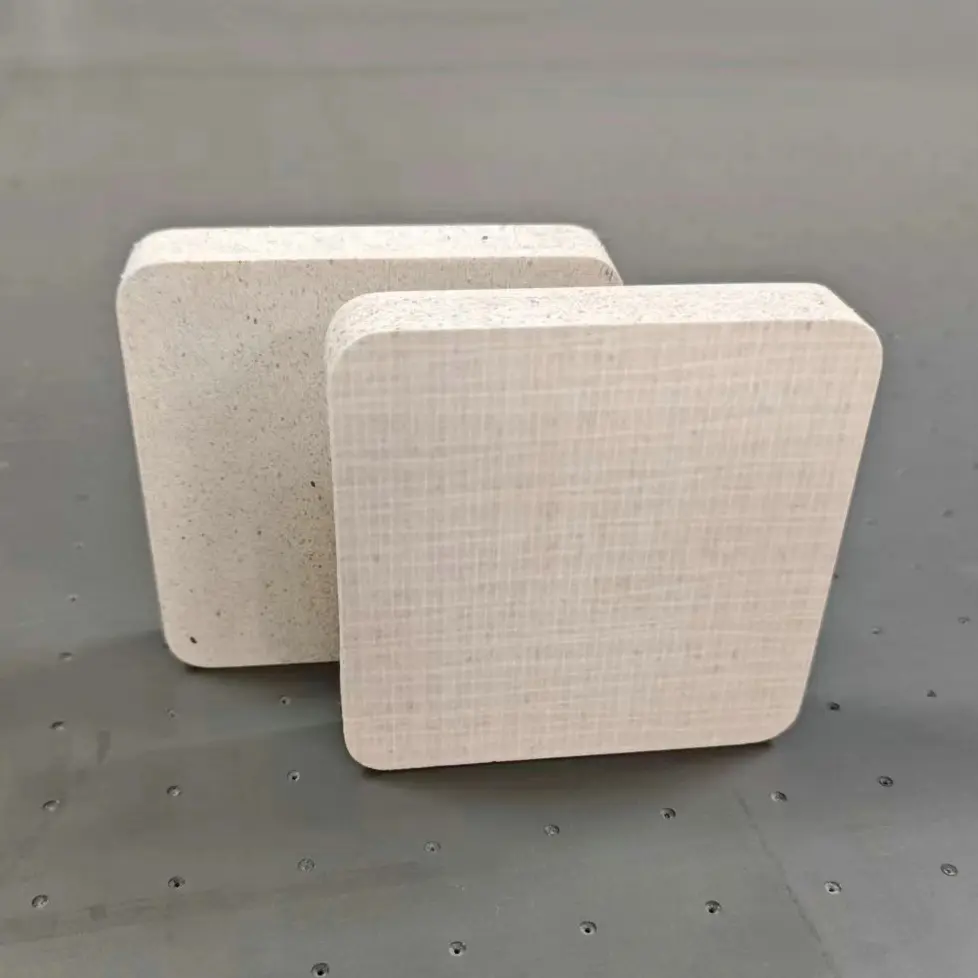 Fire-proof Board
 Sound Resistance
 Termite Resistance