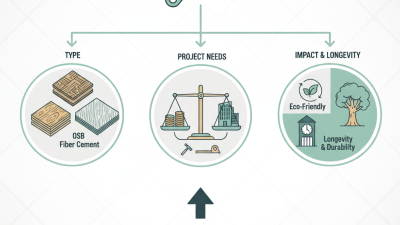
2026 Top Rock Wool Insulation Benefits and Applications?
Rock Wool Insulation stands out as a premium choice for energy efficiency and sustainable building practices. Known for its excellent thermal and acoustic properties, it plays a crucial role in modern construction. In 2026, the demand for this innovative material continues to rise due to its unique benefits.
This insulation option is made from natural rock and has remarkable fire-resistant qualities. It effectively reduces energy costs while enhancing indoor comfort. Many builders and homeowners are turning to Rock Wool Insulation, prioritizing both safety and environmental impact. Its durability and performance make it ideal for various applications, from residential homes to commercial buildings.
Yet, challenges remain. Some might find it more expensive than traditional options. Misunderstandings about installation can lead to issues if not properly addressed. As interest grows, it is essential to ensure accurate information and best practices are communicated. Overall, Rock Wool Insulation represents a forward-thinking choice for a sustainable future.

2026 Overview of Rock Wool Insulation
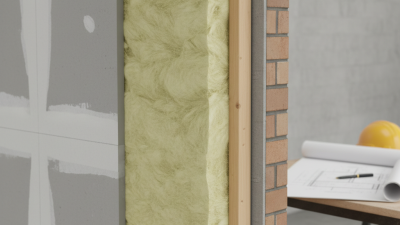
Rock wool insulation, also known as mineral wool, offers numerous benefits in construction. Its remarkable fire-resistant properties are crucial. According to recent studies, rock wool can withstand temperatures exceeding 1,000°C without melting or emitting toxic fumes. This makes it an essential material for safety in both residential and commercial buildings.
In addition to fire resistance, rock wool provides excellent thermal and acoustic insulation. A report from the Department of Energy indicates that buildings insulated with rock wool can achieve energy savings of up to 30%. The material minimizes heat loss in winter and keeps interiors cool during summer. Its sound-absorbing qualities also reduce noise pollution, creating a more comfortable environment.
Sustainability is another critical aspect. Many manufacturers produce rock wool from recycled materials, making it eco-friendly. However, there's an ongoing discussion about the lifespan of rock wool. While it can last for decades, proper installation is essential for maximizing its benefits. Improper application may lead to moisture accumulation, which could compromise its effectiveness. This raises the need for careful planning and skilled labor in projects utilizing rock wool insulation.
Key Benefits of Rock Wool Insulation
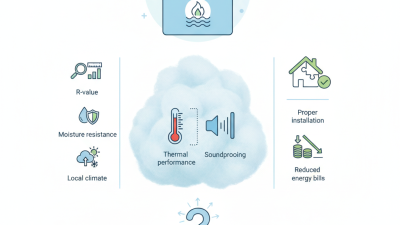
Rock wool insulation offers numerous benefits that enhance both residential and commercial spaces. Built from natural minerals, it provides excellent thermal resistance. This means spaces stay cooler in summer and warmer in winter. Its ability to trap air makes it an efficient choice for energy conservation. As a result, homeowners often experience reduced energy costs.
Another key advantage is its fire-resistance properties. Rock wool does not burn easily, providing an extra layer of safety. In case of fire, it slows down the spread of flames and prevents the release of smoke. This is particularly valuable in densely populated areas. Additionally, the soundproofing qualities of rock wool help create quieter living spaces. It absorbs sound, which makes it ideal for apartments and offices.
Despite its benefits, some users have concerns. Installation can be challenging without professional help. Proper handling is crucial to avoid skin irritation. Reflecting on these aspects is vital for those considering insulation options. Balancing pros and cons ensures informed decisions.
Applications of Rock Wool in Construction
Rock wool insulation is increasingly popular in construction for its exceptional benefits. This material, made from natural stone fibers, offers high thermal resistance. Recent industry reports indicate that rock wool can reduce energy consumption in buildings by up to 40%. This means lower energy bills for homeowners and businesses alike.
In commercial buildings, rock wool excels as a fire-resistant material. It can withstand temperatures up to 1,000 degrees Celsius. This characteristic is crucial in ensuring safety and compliance with building codes. Many architects now prefer rock wool for wall insulation, ceiling and floor systems, providing superior durability.
**Tip:** When choosing insulation, consider the R-value. It is a measure of thermal resistance. Higher R-values indicate better insulation.
Another application is in acoustic control. Rock wool absorbs sound, ideal for offices and schools. It helps create a quiet and comfortable environment. According to the Acoustical Society of America, proper insulation can reduce noise levels by up to 30 decibels.
**Tip:** Ensure proper installation of rock wool. Gaps can reduce its effectiveness and lead to energy loss.
Using rock wool in construction has clear advantages. However, it may require careful planning and consideration of local building codes.
2026 Top Rock Wool Insulation Benefits and Applications
| Benefit/Application |
Description |
Typical Uses |
Sustainability |
| Thermal Insulation |
Excellent heat resistance, reducing energy costs. |
Walls, roofs, and floors in residential and commercial buildings. |
Made from natural and recycled materials, reducing environmental footprint. |
| Sound Insulation |
Effective at sound absorption, enhancing acoustic comfort. |
Studios, offices, and residential applications where noise reduction is needed. |
Non-toxic and safe for indoor air quality. |
| Fire Resistance |
Inherently non-combustible and enhances fire safety. |
Industrial buildings, warehouses, and commercial spaces. |
Improves building safety standards without harmful chemicals. |
| Moisture Resistance |
Prevents moisture build-up, reducing mold growth. |
Basements, bathrooms, and high-humidity areas. |
Resilient against decay and provides longevity. |
| Flexibility and Ease of Installation |
Easy to cut and fit into various spaces. |
Complex architectural designs and retrofit applications. |
Minimizes waste during installation. |
Comparative Analysis with Other Insulation Materials
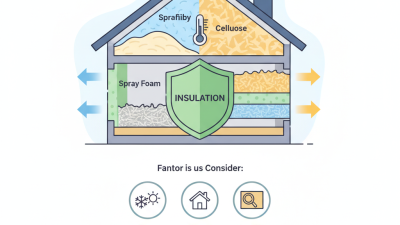
Rock wool insulation has gained attention for its unique properties. Its fire resistance surpasses that of fiberglass, offering a melting point of over 1,800°F. This makes it a safer option in fire-prone areas. In addition, according to a report by IBISWorld, rock wool has higher acoustic performance than cellulose insulation, helping to reduce noise in residential and commercial buildings.
When comparing rock wool to traditional foam insulations, the energy efficiency of rock wool stands out. Research from the U.S. Department of Energy indicates that rock wool can achieve R-values between 3.0 and 4.0 per inch, competing closely with foam products. However, rock wool's density may lead to higher material costs in some cases. This aspect can deter some builders who are sensitive to budget constraints.
Sustainability is another factor where rock wool excels. It consists of 70% recycled materials, reducing the ecological footprint. Yet, the manufacturing process can have a higher carbon output than other insulations. This factor requires consideration when choosing materials based on environmental impact. Balancing performance, cost, and sustainability continues to challenge industry stakeholders in selecting insulation options.
2026 Top Rock Wool Insulation Benefits and Applications Compared to Other Insulation Materials
Future Trends in Rock Wool Insulation Technology
Rock wool insulation continues to evolve, with several future trends shaping its technology. The focus is on sustainability. As the demand for eco-friendly materials increases, manufacturers are exploring new recycling methods for rock wool production. This not only reduces waste but also lowers carbon footprints. Enhanced thermal performance is another trend. Future products will likely incorporate advanced technologies that optimize heat retention. Better insulation translates to energy savings and improved comfort.
These advancements are driven by the need for energy-efficient buildings. Architects and builders are increasingly prioritizing insulation materials that meet higher standards. Homeowners are seeking solutions that provide better indoor air quality. Rock wool’s fire resistance and soundproofing properties make it an attractive choice.
Tip: When selecting insulation, examine environmental certifications. Look for low VOC emissions and long-term benefits.
Technology integration is also on the rise. Smart systems may monitor energy efficiency in real-time. This could inform homeowners about their insulation's performance. Understanding these trends can guide decisions about future projects.
Tip: Stay updated on insulation technologies. Read industry publications and attend workshops. Knowledge is a key asset in making informed choices.



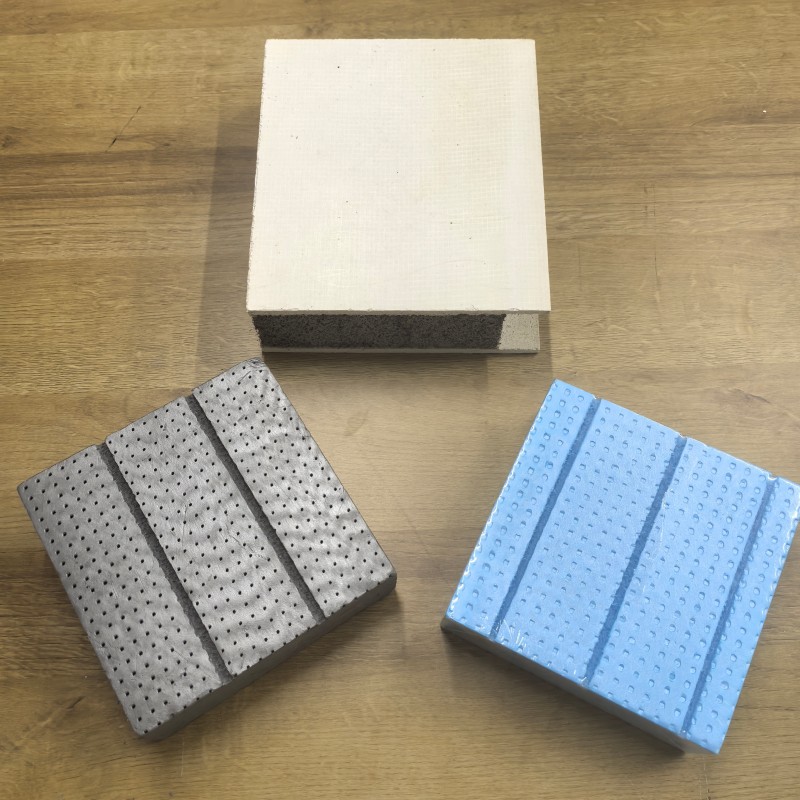 Environmental Building Board
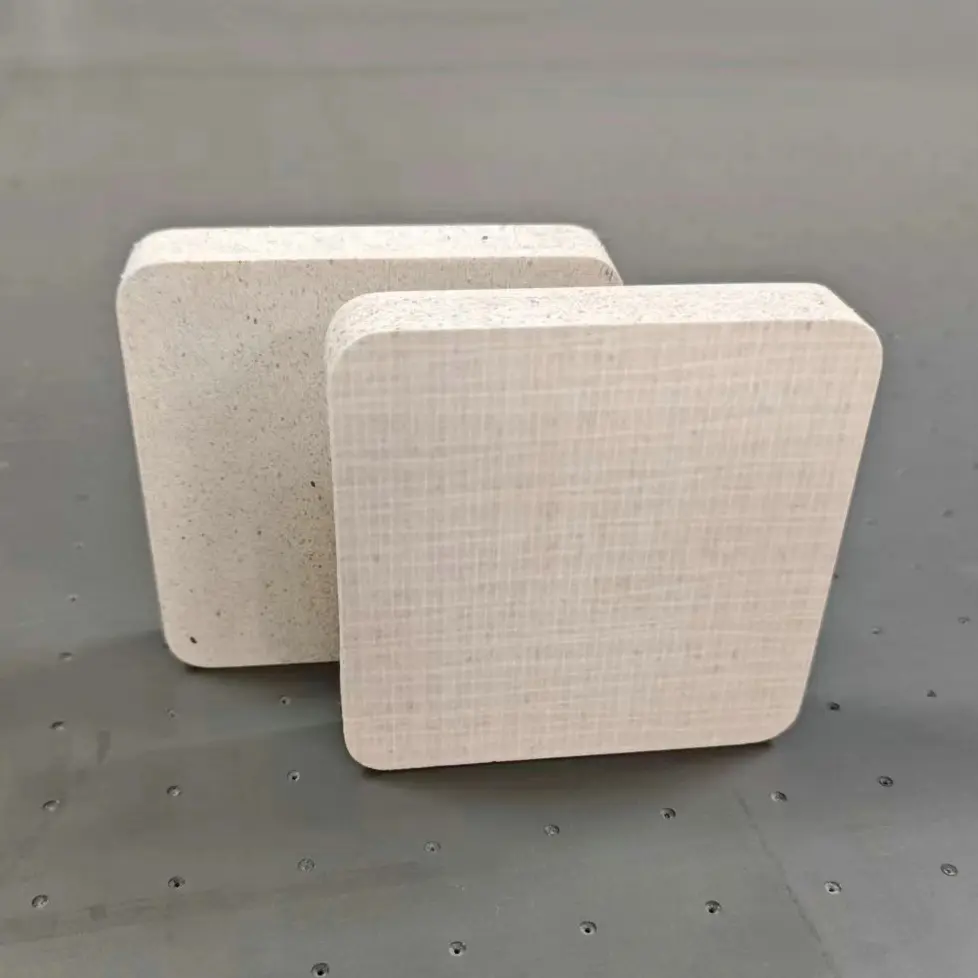 Fire-proof Board
 Sound Resistance
 Termite Resistance