2026 Top Decorative Board Trends for Global Buyers?
The world of interior design is constantly evolving, and the use of Decorative Board is a significant trend shaping environments. As we anticipate the changes for 2026, global buyers must stay informed. Decorative Boards offer versatility and style, making them highly sought after. They can transform spaces in residential and commercial settings alike.
New textures and finishes are emerging, enhancing the aesthetic appeal of Decorative Boards. Sustainability is becoming integral. More consumers are opting for eco-friendly options. This aligns with a broader trend towards responsible design choices. Yet, not every trend will resonate. Some innovations may fall short of expectations, prompting reflection on their practicality and appeal.
Diverse styles and cultural influences will play a role in 2026. Personalization is key, as buyers look for unique statements within their spaces. The future promises exciting developments, but the market must remain critical. The journey of Decorative Board design is ongoing, revealing both opportunities and challenges. Understanding these trends will empower buyers to make informed decisions.
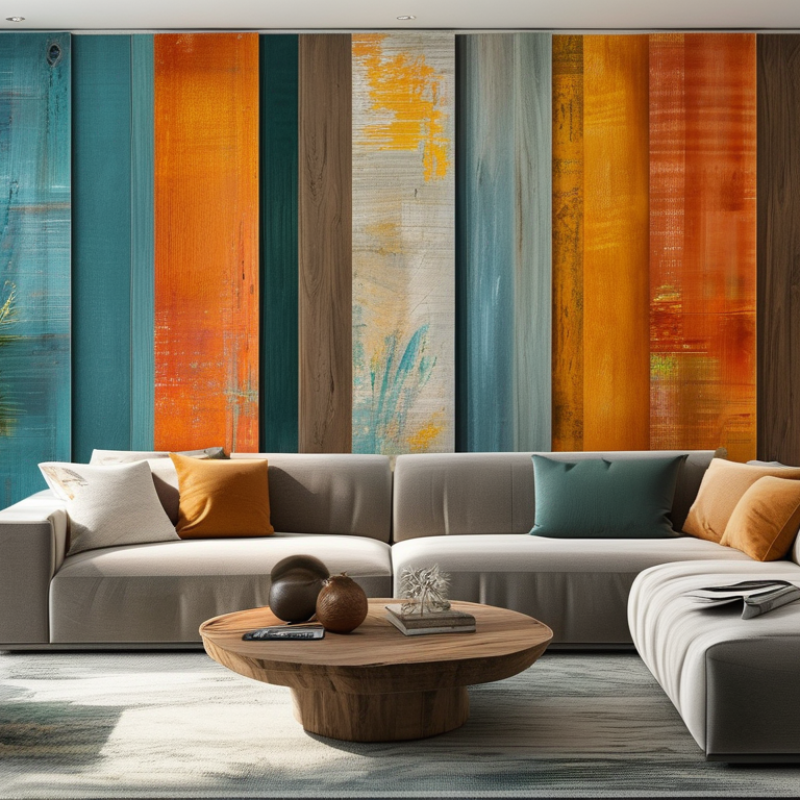
Emerging Materials in Decorative Boards for 2026
Emerging materials are reshaping the decorative board landscape in 2026. According to recent industry reports, sustainability is a key theme. Biodegradable composites and reclaimed wood are gaining traction. Buyers increasingly seek eco-friendly options that minimize environmental impact. In fact, 70% of consumers prefer products that use sustainable materials.
Innovative technologies are also influencing material development. Recently, manufacturers have introduced low-emission adhesives and coatings. These help reduce indoor air pollution while maintaining durability and aesthetics. Reports highlight that boards made from recycled materials can perform comparably to traditional options. This advancement can help reduce waste in landfills and promote a circular economy.
Consideration of texture and finish is crucial as well. Textured surfaces can enhance visual appeal and provide a unique feel. Manufacturers are experimenting with new methods to achieve these effects without sacrificing quality. Frequent developments in the market might create confusion. Staying informed about the latest trends is essential for making educated purchasing decisions.
Reflect on how your choices impact the environment. Prioritize products that combine functionality with eco-consciousness. It's worth evaluating how emerging materials can meet both aesthetic and practical needs. Engaging with manufacturers about their materials can provide better insight into their sustainability practices.
2026 Top Decorative Board Trends for Global Buyers
| Trend |
Material Type |
Sustainability Rating |
Texture |
Color Palette |
| Biophilic Design |
Natural Wood |
High |
Rough |
Earth Tones |
| Smart Surfaces |
HPL (High Pressure Laminate) |
Medium |
Smooth |
Monochromatic |
| Recycled Composites |
Recycled Wood and Plastic |
Very High |
Varied |
Bright Accents |
| 3D Textured Panels |
MDF (Medium Density Fiberboard) |
Medium |
Textured |
Pastels |
| Digital Prints |
Vinyl |
Low |
Flat |
Vibrant |
Influential Styles Shaping Decorative Board Designs Globally
The global decorative board market is evolving rapidly. Influential styles are shaping designs worldwide. According to a recent industry report, the market for decorative boards is expected to reach $80 billion by 2026, driven by increasing demand in interior design and furniture industries. Natural textures and eco-friendly materials are leading the way. Consumers prefer sustainable options that mirror authentic surfaces, like wood and stone.
Another emerging trend is minimalism. This style emphasizes clean lines and simplicity. Reports indicate that minimalistic designs are favored by 65% of modern homeowners. However, achieving balance in minimalism can be tricky. Too much simplicity can make spaces feel sterile. Strive to incorporate personal touches that give warmth and character.
For designers, consider the significance of color. Bold hues and patterns are gaining traction in decorative boards. A survey found that 55% of buyers want vibrant designs to express individuality. Yet, overuse can overwhelm a space. It's essential to find the right balance between boldness and subtlety. Integrating elements that resonate with the user's style is crucial for successful design.
Sustainable Practices in the Decorative Board Industry
Sustainable practices are shaping the decorative board industry. Many manufacturers are shifting to eco-friendly materials. They are exploring options like bamboo, reclaimed wood, and recycled plastics. This trend reflects a growing consumer demand for sustainability in products. Decorative boards no longer focus solely on aesthetics; they must also meet environmental standards.
Incorporating sustainability often comes with challenges. Some companies struggle to source materials responsibly. Others find it hard to balance cost with eco-friendly alternatives. Innovations in production methods can minimize waste. However, the industry must continuously evolve to reduce its carbon footprint. Transparency in sourcing and production is crucial. Buyers are increasingly seeking assurance regarding their purchases' environmental impact.
The movement toward sustainable decorative boards reflects a larger trend in consumer behavior. More shoppers prioritize products that align with their values. This shift can drive manufacturers to adopt greener practices. As the market grows, the need for reliable resources will only increase. Industries that adapt will likely thrive in the competitive landscape.
Technological Innovations Transforming Decorative Boards
Technological innovations are redefining the decorative board industry as we approach 2026. With the global decorative board market projected to reach USD 85 billion by 2026, according to a recent market analysis, advancements are crucial to meet evolving consumer demands. For instance, manufacturers are increasingly adopting smart technologies. Sensors embedded in boards can monitor humidity and temperature, enhancing durability and performance. These innovations maximize the longevity of decorative boards, reducing waste and the need for replacements.
Sustainability is another significant trend driven by technology. Eco-friendly materials are now accessible, allowing production processes to minimize their carbon footprint. The latest reports indicate that boards made from recycled materials have surged in popularity, accounting for over 30% of the market share. Incorporating biodegradable polymers and low-VOC finishes supports green practices while meeting aesthetic preferences.
When selecting decorative boards, keep these points in mind: prioritize materials from sustainable sources, check for certifications, and look for innovations that improve functionality. Assessing technology's role in enhancing design and efficiency is essential. Consider the board's lifecycle and its impact on the environment. Embracing technology is not just about aesthetics; it’s about responsibility and foresight in procurement strategies.
Key Markets and Consumer Preferences in 2026
As we look ahead to 2026, understanding key markets and consumer preferences is crucial for decorative board trends. The global demand is shifting towards sustainability and personalization. Buyers are increasingly seeking eco-friendly materials that reflect their values. People want products that not only look good but also tell a story.
Some trends show an inclination towards textured surfaces and bold colors. Many consumers are leaning towards unique finishes. These finishes often enhance a space's ambiance, creating distinct aesthetic experiences. Experimentation with materials will define creativity in 2026. It invites designers to redefine how spaces feel and function.
When considering your approach, think about local trends. Engage with community preferences. This can provide insights that lead to better product offerings. It’s important to remain flexible. An openness to adjust strategies based on real-time feedback can be invaluable. This adaptability may reveal insights that data alone will not capture. Pay attention to evolving consumer behaviors to stay relevant in the dynamic market landscape.



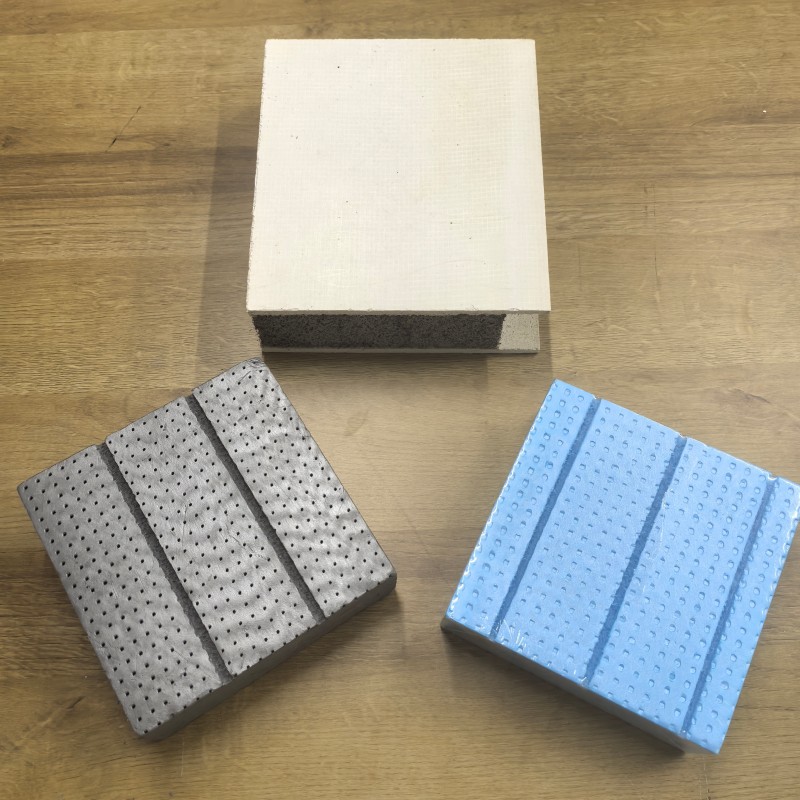 Environmental Building Board
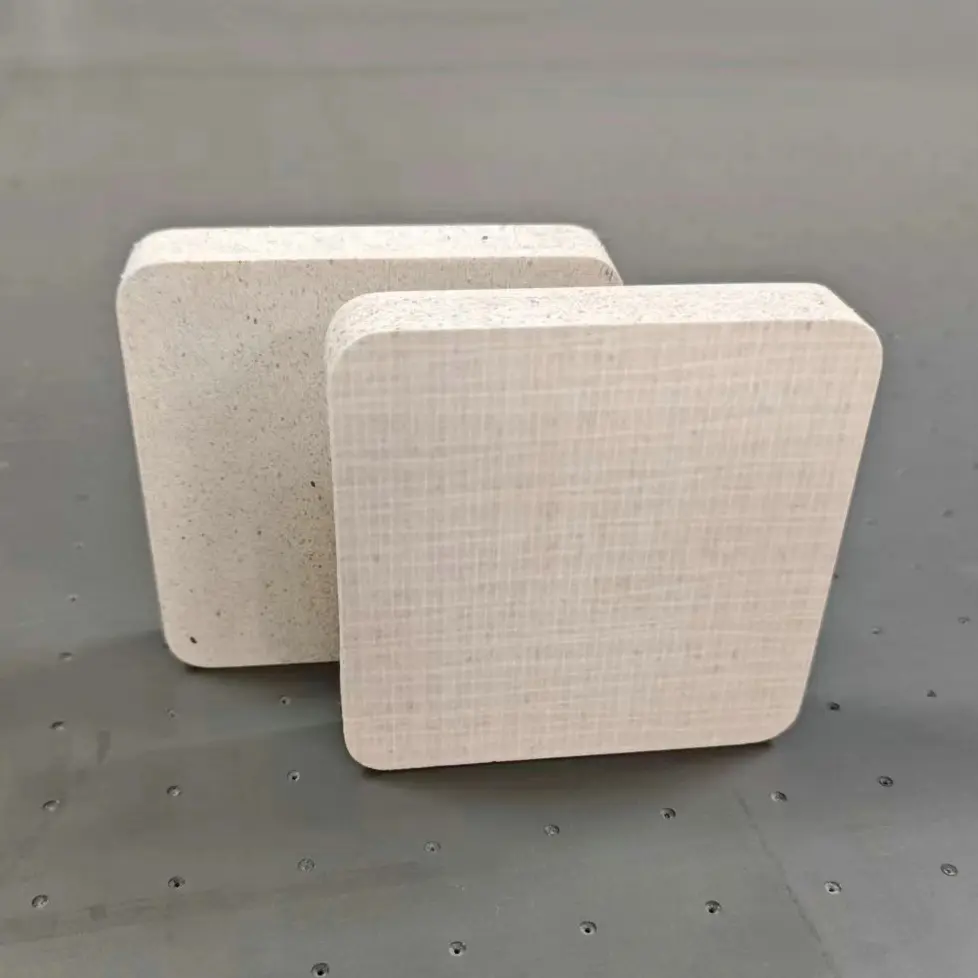 Fire-proof Board
 Sound Resistance
 Termite Resistance