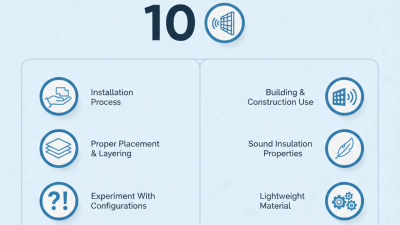
Top 10 Benefits of Sound Absorbing Glass Wool for Global Buyers?
In recent years, the demand for sound-absorbing materials has surged, particularly in construction and interior design. Sound-Absorbing Glass Wool has emerged as a leading solution for noise control. Industry reports indicate that the global market for acoustic insulation is projected to reach $12 billion by 2025. This growth highlights the increasing awareness of the impact of noise pollution on health and productivity.
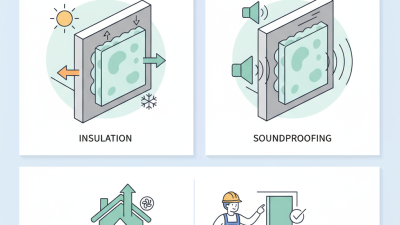
Sound-Absorbing Glass Wool offers several advantages. It provides excellent thermal insulation while effectively reducing sound transmission. This dual functionality is crucial in urban environments, where noise is a significant concern. Moreover, its lightweight properties make it an efficient choice for builders and architects alike.
Despite its benefits, some critics argue that the effectiveness of sound-absorbing materials can vary depending on installation methods and environmental factors. This complexity suggests that buyers must consider expert advice when choosing sound-absorbing solutions. Overall, investing in Sound-Absorbing Glass Wool could be a step towards creating quieter and more comfortable spaces, but due diligence is essential.
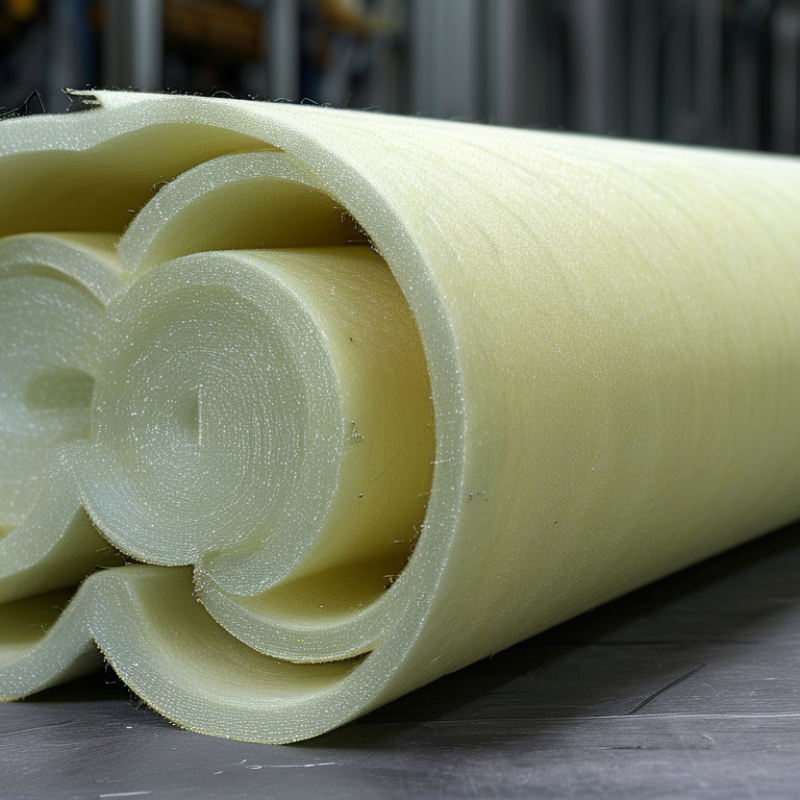
Key Properties of Sound Absorbing Glass Wool
Sound absorbing glass wool has become a popular material in various industries. It offers unique properties that enhance sound insulation and improve acoustic comfort. The lightweight structure allows easy installation, making it a favored choice for builders and architects. Its fibrous nature effectively captures sound waves, leading to lower noise levels in both residential and commercial spaces.
Tips for using sound absorbing glass wool include selecting the right thickness. A thicker layer provides better sound absorption. Consider the specific space where you plan to install it. For example, recording studios require different acoustic treatment compared to open office environments. Choosing the correct density can also influence its performance.
One key property of this material is its thermal insulation. It maintains temperature while reducing sound transmission. This dual functionality makes it a cost-effective solution for energy efficiency. However, users should be aware of its installation challenges. Improper fitting may result in performance issues. Regular maintenance checks are essential to ensure its effectiveness.
Top 10 Benefits of Sound Absorbing Glass Wool for Global Buyers
| Benefit |
Description |
Key Property |
| Sound Insulation |
Reduces the transmission of sound between spaces. |
High density |
| Energy Efficiency |
Helps in maintaining temperature, thus reducing energy costs. |
Thermal insulation |
| Fire Resistance |
Does not burn easily, providing safety in building structures. |
Non-combustible |
| Lightweight |
Easier to handle and install compared to other insulation materials. |
Low mass |
| Eco-Friendly |
Made from recycled materials, reducing environmental impact. |
Sustainable sources |
| Moisture Resistance |
Does not absorb water, preventing mold growth. |
Hydrophobic nature |
| Versatility |
Can be used in various applications such as walls, ceilings, and floors. |
Adaptable for use |
| Durability |
Long-lasting performance with minimal degradation. |
Structural integrity |
| Cost-Effective |
Offers great value with lower installation and maintenance costs. |
Economic advantage |
| Aesthetic Appeal |
Can be finished to match interior designs, enhancing visual appeal. |
Flexible design options |
Applications of Sound Absorbing Glass Wool in Various Industries
Sound absorbing glass wool is gaining attention across various industries. Its lightweight nature and excellent acoustic properties make it an ideal choice for soundproofing solutions. In construction, it is widely used in walls, ceilings, and floors to reduce noise pollution. With urban areas growing, sound control is essential for maintaining a comfortable living environment.
In the automotive sector, this material plays a critical role in enhancing passenger comfort. Automakers use sound absorbing glass wool in interiors to minimize engine noise and vibrations. It contributes to a quieter ride, improving overall driving experience. Meanwhile, the HVAC industry benefits from its thermal insulation properties, as it helps maintain temperature while reducing sound transmission.
However, it's important to acknowledge some challenges. While effective, sound absorbing glass wool can be sensitive to humidity. In damp environments, its performance may diminish. Additionally, installation requires precision to achieve desired results. Understanding these limitations is vital for any industry considering its use.
Environmental Benefits of Utilizing Sound Absorbing Glass Wool
Sound-absorbing glass wool is gaining attention for its environmental benefits. It is made from recycled materials, reducing landfill waste significantly. According to industry reports, about 90% of the raw materials used in glass wool can be recycled. This is a positive step towards sustainability.
The production of sound-absorbing glass wool also requires less energy. A study by the International Energy Agency notes that using glass wool can cut down energy consumption by up to 30%. Lower energy requirements mean lower carbon emissions during manufacturing. This aligns with global efforts to combat climate change.
Additionally, sound-absorbing glass wool enhances indoor comfort. It helps reduce noise pollution, contributing to better well-being. The World Health Organization indicates that noise exposure can lead to various health issues, including stress and sleep disturbances. By utilizing sound-absorbing glass wool, buildings not only become quieter but also contribute to healthier living spaces. However, some challenges remain, such as ensuring that production processes are sustainable. Balancing efficiency and environmental responsibility is vital for future advancements.
Cost-Effectiveness and Energy Efficiency of Glass Wool Insulation
Glass wool insulation offers significant cost-effectiveness and energy efficiency. Its lightweight nature makes installation easier, reducing labor costs. This material is not only affordable upfront but also helps lower energy bills over time. Homes and buildings insulated with glass wool maintain stable temperatures, thus decreasing the need for excessive heating or cooling.
Energy efficiency is a key concern for many homeowners. Glass wool provides excellent thermal resistance, minimizing heat transfer. This results in energy savings, making homes eco-friendly. Although many embrace this material, some may question its long-term durability or performance. It is essential to consider proper installation to achieve optimal results.
While glass wool has many advantages, challenges exist. For example, improper handling during installation can lead to effectiveness loss. Some may find its texture irritating, which requires precautions. Weighing pros and cons is vital for informed decisions. Quality insulation contributes to sustainable living, but knowledge about potential issues is equally important.
Comparative Analysis: Glass Wool vs Other Sound Absorption Materials
When comparing sound-absorbing materials, glass wool stands out for several reasons. It boasts excellent acoustic performance, effectively reducing noise levels in various environments. Unlike many alternatives, glass wool is lightweight and easy to install. This makes it a popular choice for construction projects. It also offers flexibility in application, from walls to ceilings.
In contrast, materials like foam can be less effective in certain frequencies. While foam is lightweight, it may not provide the same sound-dampening qualities as glass wool. Additionally, heavy materials such as concrete are often more costly and challenging to work with. The risk of missing out on optimized sound absorption increases when opting for less efficient materials.
**Tip:** Consider the installation environment when choosing a sound absorption material. Glass wool performs well in spaces requiring high acoustic efficiency. Ensure to assess the available space and desired sound characteristics.
While glass wool offers many benefits, it is essential to acknowledge potential downsides. It can be less fire-resistant compared to some options. Regular maintenance may be needed to prevent moisture buildup. Understanding these aspects is crucial for making informed decisions about sound absorption materials.



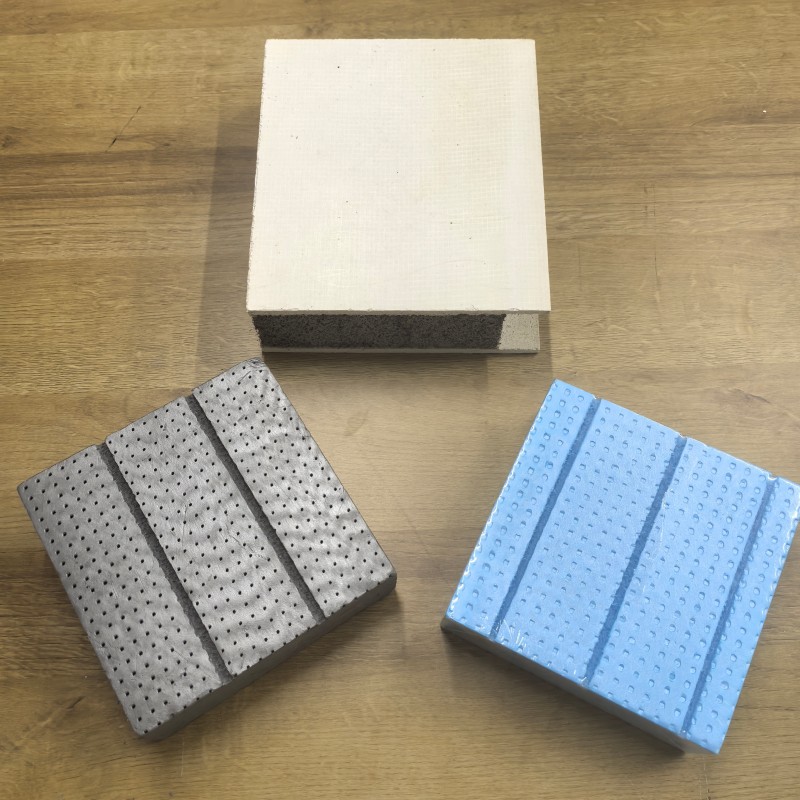 Environmental Building Board
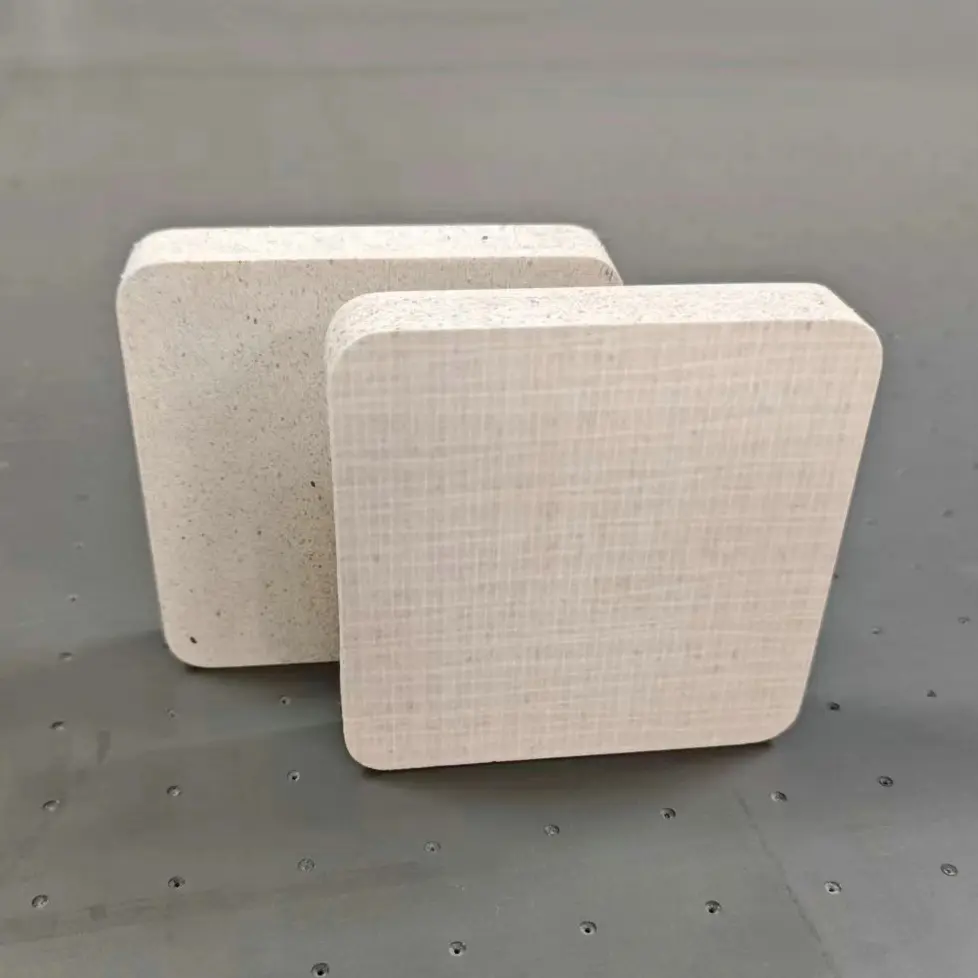 Fire-proof Board
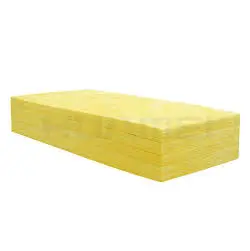 Sound Resistance
 Termite Resistance