10 Essential Tips for Using Thermal-Insulating Glass Wool Effectively?
Thermal-Insulating Glass Wool is a remarkable material widely used in construction and insulation projects. Its excellent thermal properties help to enhance energy efficiency in buildings. However, using this material effectively requires a good understanding of its characteristics and applications.
Many struggle with proper installation techniques. Proper installation is crucial for achieving maximum insulation benefits. Mistakes can lead to energy loss and reduced performance. It’s essential to pay attention to details, such as ensuring proper sealing.
Understanding its limitations is also vital. While Thermal-Insulating Glass Wool performs well, it may not be suitable for every environment. Factors like moisture exposure can affect its performance. Thus, a thoughtful approach is required to maximize its benefits.
Understanding Thermal-Insulating Glass Wool and Its Benefits
Thermal-insulating glass wool is an innovative material that provides significant energy efficiency in buildings. It is made of fine glass fibers, which help to reduce heat loss in colder climates and keep spaces cooler in warmer temperatures. According to a study published by the U.S. Department of Energy, buildings insulated with glass wool can save up to 30% on energy costs. This makes it a valuable resource for both new constructions and renovations.
Using thermal-insulating glass wool effectively requires careful consideration of installation practices. Gaps or poorly fitted sections can lead to thermal bridges, diminishing the material's potential benefits. Additionally, this insulation method has a sound absorption rating of around 50-70%, making it ideal for spaces that require acoustical comfort. However, potential users should be aware of the installation challenges, including the need for protective gear due to airborne fibers, which can pose inhalation risks during application.
Quality control is crucial. Some contractors may not utilize the recommended techniques, leading to underperformance. Regular inspections during installation can remedy this. Standard maintenance practices can improve durability. In some cases, moisture damage has been reported, affecting insulation performance. Users should ensure proper moisture barriers are in place. By addressing these challenges, the full benefits of thermal-insulating glass wool can be realized.
Selecting the Right Type of Thermal-Insulating Glass Wool for Your Project
When selecting the right type of thermal-insulating glass wool for your project, consider the R-value. This value measures thermal resistance. Higher R-values indicate better insulation performance. According to the Department of Energy, fiber insulation materials can have R-values ranging from 2.9 to 4.3 per inch. Understanding these numbers is crucial for effective insulation.
Assess your project's specific needs. Are you working in a colder climate? If so, opt for glass wool with a higher R-value. This choice will help reduce heating costs significantly. A study by the Oak Ridge National Laboratory suggests that enhancing insulation can lead to energy savings of up to 20% annually.
Here are a few tips: Always check the density of the wool. Higher density materials tend to provide better soundproofing and thermal insulation. Also, ensure proper installation; even the best materials underperform if not installed correctly. Consider the environmental impact too. Look for products with low VOC emissions for a healthier indoor environment. Balancing these factors leads to better long-term performance in insulation projects.
Best Practices for Installation of Thermal-Insulating Glass Wool
When installing thermal-insulating glass wool, attention to detail is crucial. Begin by ensuring that the surface is clean and dry. Dust or moisture can reduce adhesion and efficiency. Cut the glass wool to fit snugly into cavities. Gaps can lead to energy loss.
Consider using protective gear while handling the material. Glass wool can irritate skin and respiratory systems. Keep your workspace organized to avoid accidents. Safety should never be compromised.
It's beneficial to install the insulation in layers for improved performance. This can enhance thermal barriers, making your space more energy-efficient. Always use appropriate fasteners to secure the material firmly. Remember, improper installation can lead to significant thermal leakage. Reflect on your techniques often to ensure you are maximizing effectiveness.
Maintenance Tips for Longevity of Thermal-Insulating Glass Wool
Thermal-insulating glass wool is an excellent material for energy efficiency, but proper maintenance is crucial. To ensure its longevity, perform regular checks for any signs of wear or damage. Look for signs of moisture accumulation, which can significantly reduce insulation performance. Keeping the installation area dry and well-ventilated helps prevent mold and decay.
Quick Tip: Inspect the wool at least twice a year. Trim away any damaged or wet sections promptly. This avoids bigger issues down the line.
Another important aspect is to avoid compressing the wool. Compression reduces its insulating properties. Be careful when handling and installing; gentle placement is key. If wool becomes compressed, it may not recover its shape.
Quick Tip: Ensure that the installation environment is not overly humid. Consider using dehumidifiers if necessary. Regularly cleaning dust and debris from surfaces around the glass wool also promotes its effectiveness.
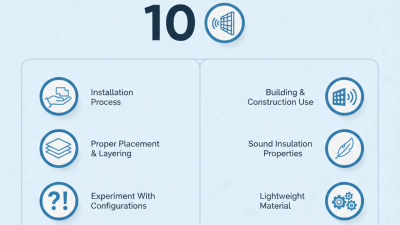
10 Essential Tips for Using Thermal-Insulating Glass Wool Effectively
| Tip No. |
Tip Description |
Benefits |
Maintenance Frequency |
| 1 |
Ensure Proper Installation |
Maximizes insulation efficiency |
Initial Installation |
| 2 |
Regular Inspections |
Identifies damages early |
Every 6 Months |
| 3 |
Dusting and Cleaning |
Prevents build-up that affects performance |
Monthly |
| 4 |
Avoiding Water Damage |
Maintains structural integrity |
Ongoing |
| 5 |
Using Vapor Barriers |
Enhances insulation performance |
With Installation |
| 6 |
Air Sealing |
Prevents heat loss |
Annually |
| 7 |
Temperature Regulation |
Improves comfort levels |
Monitor Regularly |
| 8 |
Use Protective Covers |
Extends life of material |
As Needed |
| 9 |
Repairing Minor Damages |
Maintains insulation efficiency |
As Soon as Detected |
| 10 |
Follow Manufacturer Guidelines |
Ensures optimal performance |
Always |
Common Mistakes to Avoid When Using Thermal-Insulating Glass Wool
When using thermal-insulating glass wool, avoiding common mistakes is crucial for optimal performance.
One significant oversight is not wearing protective gear.
Glass wool fibers can irritate skin and lungs. Always use gloves, masks, and goggles.
This ensures your safety and comfort during installation.
Another frequent error involves improper installation. Ensuring a tight fit between the glass wool and surrounding structures is essential.
Gaps can reduce insulation effectiveness.
Take time to measure accurately and cut the material to size. Using a staple or adhesive might help create an airtight seal.
Tip: Always check local building codes. They may have specific guidelines on insulation materials and installation methods.
This helps ensure compliance and optimizes performance. Additionally, refreshing your knowledge on insulation techniques can yield better results.
Mistakes can lead to wasted materials and more energy consumption.
Carefully plan your project to avoid these pitfalls. Remember, the goal is to enhance thermal effectiveness while promoting a safe work environment.



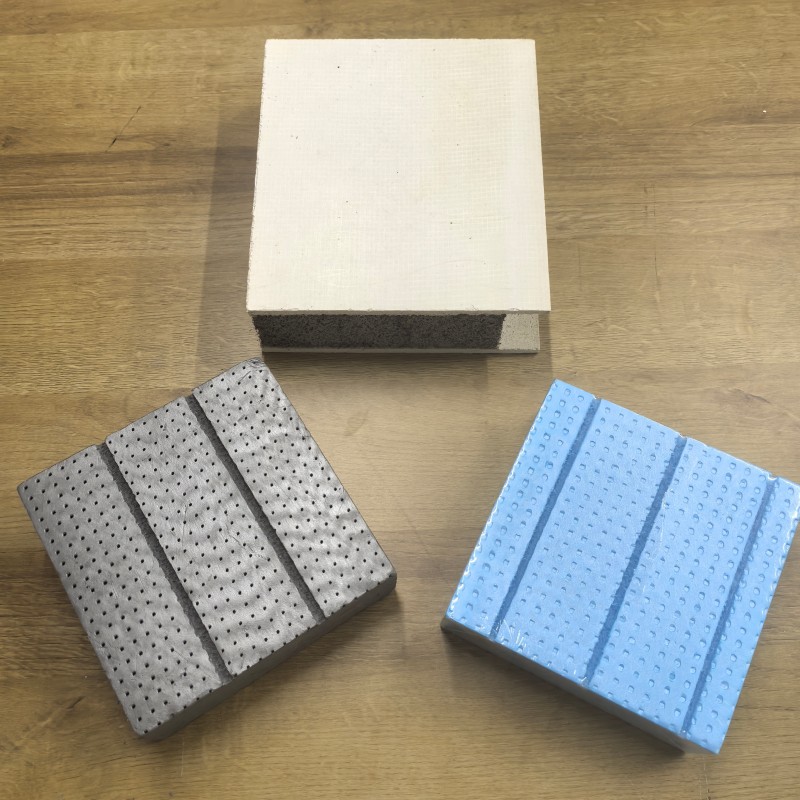 Environmental Building Board
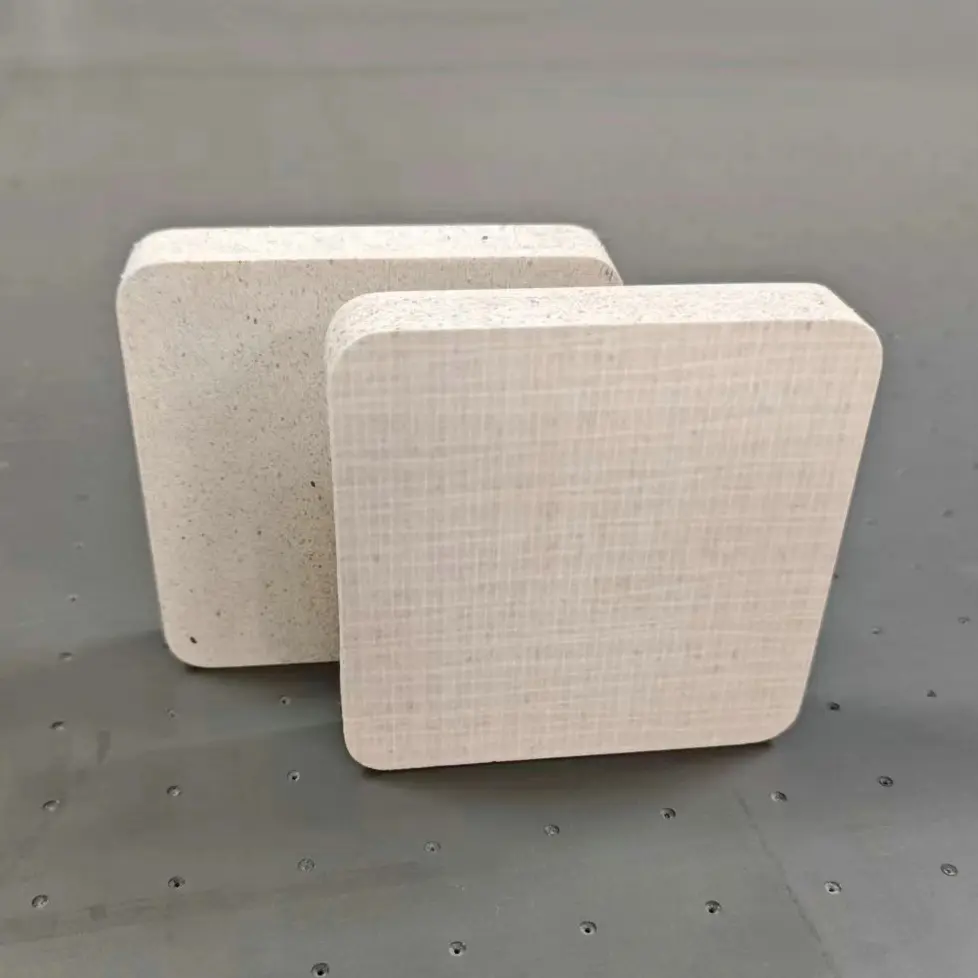 Fire-proof Board
 Sound Resistance
 Termite Resistance