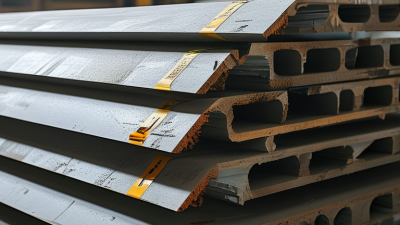
How to Choose Exterior Cladding Panels?
Choosing Exterior Cladding Panels is not only a question of color, texture, or price. The right system must manage rain, wind, sunlight, heat, and daily movement. It should also suit the building’s structure, location, maintenance plan, and installation skills. A panel that performs well in a dry climate may fail quickly beside a coastal shoreline.
Building scientist Joseph Lstiburek offers a useful warning: “If you don’t understand building science, you don’t understand buildings.” His point applies directly to cladding selection. A beautiful panel cannot compensate for poor drainage, missing ventilation, incorrect fasteners, or an unsuitable substrate. Look behind the surface. Check the water-resistive barrier, cavity depth, flashing details, joints, and fire-performance documentation. These hidden layers often decide whether an exterior remains durable after years of storms and temperature changes.
Real projects also reveal uncomfortable details. Some panels look impressive in a showroom but show scratches, fading, or dirt more clearly on a large south-facing wall. Installation errors happen. Product literature can be confusing. Even experienced contractors must verify local requirements and manufacturer instructions before work begins. Compare fiber cement, metal, stone veneer, high-pressure laminate, and composite options by tested performance, not appearance alone. Ask for project references, maintenance records, warranty limits, and independent certifications. A sensible choice may not be the cheapest or most fashionable one. It is the panel system that matches the building’s exposure, budget, and long-term responsibilities. Small details matter.
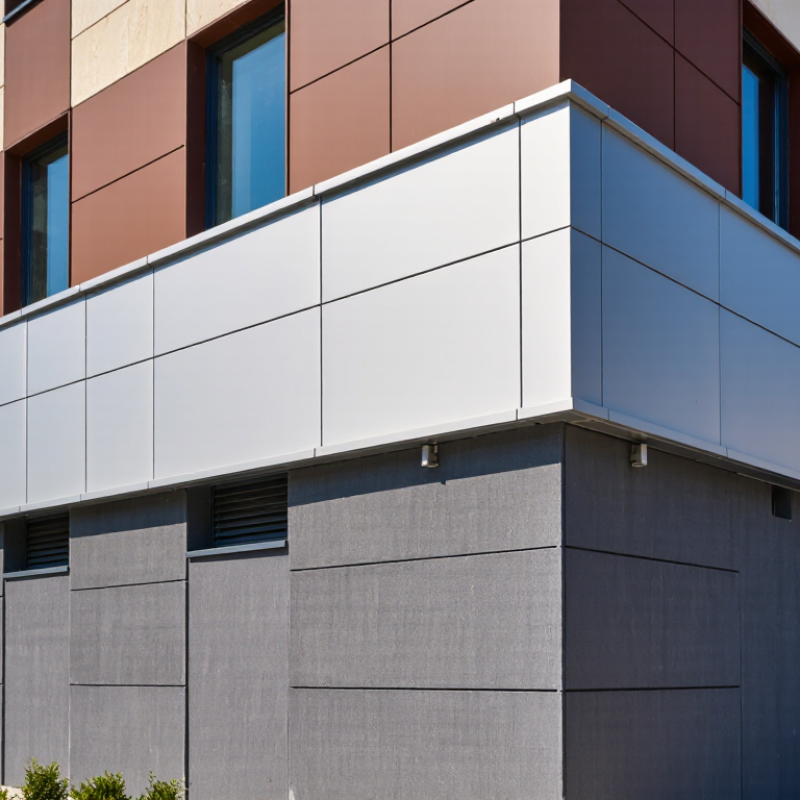
What Exterior Cladding Panels Are and What They Do
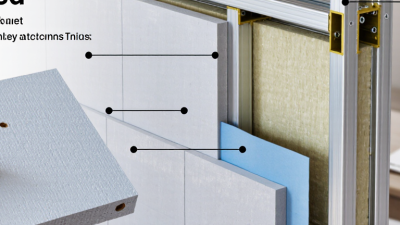
Exterior cladding panels are the building’s outer skin. They attach to a wall assembly, not merely to exposed framing. Their main duties include shedding rain, resisting wind, controlling sunlight, and protecting insulation. Some systems also create a ventilated cavity behind the panels. This space helps drainage and drying.
The United Nations Environment Programme reported that buildings and construction consumed 34% of global energy in 2022. They also produced about 37% of energy and process-related carbon emissions. Cladding cannot solve that problem alone. However, correctly selected panels can support continuous insulation and reduce thermal bridging. Performance depends on the complete wall system, including membranes, joints, anchors, and insulation.
Choose panels according to climate, exposure, fire performance, impact risk, and maintenance access. A coastal building may need stronger corrosion resistance. A high-rise project needs verified wind-load performance. Check test reports, installation tolerances, and fire classifications before approval. ASTM and EN test methods can help compare water, air, and structural performance.
A common site mistake is treating appearance as performance. It is not. Dark panels can increase surface temperatures, while poorly detailed joints may admit water. Small gaps matter. The best choice balances durability, repairability, carbon impact, and cost. No panel performs well when the supporting details are wrong. That part is easy to overlook.
How to Choose Exterior Cladding Panels? What Exterior Cladding Panels Are and What They Do
Exterior cladding panels form a protective and visual layer around a building. The chart compares representative panel thicknesses commonly used in exterior applications. Thickness is only one selection factor; weather resistance, fire performance, weight, insulation, installation method, maintenance, and local building requirements should also be evaluated.
Which Cladding Materials and Panel Types to Compare
How to Choose Exterior Cladding Panels?
Choosing exterior cladding begins with comparing materials, not attractive colors. Metal panels offer clean lines, low weight, and efficient installation. Fiber cement provides a textured appearance and strong resistance to weather exposure. Terracotta creates depth and lasting color, but it usually needs stronger support and careful detailing. High-pressure laminate can suit modern façades, although moisture protection must be checked closely.
Panel type also affects performance. Solid panels are durable, yet they may transfer more heat indoors. Insulated sandwich panels improve thermal control and speed up installation. Rainscreen panels create a ventilated cavity behind the façade, helping manage trapped moisture. Cassette systems can produce precise joints, but poor alignment becomes obvious in direct sunlight. I once focused too much on appearance and underestimated corner details. That was a costly lesson.
Tips: Compare fire classifications, wind-load data, impact resistance, and cleaning requirements. Request tested installation details, not only product samples. Check how fasteners, joints, and openings handle rainwater. A pale surface may hide dust less effectively than expected. Review the full lifecycle cost, including support frames, labor, repairs, and replacement access. Local climate matters. Coastal air, freezing temperatures, and strong sunlight can change the best choice. Discuss the design with a qualified façade professional and confirm compliance with current local building requirements.
How to Evaluate Performance, Appearance, Cost, and Maintenance
How to Choose Exterior Cladding Panels?
How to Evaluate Performance, Appearance, Cost, and Maintenance
Exterior cladding should protect the building before it impresses visitors. In practice, I compare panels by water resistance, impact strength, fire performance, and thermal movement. Ask for tested data, not attractive claims. Check the drainage design behind the panels, too. Even excellent cladding can fail when water has nowhere to escape. Wind exposure, local weather, and installation height also change the right specification.
Appearance deserves careful judgment. View full-size samples outdoors, not only under showroom lighting. Texture, joint spacing, and color can look different across a large wall. Dark finishes may show dust, scratches, and fading more clearly. Cost is more than the panel price. Include framing, fasteners, labor, access equipment, repairs, and expected replacement cycles. A cheaper system may become expensive when installation takes longer than planned. I have seen budgets fail because maintenance access was treated as an afterthought.
Tips: Request recent project references and inspect older installations. Compare at least three written quotations. Read cleaning instructions before approval. Ask what happens when one damaged panel needs replacement. Keep a small spare-stock allowance, although storing too much material can be wasteful. Review fire and moisture documentation with a qualified professional. Do not rely on visual appeal alone. A minor mismatch between drawings and site conditions can create major problems, and that risk is easy to underestimate.



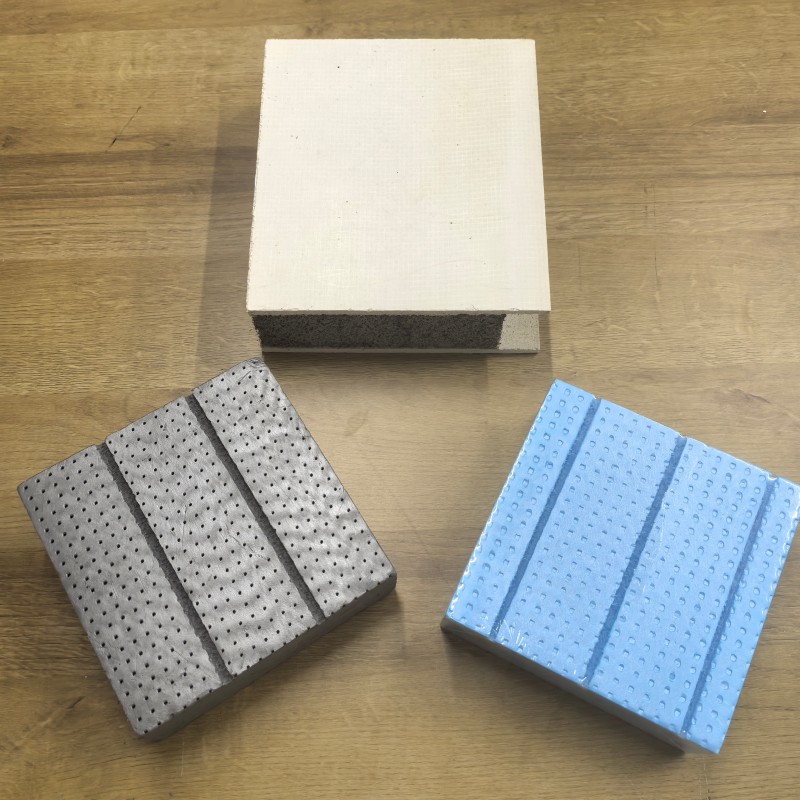 Environmental Building Board
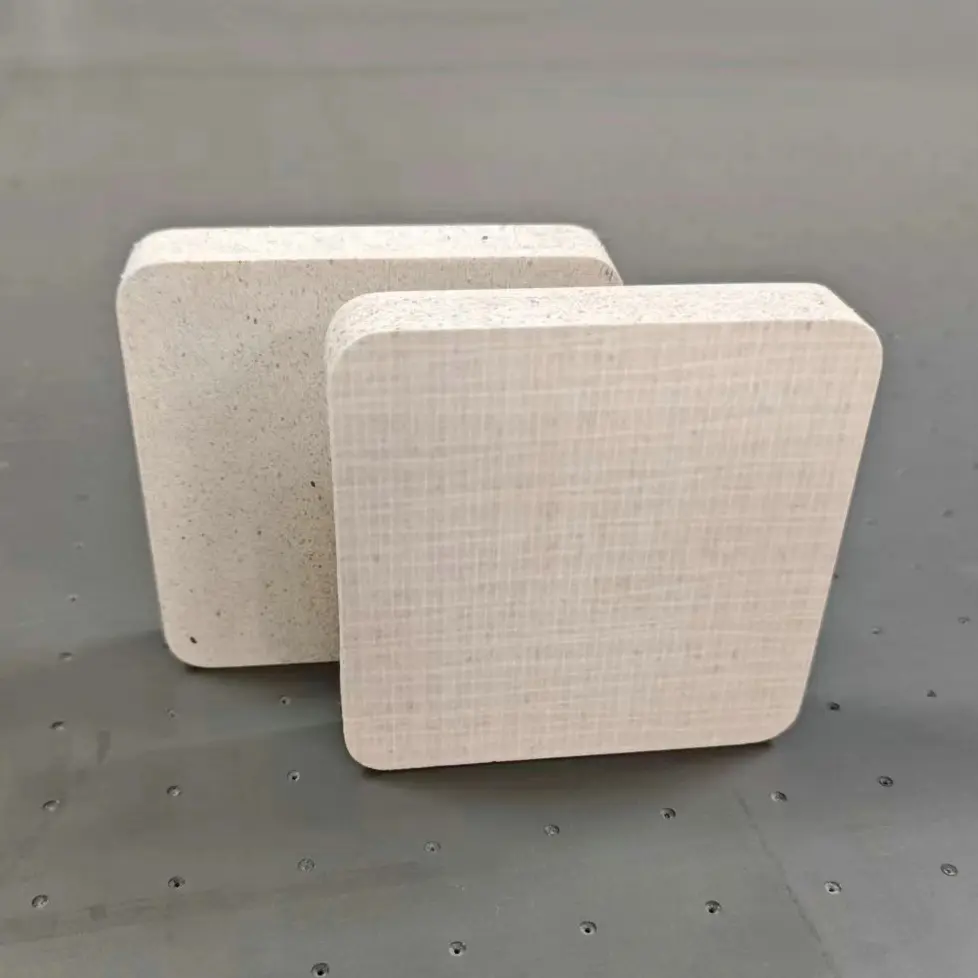 Fire-proof Board
 Sound Resistance
 Termite Resistance