What are the Benefits of Using a Protective Board?
In today’s fast-paced industrial world, the importance of a Protective Board cannot be overstated. Expert John Matthews, a leader in safety and compliance, emphasizes, "Protective Boards are essential for safeguarding both products and personnel." This statement highlights the critical role these boards play in enhancing safety in various environments.
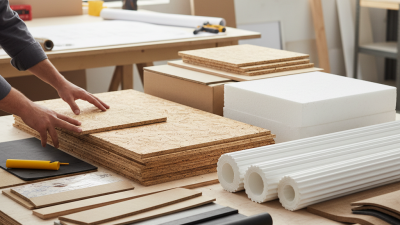
A Protective Board serves multiple purposes. It offers physical barriers against impact and damage. These boards are crucial for protecting sensitive equipment and ensuring worker safety. Industries such as manufacturing and construction rely heavily on their effectiveness. However, the effectiveness of a Protective Board greatly depends on its material and design. Choosing the right type can sometimes be overlooked, leading to potential risks.
Moreover, the implementation of a Protective Board isn’t always as straightforward as it seems. Companies often face challenges in installation and maintenance. There can be gaps in understanding how to use them optimally. Therefore, ongoing training and assessment are necessary. This ensures that the boards fulfill their intended role effectively.
Benefits of Using a Protective Board in Various Environments
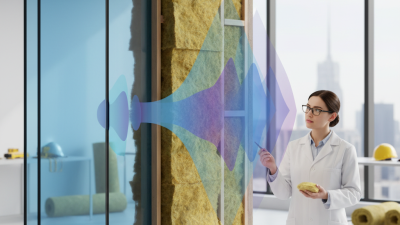
In various environments, protective boards offer essential benefits that enhance safety and efficiency. In industrial settings, they shield floors and walls from heavy machinery and equipment impacts. This reduces maintenance costs and helps maintain a clean workspace. In office environments, these boards can provide sound absorption, creating a quieter atmosphere for employees.
Educational spaces can also see significant advantages. Protective boards can be used in classrooms to allow for interactive learning experiences. They can be marked on, wiped clean, and reused, promoting sustainability. Additionally, in healthcare facilities, these boards aid in maintaining hygiene by being easy to disinfect.
While the benefits are clear, there are challenges. Choosing the right material can be complex. Not all boards suit every environment. This necessitates careful consideration and expert advice. Beyond that, the installation process can be disruptive. Ensuring proper installation is crucial for maximizing benefits. Balancing these aspects can lead to a more effective use of protective boards.
What are the Benefits of Using a Protective Board? - Benefits of Using a Protective Board in Various Environments
| Environment |
Key Benefits |
Material Type |
Durability |
Cost-effectiveness |
| Construction Site |
Prevents damage to surfaces |
Plywood |
High |
Moderate |
| Manufacturing Plant |
Reduces wear and tear on machinery |
Plastic |
High |
High |
| Retail Store |
Protects merchandise from impact |
Cardboard |
Medium |
Low |
| Event Venues |
Maintains cleanliness and aesthetics |
Rubber |
Very High |
Moderate |
| Residential Areas |
Provides additional safety for children and pets |
Fiberboard |
High |
Moderate |
Enhancing Safety: How Protective Boards Minimize Risks
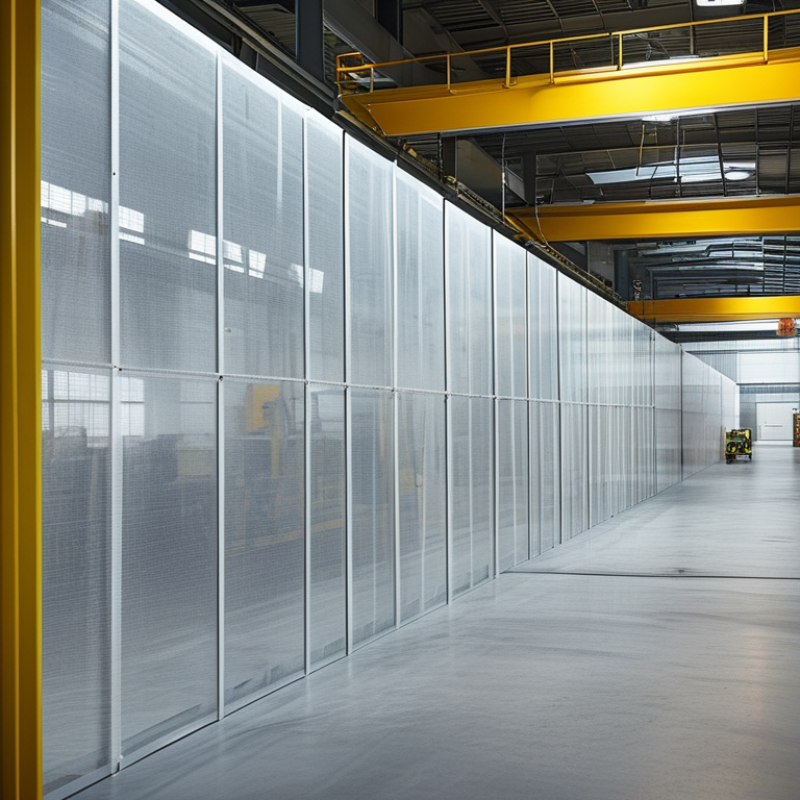
Protective boards serve as a crucial barrier in various environments. They help minimize risks associated with physical hazards. Whether in construction sites or industrial settings, these boards provide added safety. They can absorb impacts and prevent injury. A well-placed protective board can halt a falling object, safeguarding workers below.
Using protective boards also improves workspace organization. They define boundaries and designate hazardous areas. This clarity reduces accidental entry into dangerous zones. Moreover, the visual cues from these boards increase awareness. Workers can stay vigilant and avoid potential hazards.
However, the effectiveness of protective boards can depend on their quality and placement. A poorly installed board may not offer adequate protection. Regular inspections and maintenance are essential. Companies should reflect on their safety protocols frequently. Continuous evaluation improves overall workplace safety and fosters a culture of vigilance.
Durability and Longevity: The Impact of Protective Boards on Surfaces
Protective boards serve as a crucial barrier for various surfaces. They absorb impacts and prevent scratches, making them essential for maintaining aesthetics. Industry studies show that surfaces protected by these boards can last up to 30% longer than unprotected ones. This enhanced durability significantly reduces the need for repairs.
In environments like warehouses or eateries, the wear and tear on surfaces can be substantial. Protective boards are designed to withstand heavy use. Data indicates that in commercial settings, surfaces treated with protective materials require 50% fewer maintenance interventions. However, it’s important to note that not all protective boards offer the same level of durability. Some may wear out faster than anticipated, leading to potential reevaluation of the materials used. The evolution of protective technology continues to raise questions about optimal use.
There are various factors influencing the effectiveness of protective boards. Environmental conditions, surface types, and frequency of use all play a role. The industry remains divided on the best materials. Some studies suggest advanced composite boards provide superior longevity, while others emphasize cost-effectiveness over performance. Users must reflect on their specific needs and the application scenarios for maximum benefits.
Benefits of Using a Protective Board
Cost-Effectiveness: Long-Term Savings from Protective Board Usage
Using a protective board can significantly enhance cost-effectiveness in various industries. According to the
National Institute of Standards and Technology (NIST), companies could save up to
25% on maintenance costs by implementing protective solutions. This can include boards that prevent damage to floors and
walls in high-traffic areas. When you consider the frequent need for repairs, the savings quickly add up.
Additionally, a report from the International Facility Management Association (IFMA) highlights that businesses that utilize protective boards often experience
fewer disruptions. Reduced downtime can lead to increased productivity, which further contributes to long-term savings. Companies might overlook these tangible benefits.
However, proper planning and investment in protective materials can yield substantial returns over time.
While the initial purchase may seem like a financial burden, it’s important to weigh this against potential future costs. A simple scratch can lead to significant restoration fees.
Proper protective measures shield against these unexpected expenditures. Neglecting this aspect can be a costly oversight. Failing to prioritize such protection may compromise
long-term financial health.
Versatility of Protective Boards in Different Applications
Protective boards are highly versatile, finding applications in numerous industries. From construction sites to manufacturing floors, these boards provide significant benefits. In the construction sector alone, research indicates that using protective boards can help reduce accidents by up to 30%. They shield surfaces from damage, ensuring longevity and maintaining aesthetic appeal.
In manufacturing, protective boards serve as barriers against spills and impacts. Studies show that using these boards can lead to a 15% decrease in equipment maintenance costs. This reduction is crucial for companies looking to maximize profitability. Tips for effective use include selecting the right material based on the environment. For example, use moisture-resistant boards in humid conditions.
While protective boards offer many advantages, improper installation or selection can lead to ineffective protection. It's essential to evaluate specific needs before choosing a board. If the board is too thin for heavy equipment, it can fail to serve its purpose. Regular assessments of both board conditions and applications can enhance their effectiveness.



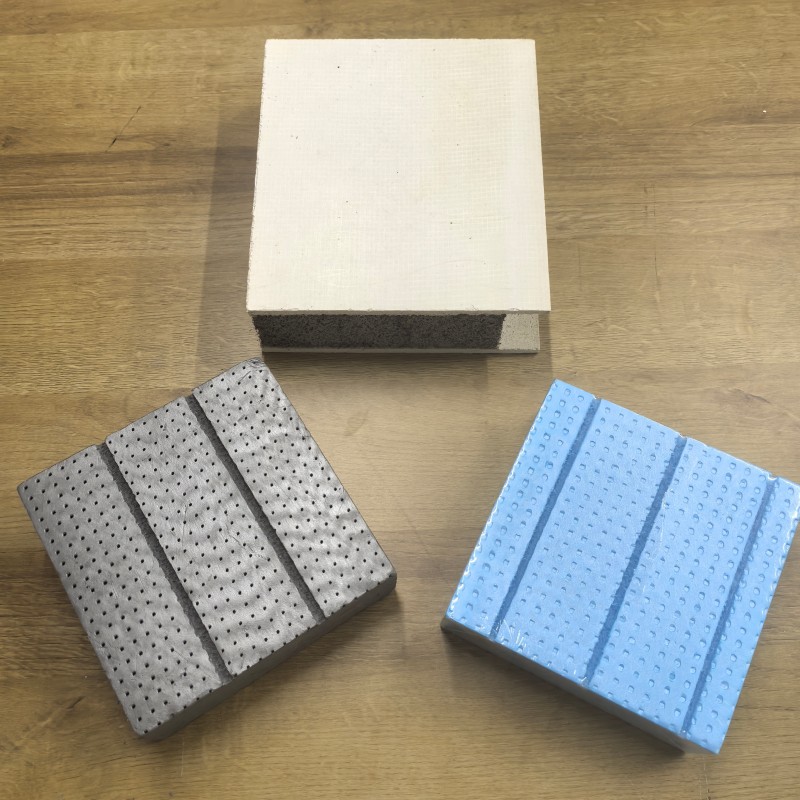 Environmental Building Board
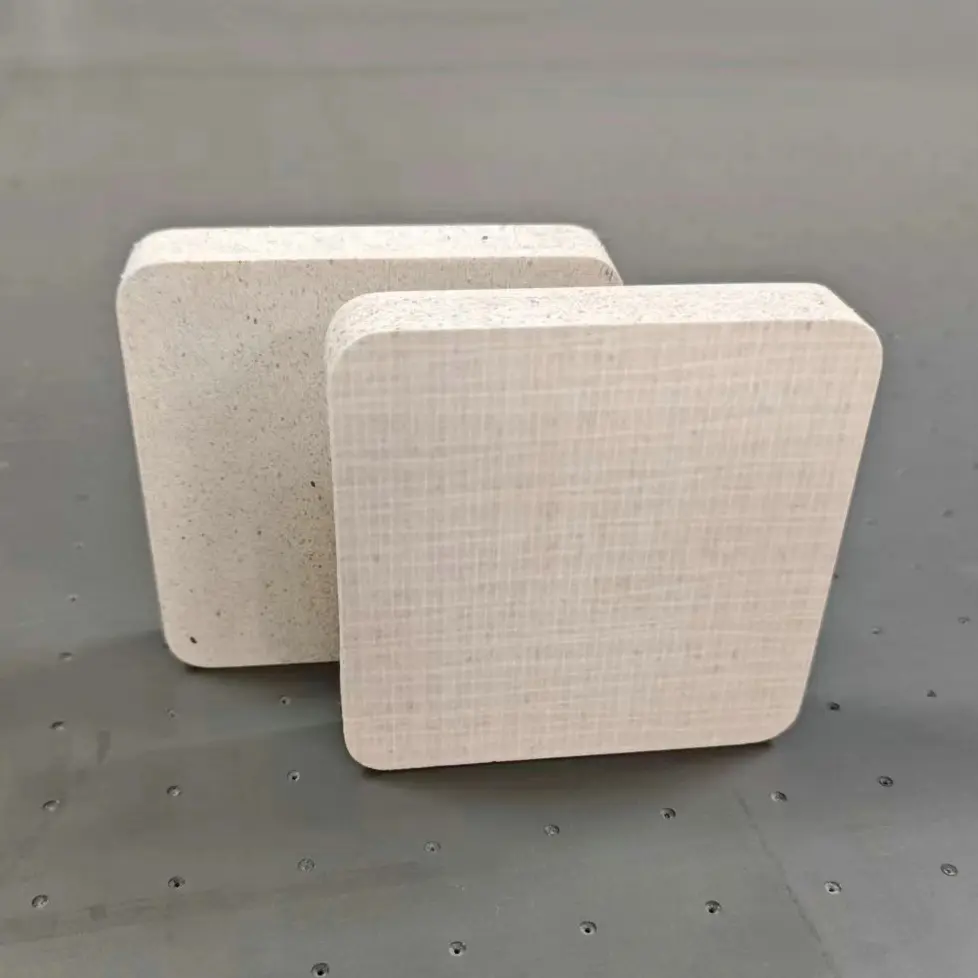 Fire-proof Board
 Sound Resistance
 Termite Resistance