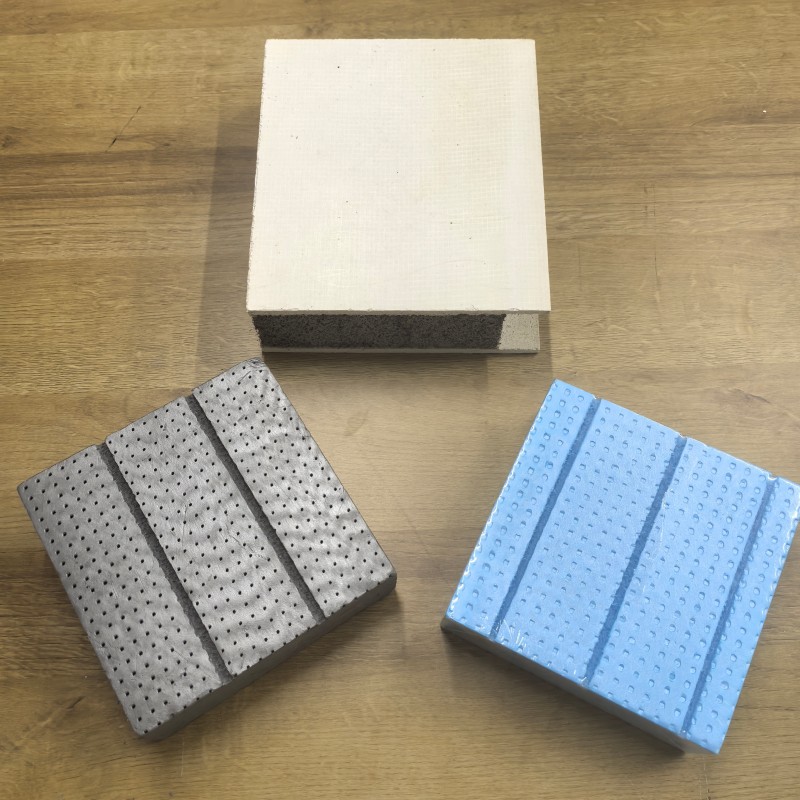
Choosing the right Moisture-Proof Cement Fiber Board is not a matter of picking the thickest panel. It requires practical judgment, verified specifications, and attention to the building’s real exposure. Bathrooms, exterior walls, basements, and ventilated façades face different moisture risks. A board that performs well behind a shower may not suit a rain-screen system. Small details matter. Think about water absorption, dimensional stability, density, edge strength, fire behavior, and compatibility with adhesives or coatings. Also examine the manufacturer’s installation instructions, test reports, and warranty conditions. Marketing language alone is not enough.
Building-envelope expert Joseph Lstiburek has repeatedly emphasized, “Water is the most destructive force in buildings.” That warning explains why moisture resistance should be evaluated as part of a complete wall system. Sealed joints, suitable fasteners, drainage paths, and correct ventilation can matter as much as the board itself. Experienced installers often inspect cut edges and penetrations carefully, because these areas can allow hidden water entry. They also consider transport and storage. A damp panel stored flat may create problems before installation begins.
No product choice is perfect. Even skilled teams can overlook condensation, poor flashing, or incompatible finishes. This guide will compare important board properties, project conditions, supplier evidence, and installation requirements. It will also identify common selection mistakes. Be skeptical of unclear claims. Ask for measurable data. Then match the panel to the actual environment, not an idealized specification sheet.
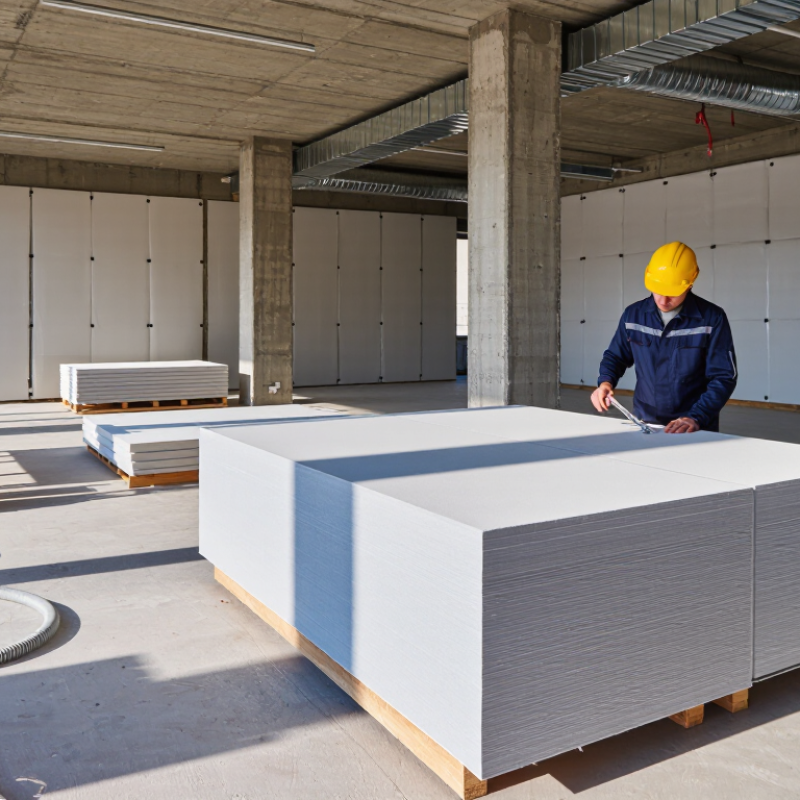
Understanding Moisture-Proof Cement Fiber Board
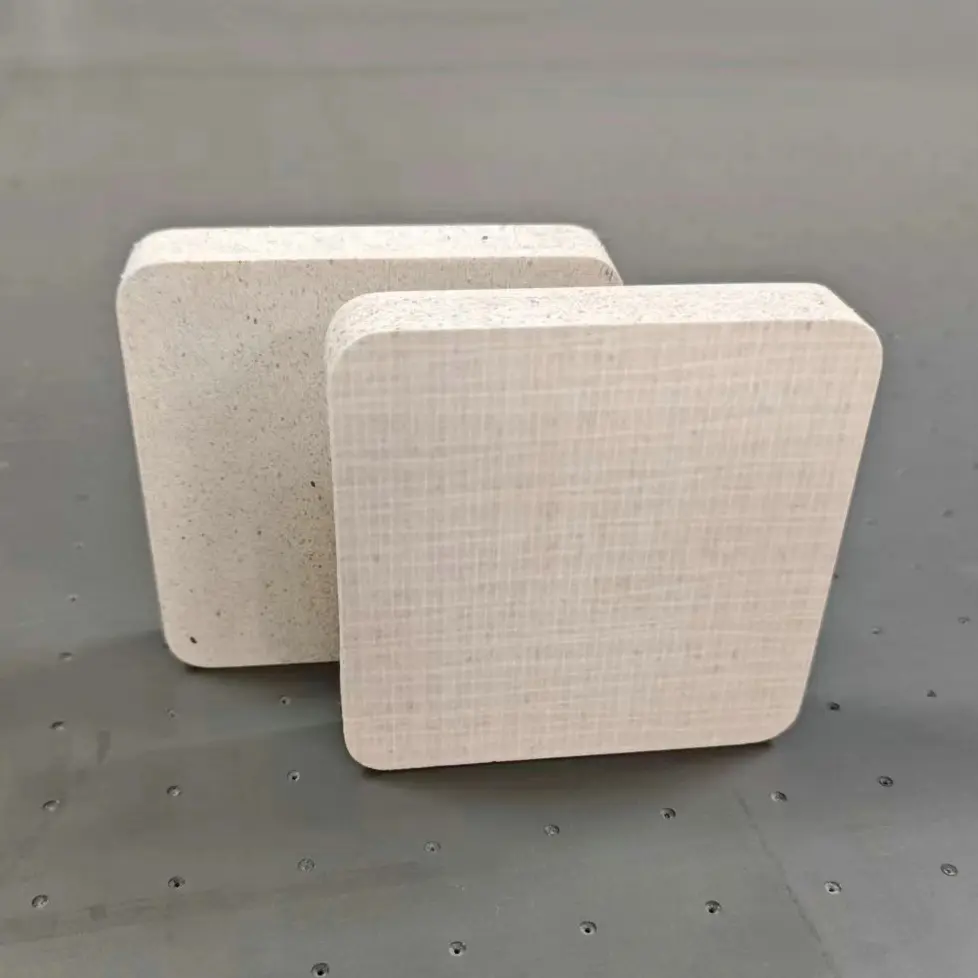
Moisture-proof cement fiber board combines cement, cellulose fibers, and mineral fillers. It resists swelling better than ordinary gypsum board. However, moisture resistance is not complete waterproofing. Continuous water exposure can still damage edges, joints, and fasteners.
In renovation inspections, I check the board’s density, thickness, edge condition, and test documentation. A dense panel usually feels firm and cuts with less crumbling. For bathrooms, laundry rooms, and semi-outdoor walls, choose a board rated for high humidity. Confirm its water absorption data, fire performance, and installation requirements. A good board cannot correct poor sealing. That part is often underestimated.
Tips: Seal cut edges before installation. Keep panels raised from wet floors. Leave suitable movement gaps. Use corrosion-resistant screws. Check joints carefully, especially around pipes and corners. Storage matters too; flat, dry support prevents warped sheets. I once saw a strong panel fail because water entered through an unsealed opening. The material was blamed first, but the detail was wrong. Ask for independent test reports when possible. Ratings can differ between regions, so read the actual standard, not only the sales description.

How to Choose Moisture Proof Cement Fiber Board
Identifying key material and performance requirements starts with the board’s composition. Look for Portland cement, refined cellulose fibers, mineral fillers, and controlled-density processing. ASTM C1186 and ISO 8336 provide recognized requirements for fiber-cement flat sheets, including dimensional stability, bending strength, and durability. Do not accept “waterproof” as a complete specification. Cement fiber board resists moisture; it does not replace membranes, sealants, or correct drainage.
Check water absorption, thickness swelling, wet flexural strength, and freeze-thaw performance. These figures matter more than a smooth sample surface. EN 12467 separates boards by application and durability conditions, helping buyers compare products consistently. Ask for third-party laboratory results, test methods, specimen conditioning, and production dates. A report without test details proves little. That is easy to overlook.
Installation conditions also affect performance. The U.S. Environmental Protection Agency states that mold may begin growing within 24 to 48 hours after water exposure. Store boards flat, raised above concrete, and protected from rain. Leave the specified joint gap around showers, window openings, and service penetrations. Cut edges need compatible sealing where the installation guide requires it. In practice, I have seen a strong board fail because water entered through an unsealed screw hole. The material was not the only problem. Check the whole moisture path.
| Selection Dimension | What to Check | Practical Requirement | Evidence to Request |
|---|---|---|---|
| Intended application | Whether the board is specified for interior, exterior, or wet-area use. | Choose a board whose declared application and installation instructions match the project. A cement-fiber board is moisture-resistant, but should not automatically be treated as a waterproofing layer. | Product data sheet and installation guide that identify approved applications and limitations. |
| Moisture exposure | Expected exposure to splashes, persistent humidity, rain, or direct weather. | For showers and other areas subject to direct water, use a compatible waterproofing membrane and sealed joints where the system requires them. For exterior use, follow the specified weather-resistive barrier, flashing, and drainage details. | Written system details for membranes, joints, penetrations, edge treatment, and drainage. |
| Applicable standard | Whether the board is tested or classified under a standard relevant to its intended use. | Look for applicable standards such as ASTM C1186 for flat fiber-cement sheets or EN 12467 for fiber-cement flat sheets. Confirm the stated edition, product type, and classification suit the project and local requirements. | Current test reports, certificate, or declaration identifying the standard and scope of assessment. |
| Water absorption and dimensional change | Test method, reported results, and behavior after wetting and drying. | Compare results only when the test method and conditions are comparable. There is no single universal absorption limit that applies to every board, thickness, standard, and application. | Test report stating the method, conditioning, sample details, and results. |
| Thickness and dimensions | Board thickness, length and width tolerances, and edge profile. | Select a thickness and format that meet the substrate, framing, fastening, and finish-system requirements. Confirm that tolerances are suitable for the planned joint layout. | Published dimensional tolerances and installation specifications. |
| Mechanical performance | Flexural strength, handling strength, and support requirements. | Check that the board is suitable for the planned span, support spacing, and finish. Do not infer structural capacity from moisture resistance alone. | Declared mechanical properties and a fixing or support schedule for the intended installation. |
| Fasteners and joints | Approved fastener type, corrosion resistance, spacing, joint treatment, and edge distance. | Use the specified fasteners and joint system. Exterior or frequently damp locations may require corrosion-resistant components suitable for the exposure. | Manufacturer-neutral installation details or project specifications listing compatible components and fixing patterns. |
| Cutting and dust control | Cutting instructions and occupational-health precautions. | Follow the product safety information and use suitable dust-control measures, ventilation, and personal protective equipment during cutting and handling. | Safety data and written cutting, handling, and cleanup instructions. |
| Quality consistency | Batch identification, storage condition, and visible damage or distortion. | Inspect boards on delivery. Keep them flat, dry, and protected from damage in accordance with the supplier’s storage instructions before installation. | Batch or lot identification, delivery inspection record, and storage guidance. |
Selection note: Specify the complete wall or floor assembly, not just the board. Waterproofing, joints, fasteners, framing, flashing, and workmanship all contribute to moisture performance.
Choosing a cement fiber board starts with identifying the moisture source. Interior walls, wet rooms, balconies, and exterior cladding need different performance levels. Standard boards suit dry spaces, but they may swell after repeated water exposure. Moisture-resistant boards contain tighter formulations and usually show lower water absorption. Exterior-grade boards often provide stronger edges and better freeze-thaw durability. No board is completely waterproof.
Check the technical sheet carefully. Thickness affects stiffness, impact resistance, and handling. Common interior applications may use thinner panels, while ceilings and exterior walls often require thicker sheets. Compare water absorption, thickness swelling, density, bending strength, and dimensional stability. A low absorption rate is useful, but it does not replace proper sealing. Test results should state the method and exposure conditions. Vague claims deserve questions.
From installation experience, panel joints cause many failures. Leave the specified movement gap, protect cut edges, and use compatible sealants. Keep boards raised from standing water during storage. A board can perform well in a laboratory, yet fail beside a leaking window. I have also seen installers choose higher density panels without checking weight or fixing capacity. That choice creates unnecessary labor. Review the substrate, ventilation, drainage, and maintenance plan before ordering. Small details matter.
Choosing moisture-proof cement fiber board starts with the installation environment, not the board itself. A dry-looking wall can still retain moisture behind its surface. Check for leaks, condensation, poor drainage, and limited ventilation. Indoor areas should be clean and reasonably stable before installation. Exterior applications need protection from direct rain during cutting, fixing, and curing.
Test the substrate. It should be firm, flat, and free from dust, oil, and loose coatings. Do not rush. Uneven framing can transfer stress into the board and create cracked joints. Confirm the recommended stud spacing, board thickness, screw type, and edge distances in the technical data. Fasteners should resist corrosion, especially in bathrooms, kitchens, balconies, and coastal locations.
Compatibility also deserves close attention. Confirm that sealants, tile adhesives, primers, coatings, and joint compounds are approved for cement-based boards. Some products bond well on paper-faced panels but fail on dense cement surfaces. Leave suitable movement gaps around corners, floors, ceilings, and service penetrations. Small gaps matter. Allow the board to adjust to site conditions when required, but keep it protected from standing water.
On one project, the wall seemed ready because the room felt dry. Later, trapped moisture appeared near an unventilated corner. The mistake was trusting appearance instead of measuring conditions. Recheck moisture levels, surface temperature, and ventilation before closing the wall. Local building requirements may also change the acceptable installation method.
Installation-condition and compatibility screening for common interior and semi-exterior applications
The practical screening index combines moisture exposure, substrate suitability, ventilation requirements, fastening practicality, and expected service conditions. Higher scores indicate a more favorable installation environment for moisture-proof cement fiber board. Wet areas still require sealed joints, compatible fasteners, adequate ventilation, and compliance with local installation standards.
When choosing moisture proof cement fiber board, inspect more than the product label. Ask for water absorption, thickness tolerance, density, and fire performance data. A reliable board should remain stable after repeated wetting and drying. Check the edges closely. Clean, solid edges suggest controlled manufacturing, while crumbling corners may indicate poor curing.
Supplier reliability matters just as much as board performance. Request recent laboratory reports, technical data sheets, and installation guidance. Confirm whether the documents match the exact board grade and thickness you plan to buy. A dependable supplier explains storage conditions, cutting methods, fixing distances, and protective equipment without avoiding difficult questions. Factory photographs, production details, and traceable batch numbers can also support credibility. Be careful with unusually low prices. They may exclude testing, packaging, or proper moisture protection during transport.
Before placing a large order, obtain samples from the same production line if possible. Store one sample in a damp area and compare its weight, surface hardness, and edge condition after several days. This simple check cannot replace certified testing, but it can reveal careless handling. I have found that product descriptions often sound stronger than the actual evidence. That is worth remembering. Ask how the supplier handles damaged boards, delayed shipments, and inconsistent batches. Written answers are better than friendly promises. For exterior or humid applications, discuss local climate, joint treatment, ventilation, and maintenance with a qualified installer before approving the final specification.