2026 How to Choose the Best Sound Absorbing Glass Wool?
Choosing the right sound-absorbing glass wool can be challenging. According to Dr. Emily Johnson, a leading expert in acoustic materials, "The effectiveness of sound-absorbing glass wool depends on its density and thickness." This advice underscores the importance of understanding your specific needs before making a selection.
Sound-absorbing glass wool is essential for creating quiet spaces in both residential and commercial settings. Its unique composition helps reduce noise levels significantly. Yet, not all glass wool offers the same level of sound absorption. Factors like material properties and installation techniques play critical roles.
Many users struggle with misconceptions about sound-absorbing materials. They might consider price over performance, leading to unsatisfactory results. Investing in high-quality sound-absorbing glass wool may initially seem costly, but it pays off in durability and effectiveness. As you navigate options, keep in mind Dr. Johnson's insights and focus on long-term benefits.
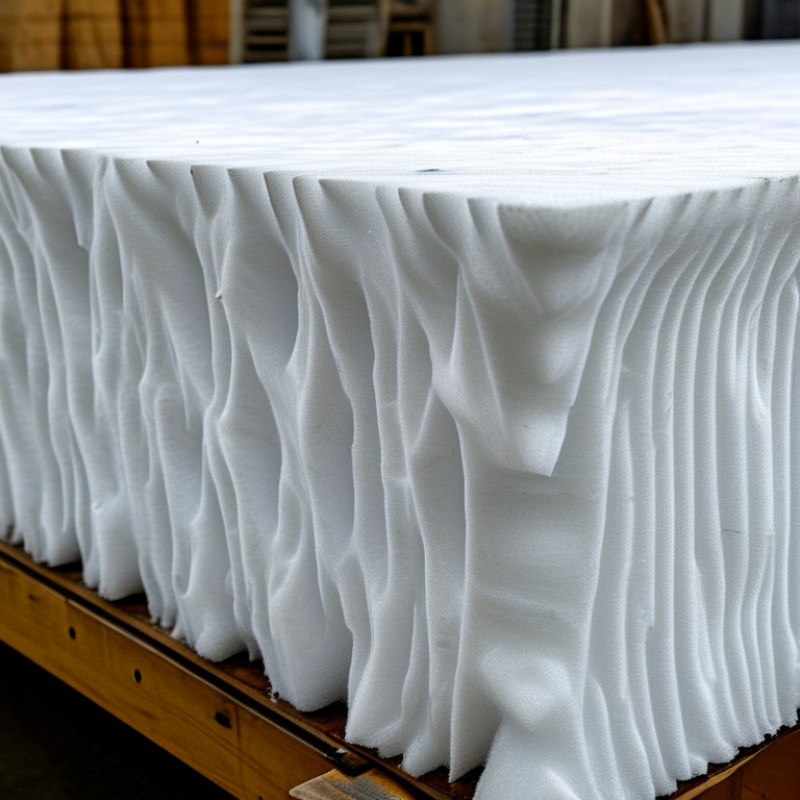
Understanding Sound Absorption Properties of Glass Wool
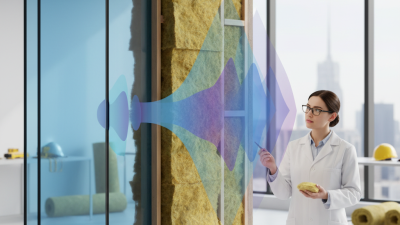
When evaluating the sound absorption properties of glass wool, several factors come into play. Key data shows that glass wool can achieve Noise Reduction Coefficients (NRC) of up to 1.0, indicating complete sound absorption at certain frequencies. This makes it a favored choice in commercial and industrial settings. The density and thickness of the glass wool directly influence its ability to absorb sound. Thicker and denser options tend to offer better performance.
Another essential aspect is the frequency range. Glass wool performs well in mid-to-high frequency sounds, often above 500 Hz, but its effectiveness diminishes at lower frequencies. This limitation raises questions about its applicability in environments with varying sound levels. According to the ASTM E413 standards, specific designs may require supplementary sound absorption materials for optimal performance.
Installation plays a crucial role too. Poor placement can diminish the material’s efficiency significantly. It is essential to consider wall types, room dimensions, and overall design before installation. Conducting a thorough analysis can prevent wasted resources. Recognizing these potential pitfalls can help inform better choices in selecting sound-absorbing materials that suit specific needs.
Evaluating the Density and Thickness of Glass Wool Panels
Choosing the best sound-absorbing glass wool requires careful evaluation of its density and thickness. These factors greatly influence its effectiveness in soundproofing. Higher density glass wool absorbs sound better than lower density options. This means that when selecting glass wool, consider its specific purpose. Are you aiming for quiet in a home studio or reducing noise in an office environment?
Thickness also plays a critical role. Thicker panels provide greater sound insulation. However, they can be bulky and may not fit in all spaces. It’s essential to balance between effective sound absorption and practical installation. Measure your space carefully to determine the right thickness without compromising aesthetics.
Tip: Always review the specifications before making a purchase. Look for panels with a thickness that meets your needs while maintaining a sleek look. Testing samples can yield insights that guide your choice. Also, consider the user reviews. This can help you understand how others have fared with different densities and thicknesses. Making an informed decision requires reflecting on your specific needs and the space you have.
Considering Thermal Insulation Alongside Sound Absorption
When selecting sound-absorbing glass wool, thermal insulation should not be overlooked. Effective sound absorption is often linked with thermal properties. High-quality glass wool can achieve a noise reduction coefficient (NRC) of up to 0.95. This means it can absorb nearly all sound frequencies, but it also provides excellent thermal insulation, which is crucial in energy-efficient buildings.
Research indicates that buildings lose approximately 30% of their heat through uninsulated walls. Glass wool can help minimize this heat loss, contributing to better energy efficiency. For instance, 50 mm thick glass wool has an R-value of around 3.0 m²K/W, which indicates good thermal resistance. This shows that while noise control is important, ensuring buildings remain energy-efficient is equally essential.
Yet, challenges remain. Over time, glass wool may settle, reducing its effectiveness as a sound barrier and insulator. Regular assessments are necessary to maintain optimal performance. It's also crucial to consider moisture control. If glass wool becomes damp, its sound absorption and thermal properties can diminish significantly. Balancing these factors can enhance overall building comfort and performance.
Comparing Different Brands and Their Performance Ratings
Choosing the right sound-absorbing glass wool can greatly impact acoustic performance in any space. It's essential to compare different brands based on performance ratings. Look for materials that offer high NRC (Noise Reduction Coefficient) values. Brands with better NRC ratings typically provide enhanced sound absorption, crucial for environments like recording studios or home theaters.
In evaluating performance, consider aspects like density and thickness. Thicker, denser glass wool often absorbs sound more effectively. User reviews can be a valuable resource. They often reveal practical experiences, shedding light on durability and overall satisfaction. However, not all testimonials are unbiased. Always arming yourself with a critical mindset helps in making informed choices.
Be aware that not every brand suits every need. Sometimes, perceived quality does not match actual performance. It can be tempting to pick the most popular option. However, assessing your specific acoustic needs is more important. Take time to research and reflect on what features are essential for your project.
Installation Techniques for Optimal Sound Absorption Efficiency
When it comes to installing sound-absorbing glass wool, proper techniques are crucial for maximizing efficiency. Begin by assessing the space. Identify areas where sound waves dwell and cause disruption. Effective installation requires precise measurements. Ensure each panel fits snugly in the designated space. Gaps can greatly diminish sound absorption performance. Using a high-density wool can enhance results. The denser material absorbs a wider range of frequencies.
Cutting the glass wool with care is essential. Avoid rough edges that waste material. A clean and accurate cut allows for a better fit. Installation can be messy, so wear gloves and a mask for safety. Consider layering the material. Two or three layers can provide extra soundproofing. Proper compression is key—too tight or too loose affects absorption.
Finally, securing the panels with the right adhesive is vital. An ineffective adhesive may cause panels to fall over time. Regular maintenance is also important. Check for wear and tear, and replace deteriorated sections as needed. Reflecting on the installation process can lead to improvements in future projects. Don't shy away from revisiting your original methods; learning from installation challenges is part of the process.
2026 How to Choose the Best Sound Absorbing Glass Wool? - Installation Techniques for Optimal Sound Absorption Efficiency
| Property |
Specifications |
Installation Technique |
Optimal Use Case |
| Thickness |
50mm, 100mm |
Ensure tight fit between panels |
Recording Studios |
| Density |
40 kg/m³, 60 kg/m³ |
Use adhesive to secure panels |
Home Theaters |
| Sound Absorption Coefficient |
0.8 - 1.0 (varies with frequency) |
Install at reflective surfaces |
Conference Rooms |
| Fire Rating |
Class A |
Follow manufacturer’s guidelines |
Public Spaces |
| Moisture Resistance |
Yes |
Use vapor barriers in high humidity areas |
Basements |



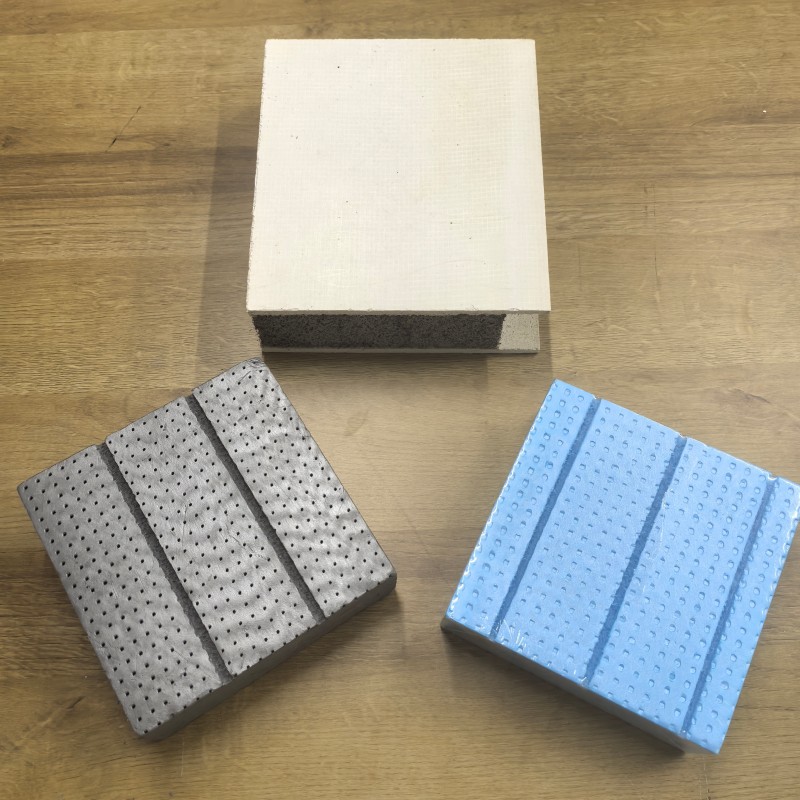 Environmental Building Board
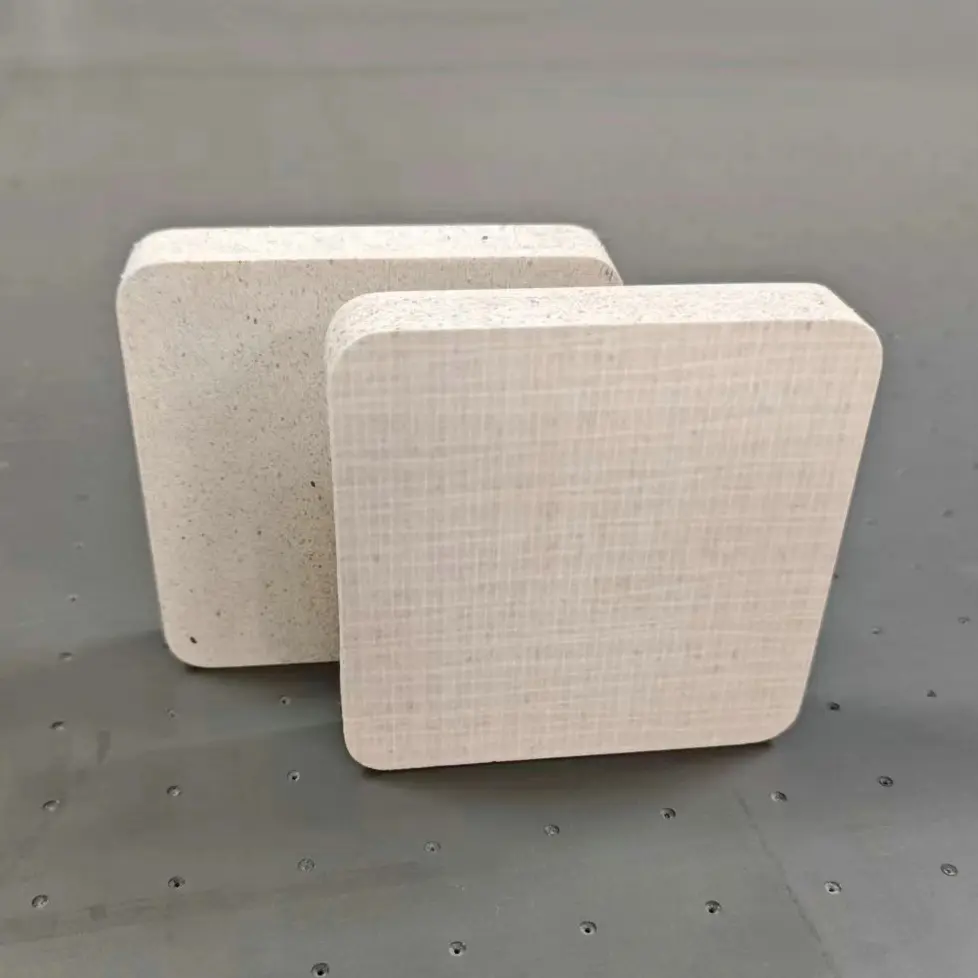 Fire-proof Board
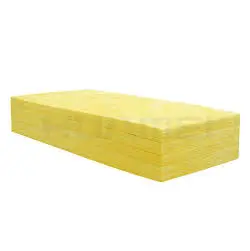 Sound Resistance
 Termite Resistance