How to Choose Non-Toxic Boards for Safe Construction?
In recent years, the construction industry has seen a significant shift towards safer materials. Homeowners and builders alike are becoming more aware of the health impacts of toxic substances. One important consideration is the use of Non-Toxic Boards. Choosing these materials can greatly enhance indoor air quality and safety.
Non-Toxic Boards are crafted without harmful chemicals. They help reduce risks associated with traditional materials, which may contain formaldehyde or other pollutants. This choice reflects a growing commitment to health-focused construction practices. However, not all boards labeled as "non-toxic" are truly safe. It's essential to research manufacturers and their product claims thoroughly.
Selecting Non-Toxic Boards requires careful consideration and informed decision-making. Always look for certifications that validate safety claims. It's easy to get overwhelmed by marketing terms and technical jargon. Take the time to understand what truly qualifies as non-toxic. Reflecting on these details can lead to better choices for healthier living spaces. Prioritizing safety benefits everyone involved in the construction process.
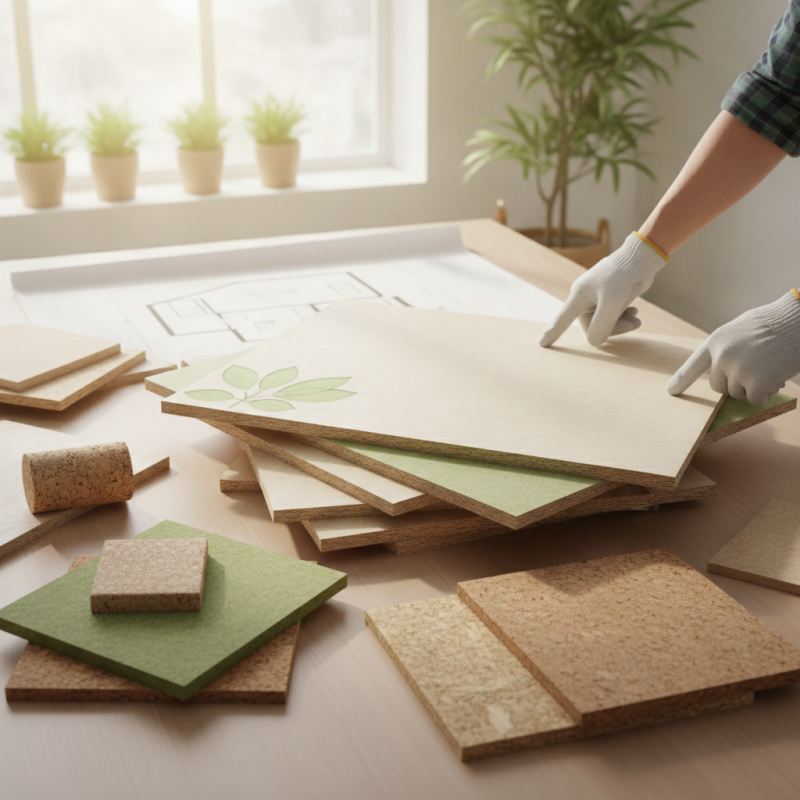
Understanding Non-Toxic Materials in Construction: An Overview
Non-toxic materials play a crucial role in safe construction. When building or renovating, it's essential to consider the impacts of every material. Many conventional materials contain harmful chemicals that can affect indoor air quality and overall health. Using non-toxic boards ensures a safer environment for occupants.
Common non-toxic options include bamboo, reclaimed wood, and MDF made from recycled materials. Bamboo grows quickly and is renewable, reducing ecological impact. Reclaimed wood not only adds character but also minimizes waste. Seeking certifications can help identify truly non-toxic options.
However, not all products labeled as non-toxic meet strict standards. Researching materials is vital. Often, manufacturers may use misleading terms. It's crucial to verify claims and prioritize transparency. The process may feel overwhelming, but the health benefits far outweigh the challenges. Consider the long-term effects on both your space and well-being.
Identifying Harmful Substances in Common Building Boards
When selecting building boards, awareness of harmful substances is crucial. Many common materials contain hazardous chemicals, which can affect indoor air quality. For example, formaldehyde is often found in particle boards and MDF. This compound can off-gas, leading to respiratory issues and other health concerns. Look for boards labeled as low-formaldehyde or formaldehyde-free, but always read the fine print.
Another substance to watch for is asbestos. This mineral fiber was used in some older boards for insulation and fire resistance. If your project involves renovating an old building, be cautious. Always conduct a risk assessment before starting work. It’s essential to hire professionals for safe removal if asbestos is present.
Beyond these substances, plastics and adhesives in some boards may also pose risks. VOCs, or volatile organic compounds, can emit harmful chemicals over time. Choose boards made from natural materials or those specifically designed for low VOC emissions. Gathering information on board composition can promote a safer environment. Being informed is the first step towards ensuring a healthier space for occupants.
Evaluating Certifications for Non-Toxic Building Products
When selecting non-toxic boards for construction, certifications play a crucial role. Reliable certifications indicate that products meet safety standards. Look for labels like GreenGuard or the Forest Stewardship Council. These certifications help ensure that the materials you use are free from harmful chemicals.
Tips: Always check for third-party testing. A certified product may still have hidden risks. Transparency is key. Seek out manufacturers that provide detailed information about their sourcing and production methods.
Evaluating certifications requires diligence. Not all labels guarantee safety. Some may be misleading. Research each certification to understand its credibility. Take time to read product data sheets and safety information. The more informed you are, the better choices you will make.
Tips: Consider reaching out to suppliers with queries. A knowledgeable supplier will offer clarity on their products. Don't hesitate to ask about the testing processes for their boards. Knowing the background helps ensure a safer environment for your building project.
Comparing Cost and Performance of Non-Toxic vs. Traditional Boards
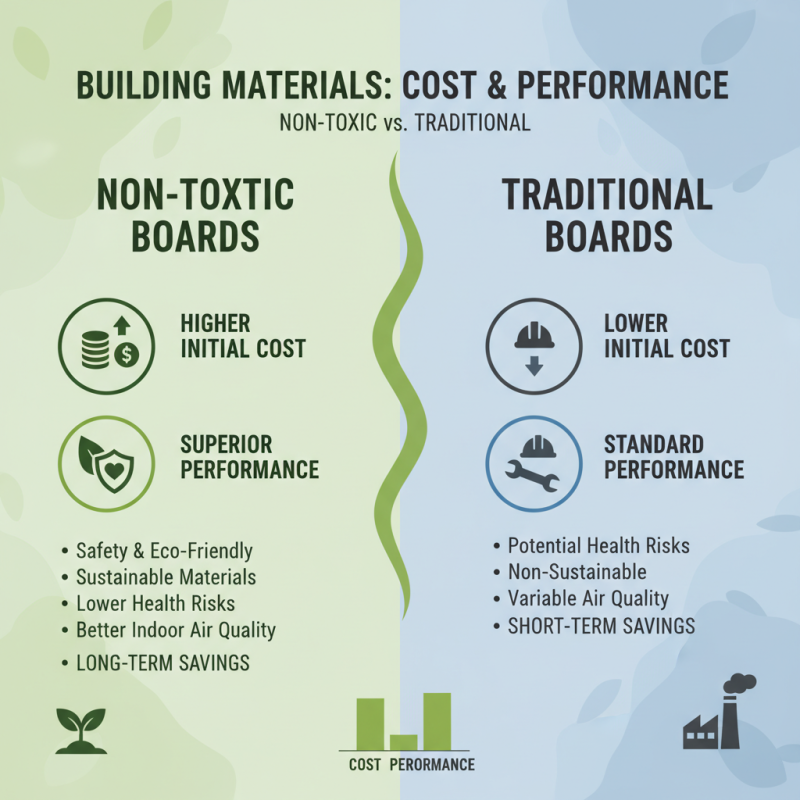
When considering non-toxic boards for construction, cost and performance are crucial factors. Non-toxic materials often come with a higher price tag compared to traditional options. However, this cost reflects their safety and environmental benefits. Non-toxic boards are made from sustainable materials, which can lead to long-term savings due to lower health risks and better indoor air quality.
Performance-wise, non-toxic boards can match or even exceed traditional ones in durability and versatility. They perform well in various applications. For instance, they offer excellent moisture resistance and thermal insulation. Some users report that these boards can be trickier to work with. Adjusting to their unique properties may take time. It’s important to evaluate these traits against your project needs.
Comparing costs, traditional boards may seem cheaper at first glance. However, consider the potential hidden expenses of health-related issues caused by toxic materials. Over time, the savings from non-toxic boards can offset their initial higher costs. Always weigh both short-term and long-term impacts when making your choice.
Best Practices for Sourcing Non-Toxic Construction Materials
When sourcing non-toxic construction materials, it's crucial to prioritize transparency.
Seek suppliers who provide comprehensive material safety data sheets.
This documentation outlines potential hazards and safe handling procedures. A clear understanding of what goes into your construction project ensures a healthier environment.
Consider the origin of the materials. Materials close to home often have lower carbon footprints and fewer toxins.
Local suppliers may offer options that meet eco-friendly standards while supporting community businesses.
Check for certifications that validate claims of non-toxicity. These certifications can provide peace of mind but should be scrutinized for authenticity.
It’s valuable to stay informed about emerging trends in sustainable materials.
Not all new products are safe, so do your research. Engage with industry experts and attend workshops when possible.
Be wary of terms like “eco-friendly” as they are not always regulated.
Ensuring that your sources align with your health values requires diligence and ongoing reflection.



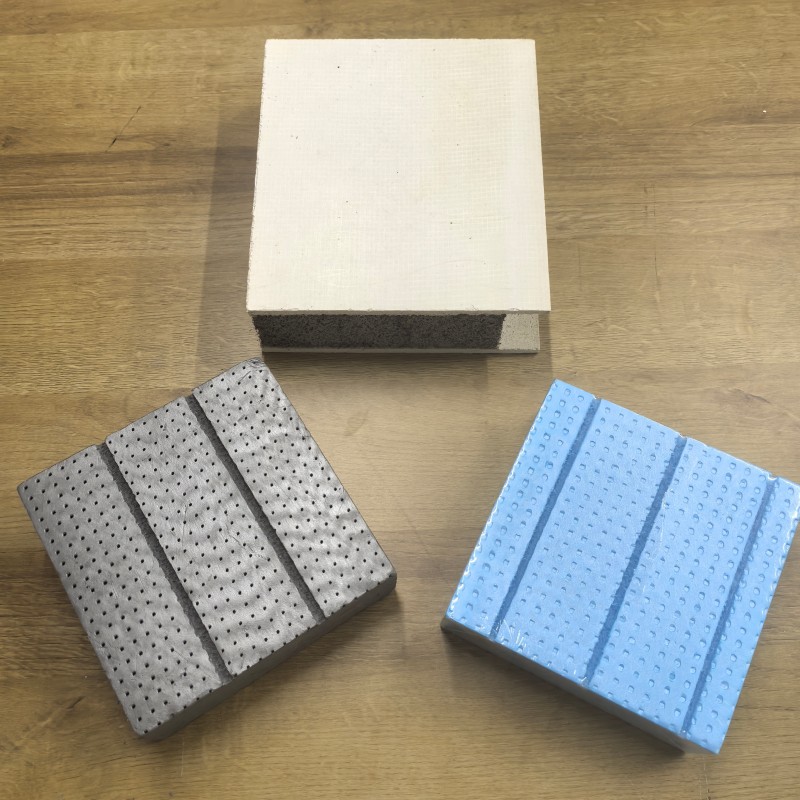 Environmental Building Board
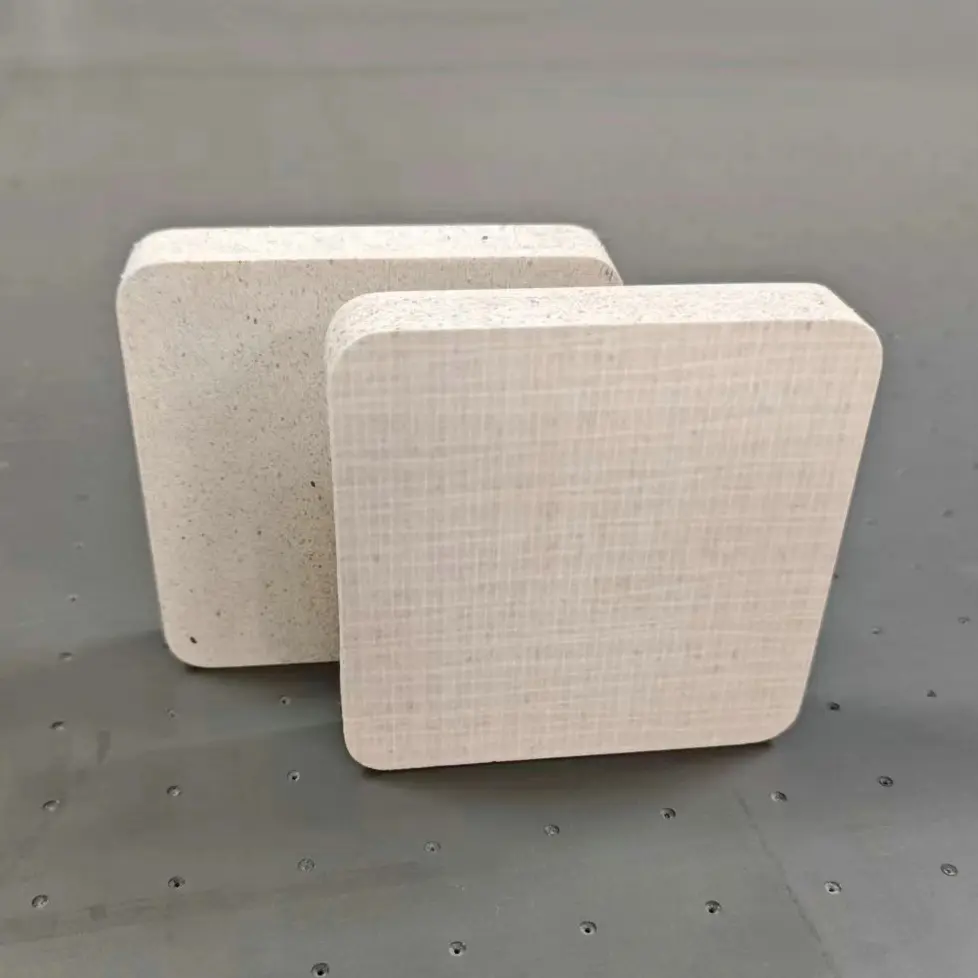 Fire-proof Board
 Sound Resistance
 Termite Resistance