What Makes Glass Wool Board the Best Choice for Insulation?
In the world of insulation materials, "Glass Wool Board" stands out as a top contender. Renowned expert Dr. Emily Hart, a leading figure in thermal insulation research, once stated, "Glass Wool Board provides unparalleled thermal efficiency and sound absorption." This highlights its unique properties.
Glass Wool Board is lightweight yet durable, making it easier to install. Its non-combustible nature ensures safety in building applications. Homeowners and builders alike appreciate its effectiveness in reducing energy costs. Moreover, its eco-friendly materials contribute to a more sustainable option.
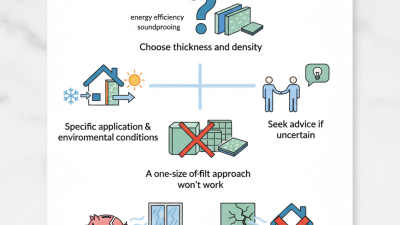
However, challenges exist. Some may find installation tricky without proper guidance. It's essential to ensure that the correct thickness and density are chosen for specific applications. Overall, the advantages of Glass Wool Board clearly outweigh the potential drawbacks, providing a reliable choice for effective insulation.
Definition and Composition of Glass Wool Board
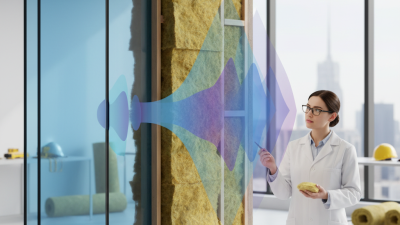
Glass wool board, a popular insulation material, is made from recycled glass. The process involves heating glass until it melts, then spinning it into fine fibers. These fibers are then compressed and formed into boards. This composition provides excellent thermal insulation. The tiny air pockets trapped within the glass fibers help to reduce heat transfer.
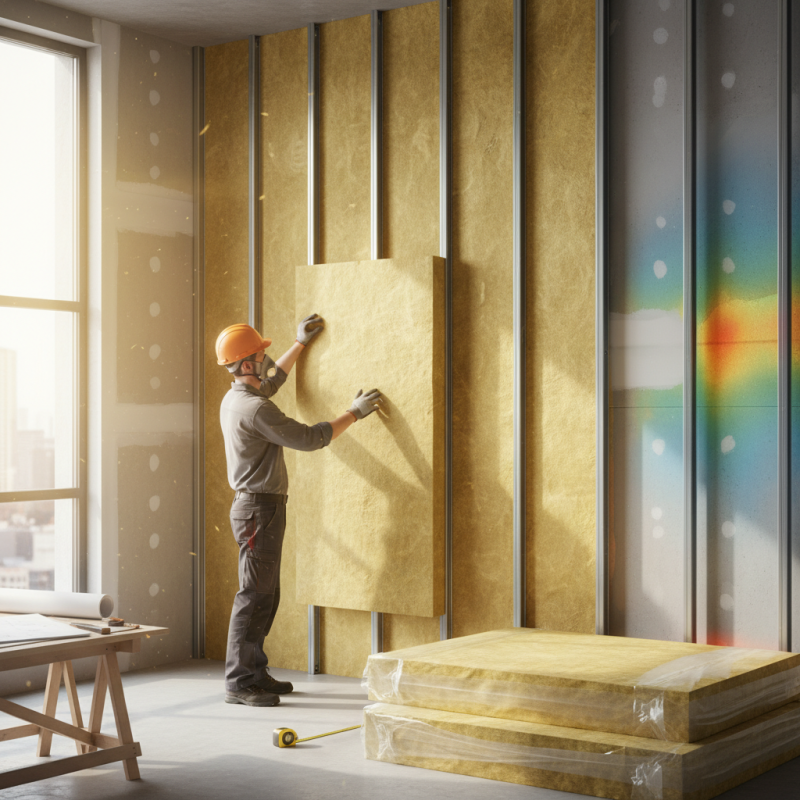
One significant advantage of glass wool is its lightweight nature, making it easy to handle and install. However, not all glass wool boards are created equal; variations in density and thickness can affect performance. It is essential to check the specifications to ensure suitable usage. While glass wool has many benefits, it can sometimes cause irritation when handled improperly. Users should wear gloves and masks during installation to minimize discomfort.
Maintenance and durability also require attention. Over time, exposure to moisture can impact insulation efficiency. Regular inspections and proper sealing can help maintain performance. Understanding the characteristics of glass wool board is crucial. It allows consumers to make informed choices for insulation needs, balancing effectiveness and safety.
Key Properties of Glass Wool Board for Insulation
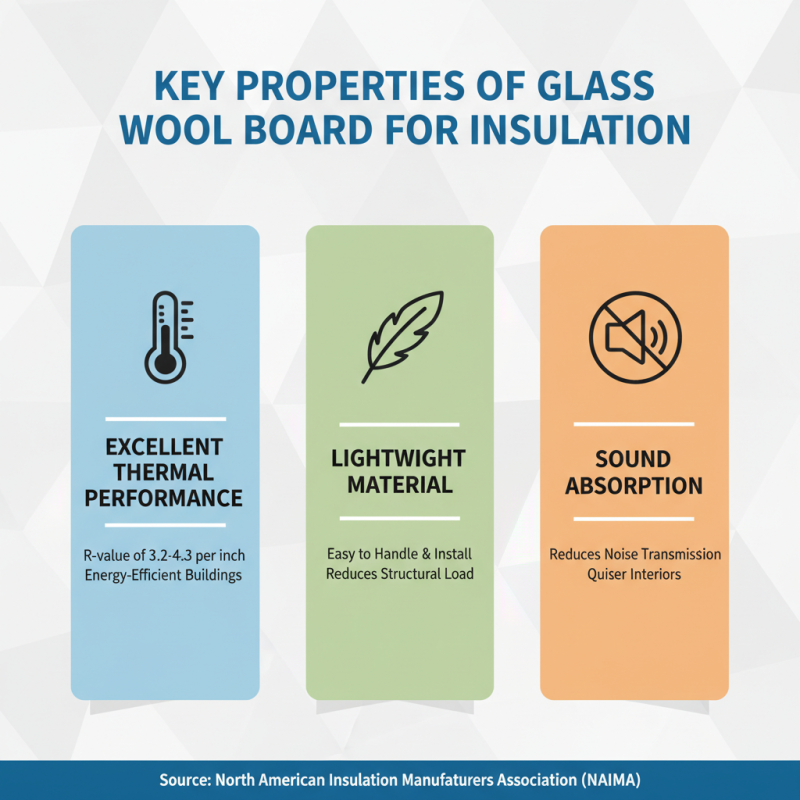
Glass wool board stands out in the insulation market due to its remarkable properties. This lightweight material offers excellent thermal performance. According to a study by the North American Insulation Manufacturers Association, glass wool achieves an R-value of 3.2 to 4.3 per inch of thickness. This makes it a top choice for energy-efficient buildings.
Acoustic insulation is another key feature. Research shows that glass wool provides significant sound absorption, reducing noise levels in commercial and residential spaces. A report by the American Society of Heating, Refrigerating, and Air-Conditioning Engineers indicates that glass wool can reduce sound transmission by up to 90%.
Moreover, glass wool is environmentally friendly. It is made from recycled materials, contributing to sustainability efforts. However, the production process can be energy-intensive. Finding a balance between environmental benefits and production impact is essential. Despite its many advantages, some may question its long-term durability or susceptibility to moisture. Addressing these concerns is vital for broader adoption. Overall, glass wool board is a versatile and reliable choice for insulation, blending efficiency with practicality.
Advantages of Using Glass Wool Board in Construction
Glass wool board is becoming a preferred choice for insulation in modern construction. Its lightweight nature allows for easy handling and installation. The material offers excellent thermal properties, making buildings more energy-efficient. With proper use, glass wool helps maintain comfortable indoor temperatures.
The acoustic performance of glass wool is another key advantage. It effectively reduces noise pollution, ensuring peaceful living and working environments. This feature is particularly important in urban areas or busy commercial spaces. Homeowners and builders can benefit from quieter interiors, enhancing overall comfort.
**Tip:** When selecting glass wool, check for its density. Higher density often means better thermal and acoustic performance.
Another consideration is the fire resistance of glass wool. It is non-combustible, which adds to the safety profile of structures. This characteristic can be crucial during building design, particularly in fire-prone areas. However, ensure proper installation to maintain these safety benefits.
**Tip:** Always follow the manufacturer’s installation guidelines for optimal performance. Inadequate installation may lead to reduced efficiency. Reflecting on the installation process can help uncover potential issues.
Comparison with Other Insulation Materials
When comparing glass wool board to other insulation materials, several key factors emerge. Glass wool board is lightweight yet highly effective at minimizing heat transfer. Its fibrous nature traps air, providing excellent thermal resistance. Other materials, like foam or rigid board, often fall short in this regard. Although initially more expensive, glass wool offers long-term savings through energy efficiency.
It's essential to consider the fire resistance of insulation materials. Glass wool is non-combustible and safe in case of fire. Foam offers some fire resistance but not as robust as glass wool. Furthermore, glass wool maintains its insulation properties over time, whereas foam may degrade, leading to reduced effectiveness.
Tip: Always check for the insulation rating before making a purchase. Higher R-values indicate better insulation performance.
Another aspect to weigh is sustainability. Glass wool board is often made from recycled materials and is recyclable itself. Other common insulation options, such as fiberglass batts, may not have the same environmental benefits.
Tip: Choose materials that have a minimal environmental impact for a more sustainable building approach.
In summary, while glass wool board has its challenges, such as installation requirements, its advantages often outweigh these drawbacks. Understanding these factors allows for informed decisions in insulation selection.
What Makes Glass Wool Board the Best Choice for Insulation?
Installation and Maintenance of Glass Wool Board
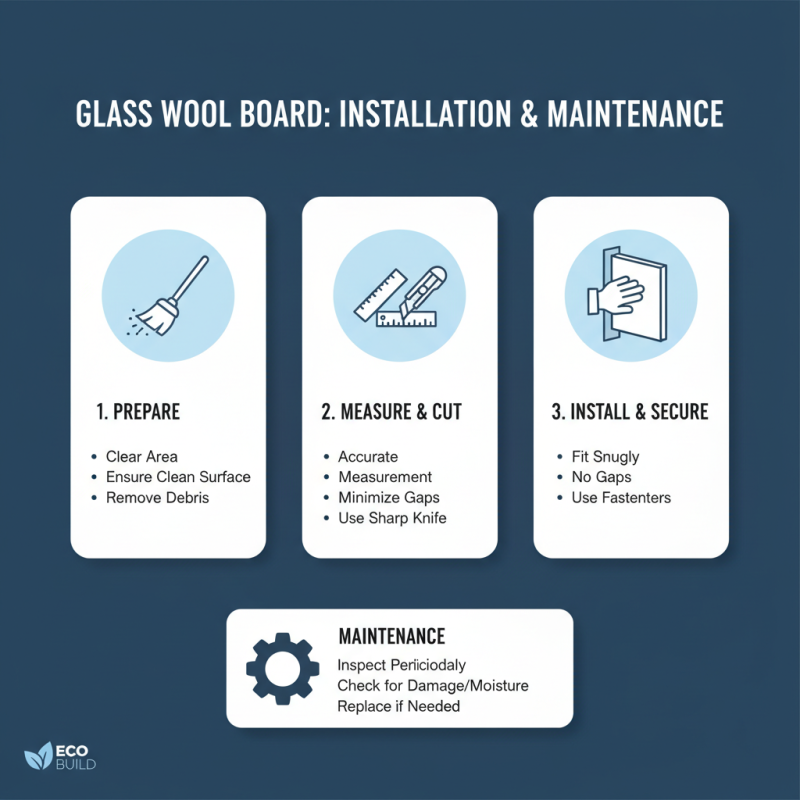
When installing glass wool board for insulation, it’s essential to prepare the space thoroughly. Clear the area of any debris, ensuring a clean surface. Measure accurately to cut the boards to size. This minimizes gaps that can reduce insulation effectiveness. Use a sharp knife for precise cuts.
During installation, position the boards snugly against walls and ceilings. This ensures maximum thermal resistance. Consider using a vapor barrier if moisture is a concern. Pay attention to any uneven surfaces and fill them, as gaps lead to heat loss.
Maintenance is crucial once the insulation is in place. Regularly check for signs of settling or sagging. If any areas appear damaged or compromised, replace them promptly. Remember, proper ventilation is key to preventing moisture buildup. Effective insulation is not just about installation; it's an ongoing commitment to maintaining optimal conditions.



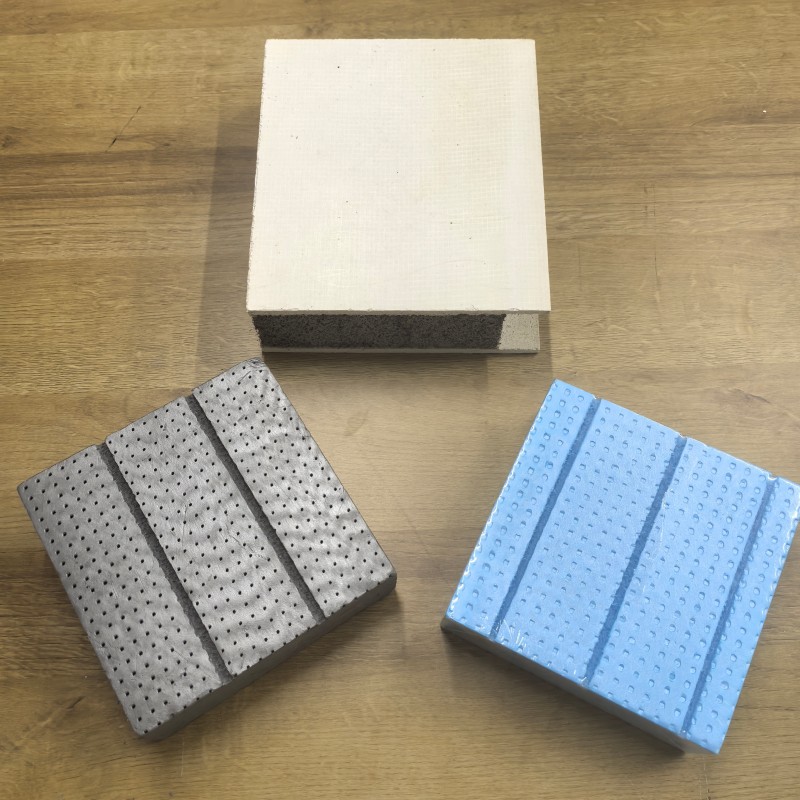 Environmental Building Board
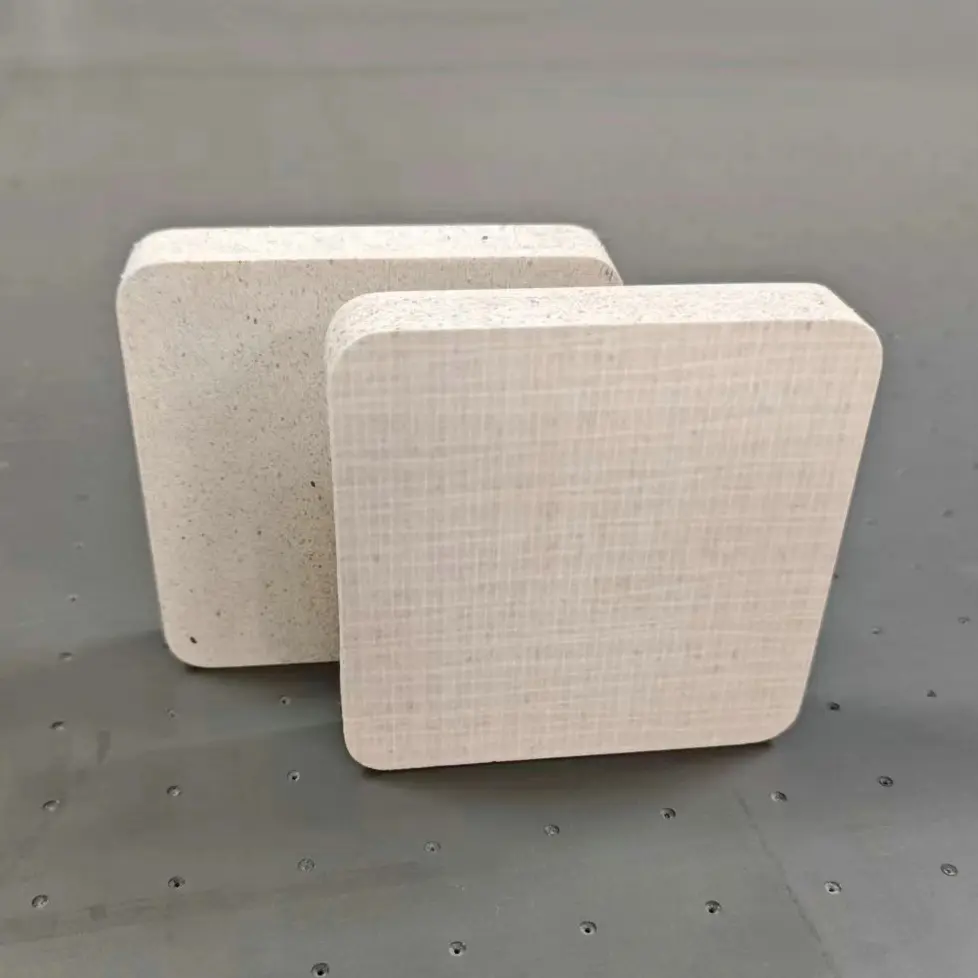 Fire-proof Board
 Sound Resistance
 Termite Resistance