Best Tips for Choosing Glass Wool Board for Your Projects?
Choosing the right materials for insulation projects can significantly impact energy efficiency. Glass Wool Board, a popular choice, offers excellent thermal performance. According to industry reports, it boasts a thermal conductivity of around 0.038 W/mK, making it one of the most effective insulation materials available.
However, selecting the appropriate Glass Wool Board requires careful consideration. Factors such as density, thickness, and application can influence its overall performance. Data indicates that boards with higher density often provide better sound insulation and durability, but they may also come with a higher cost. It’s essential to balance performance needs with budget constraints.
Moreover, while Glass Wool Board is widely regarded for its sustainability and positive environmental impact, not all products are created equal. Some manufacturers may use less eco-friendly binding agents. Therefore, referencing reliable industry certifications is crucial when making a choice. Striving for the best option can sometimes lead to confusion, but informed decisions will enhance project outcomes.
Understanding Glass Wool Board and Its Applications
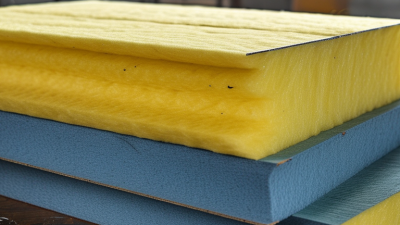
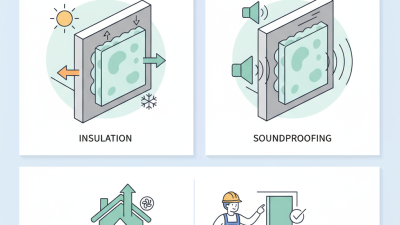
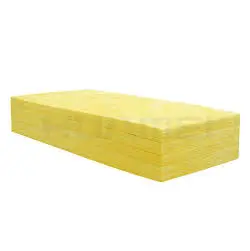
Glass wool board is a versatile material widely used in construction and insulation. It is made from recycled glass, making it an eco-friendly choice. This lightweight material offers excellent thermal and acoustic performance. It's ideal for both residential and commercial projects. Its unique properties allow it to resist fire and prevent moisture buildup. Understanding these features is key to making informed decisions.
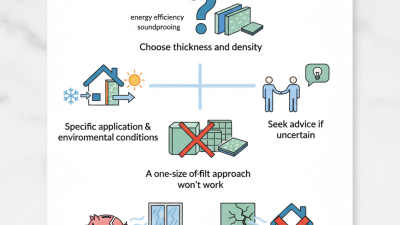
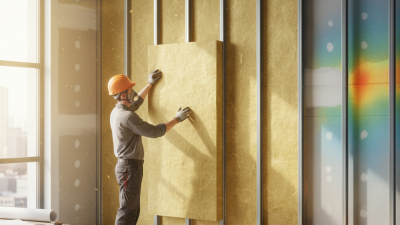
When selecting glass wool board, consider the thickness and density required for your specific applications. A thicker board may provide better insulation but could be harder to handle. Assess the area you are insulating and your budget. Remember that installation can be tricky. Proper handling is essential to avoid irritation from glass fibers. Always wear protective gear during installation.
Remember to check for certifications. This helps ensure you are getting quality products. Look for boards that have low VOC emissions. This will improve indoor air quality. Quality matters. A reliable supplier can provide valuable insights. Doing your research can save you from future headaches. Make choices that align with environmental goals.
Key Factors in Selecting Glass Wool Board for Insulation
When selecting glass wool board for insulation, consider several key factors. The density of glass wool varies, impacting both thermal performance and sound absorption. According to the International Energy Agency, higher density boards typically offer better thermal insulative properties. Boards with a density of 30 kg/m³ to 40 kg/m³ are often recommended for residential applications.
Another important aspect is the thermal conductivity, commonly measured as U-value. Lower U-values indicate better insulating performance. Research indicates that a U-value of less than 0.20 W/m²K is ideal for energy-efficient buildings. Additionally, glass wool boards are known for their fire resistance, but not all products are created equal. It’s essential to check for compliance with local fire safety regulations.
Lastly, assess the environmental impact. Many glass wool boards are manufactured from recycled materials. Look for products certified by recognized standards, such as the Environmental Product Declaration (EPD). Users often overlook these certifications, which can lead to misinformed choices. Indeed, the process of selecting the right glass wool board requires careful consideration.
Evaluating Performance Characteristics of Glass Wool Boards
When selecting glass wool boards, performance characteristics are vital. Look for thermal insulation properties. Glass wool is well-known for its ability to regulate temperature. A good board minimizes heat transfer, which is key for energy efficiency. Check the R-value, which indicates insulation effectiveness. A higher R-value means better thermal resistance.
Sound insulation is another performance aspect. Glass wool boards can dampen sound transmission. This feature is essential for projects requiring acoustic control. Evaluate the board's density. Denser boards typically offer better soundproofing. It might seem simple, but density variation affects performance in real-world applications.
Moisture resistance also matters. Not all glass wool boards handle humidity the same. Boards with better moisture control prevent mold growth. This can become a serious issue in certain environments. Always consider the intended application. Performance varies based on location and use. Choosing the right glass wool board can genuinely influence a project's success. Reflect on these characteristics thoroughly, as overlooking them may lead to costly mistakes.
Comparing Types and Thicknesses of Glass Wool Board
Choosing the right glass wool board is crucial for insulation projects. The type and thickness of the material can greatly affect performance. Glass wool boards are available in various types, including bonded and non-bonded, each suited for different applications. Bonded boards offer better structural integrity, while non-bonded types provide excellent sound absorption.
When considering thickness, remember that thicker boards generally provide superior insulation. However, they can be heavier and more challenging to install. A balance between insulation performance and ease of handling should be aimed for. It's vital to assess the project requirements before making a decision.
Tips: Always check the thermal resistance value. A higher R-value means better insulation. Also, consider local climate conditions. This will determine the minimum thickness required for optimum performance. Remember, a common mistake is not factoring in installation space. Validate measurements before purchase to avoid unforeseen issues.
Cost Considerations and Budgeting for Glass Wool Projects
When planning your glass wool insulation project, budgeting is crucial. The cost of glass wool boards varies widely. Prices can range from $0.50 to $2.50 per square foot, depending on thickness and density. Premium options may offer better thermal performance, but they also come at a higher price. Understanding the trade-offs is essential for effective budgeting.
Labor costs should also be factored in. Experienced contractors typically charge $30 to $50 per hour. Some homeowners may choose to install the boards themselves to save money. Yet, DIY installations can lead to mistakes. Proper installation is key to maximizing performance. For instance, improper seals can lead to air leaks, wasting your investment.
Consider additional expenses such as tools and protective gear. Safety is often overlooked but is vital when working with glass wool. A budget of around $100 for protective equipment can be wise. Unexpected costs may arise, like repairs to damage caused during installation. Planning for these factors ensures a smoother process and better outcomes.
Best Tips for Choosing Glass Wool Board for Your Projects - Cost Considerations and Budgeting for Glass Wool Projects
| Dimension (mm) |
Density (kg/m³) |
Thermal Conductivity (W/mK) |
Cost per Square Meter ($) |
Application Usage |
| 1200 x 600 |
35 |
0.040 |
5.00 |
Wall Insulation |
| 1200 x 1200 |
45 |
0.036 |
7.50 |
Roof Insulation |
| 1000 x 1000 |
50 |
0.035 |
6.00 |
Floor Insulation |
| 600 x 600 |
40 |
0.042 |
4.00 |
Acoustic Treatment |



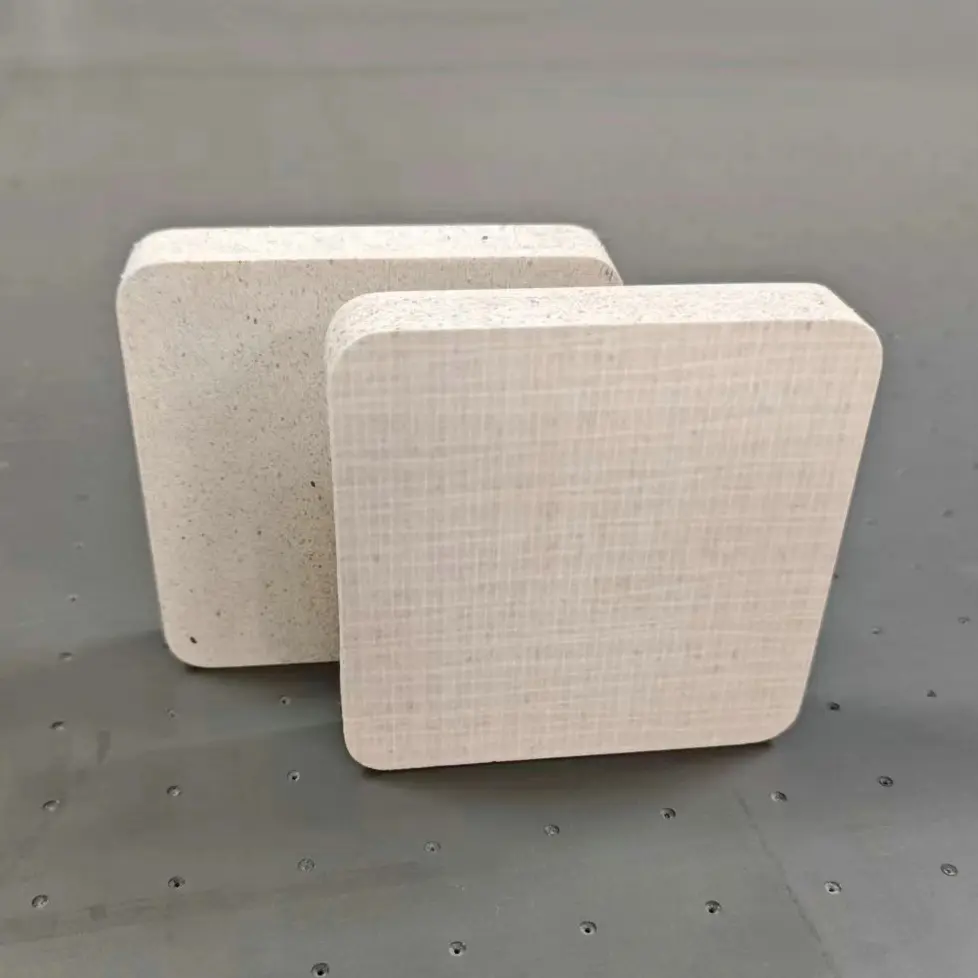
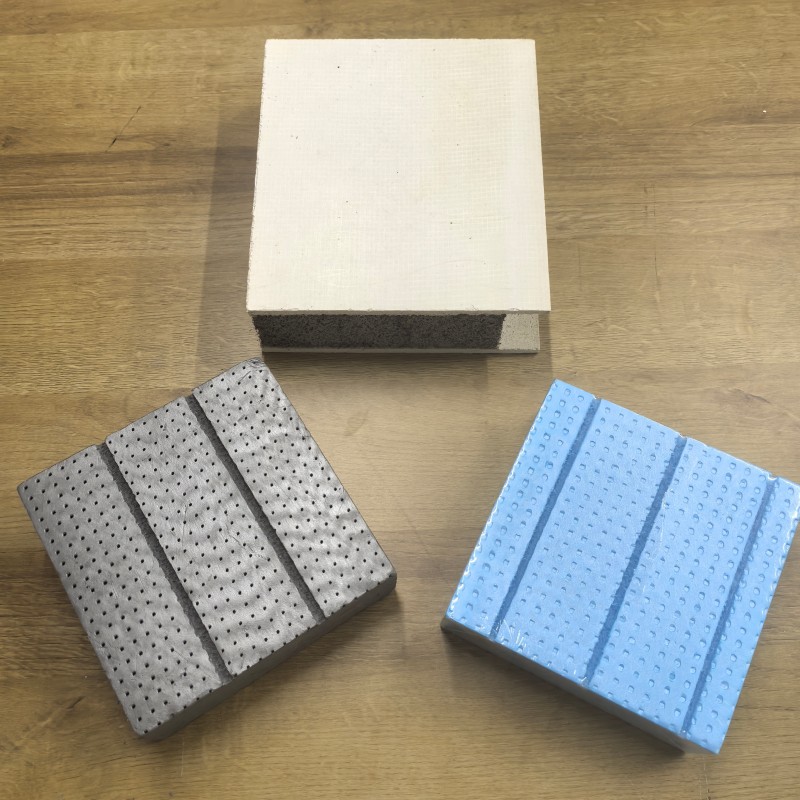 Environmental Building Board
 Fire-proof Board
 Sound Resistance
 Termite Resistance