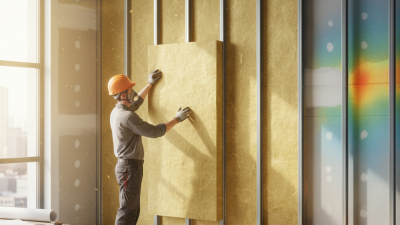
How to Choose the Best Glass Wool Board for Your Needs?
Choosing the right Glass Wool Board for your project is crucial. This material is recognized for its excellent insulation properties and versatility. However, not all glass wool boards are created equal. Understanding your specific needs is vital in making an informed choice.
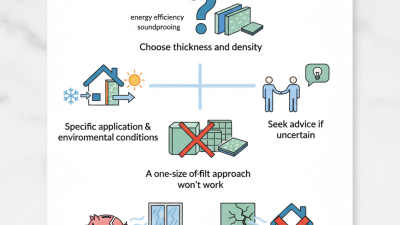
When selecting a glass wool board, consider thickness, density, and application. For example, a thicker board may provide better insulation in colder climates. Density also affects performance; higher density boards tend to be more soundproof.
Reflecting on your needs can help narrow down options. Do you prioritize thermal insulation or sound absorption? This decision will guide you in finding the perfect type. Investing time in research will pay off in performance and satisfaction, ensuring your choice aligns with your project goals.
Understanding the Basics of Glass Wool Boards
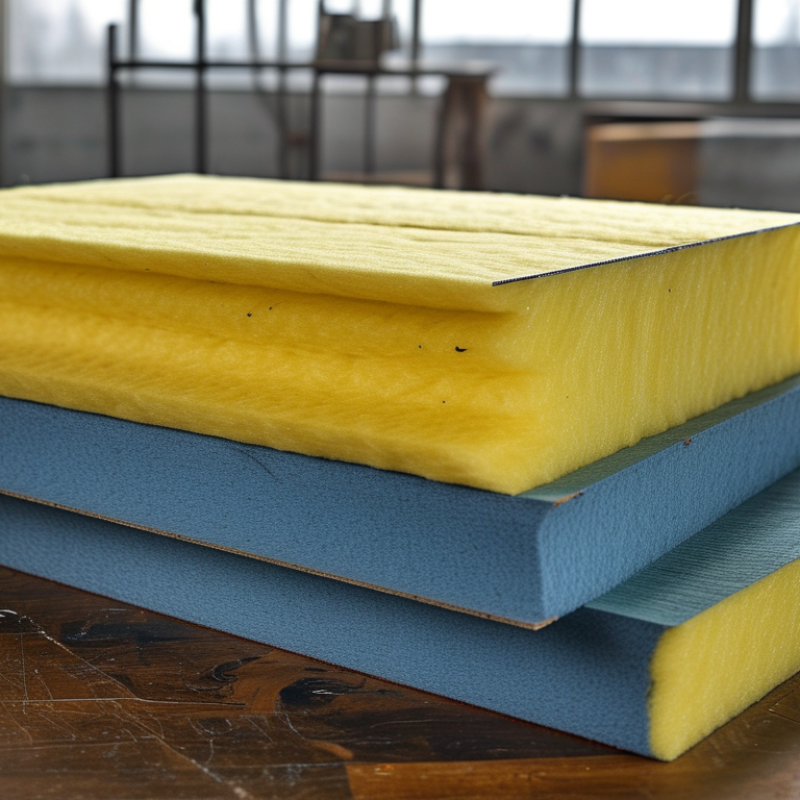
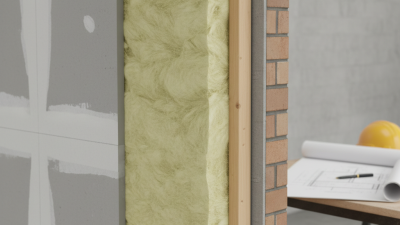
Glass wool boards are an essential insulation material widely used in construction. Understanding them starts with their structure. Made from recycled glass, these boards trap air, providing excellent thermal insulation. This property makes them a popular choice for energy-efficient buildings. Their lightweight nature facilitates easy installation, saving both time and labor costs.
When selecting glass wool boards, consider thermal performance ratings. They vary in R-values, which measure insulation effectiveness. Higher R-values indicate better insulation. Think about the specific application. For example, exterior walls, roofs, and floors may require different thicknesses. Be aware that improper fitting can lead to gaps, compromising efficiency. That’s a common oversight.
Also, check for moisture resistance. Glass wool can absorb water, losing its insulating properties. In humid areas, this is a critical factor. Pay attention to fire safety ratings, too. While glass wool is generally non-combustible, variations exist. It’s crucial to ensure the material meets local building codes for safety. Balancing all these factors can be challenging, but doing your research will lead to better choices.
Evaluating Thermal and Acoustic Insulation Properties
When selecting a glass wool board, understanding its thermal and acoustic insulation properties is crucial. According to the latest data from the Insulation Institute, high-quality glass wool can achieve an R-value of up to 4.3 per inch. This metric indicates its effectiveness in resisting heat flow. A higher R-value translates to better insulation, which can lead to significant energy savings. Ensuring that the chosen board meets specific requirements for your environment is essential.
Acoustic performance is equally important. Glass wool is renowned for its ability to absorb sound. Studies reveal that glass wool boards can reduce noise levels by up to 90%. This makes them an excellent choice for residential spaces or commercial buildings needing soundproofing. However, not all boards perform equally. It’s critical to examine the Noise Reduction Coefficient (NRC) rating before making a decision. An NRC rating exceeding 0.9 is desirable for effective sound absorption.
Despite their benefits, there are trade-offs to consider. Some boards may contain adhesives or binders that can affect indoor air quality. It's vital to check for certifications, like GreenGuard, which ensure low volatile organic compound (VOC) emissions. Making informed choices based on data and specific needs is essential for optimal insulation performance.
Assessing the Weight and Thickness Requirements for Your Project
Choosing the right glass wool board involves understanding weight and thickness deeply. Often, project requirements dictate the necessary specifications. A study by the International Energy Agency indicates that insulation thickness can greatly impact energy efficiency. For instance, increasing thickness from 50mm to 100mm can improve thermal resistance by up to 50%. This data underscores the importance of evaluating your specific needs.
Weight is another crucial factor. Glass wool boards range significantly in weight. Lighter boards may be easier to handle but could compromise sound absorption and thermal performance. According to the American Society of Heating, Refrigerating and Air-Conditioning Engineers, optimal weight ensures effective performance. For example, 10 kg/m² boards often provide a good balance between practicality and insulation capability. Users may overlook these nuances, impacting overall project success.
One should also be aware of installation challenges linked to board thickness. Thicker boards can create complications during fitting and may not align with existing structures. Take the time to assess all dimensions. Consider how a board's weight affects handling and transportation, especially in tight spaces. Emphasizing these factors can lead to better decision-making in selecting glass wool boards.
How to Choose the Best Glass Wool Board for Your Needs?
| Thickness (mm) |
Weight (kg/m²) |
Thermal Conductivity (W/mK) |
Sound Absorption (NRR) |
Application |
| 50 |
9 |
0.037 |
0.95 |
Roof Insulation |
| 75 |
12 |
0.035 |
0.90 |
Wall Insulation |
| 100 |
15 |
0.034 |
0.85 |
Floor Insulation |
| 150 |
20 |
0.032 |
0.80 |
Industrial Insulation |
Identifying Suitable Applications for Glass Wool Boards
When choosing a glass wool board, it’s crucial to identify its suitable applications. Glass wool boards excel in insulation, soundproofing, and fire resistance. These properties make them valuable in both residential and commercial projects. For instance, in homes, they're often used in walls and attics to improve energy efficiency. In industrial settings, they help maintain temperature control in various processes.
Consider the environment where the glass wool will be applied. Moisture-prone areas require boards with enhanced water resistance. In contrast, sound-sensitive spaces benefit from boards specifically designed for acoustic control. Performance needs can vary greatly; as a result, selecting the right type is essential. Not all glass wool boards are created equal.
Pay attention to R-values and density ratings. A higher R-value indicates better thermal resistance, which can lead to energy savings. Density affects both insulation capacity and sound absorption. Assessing these factors carefully ensures you choose a board that truly meets your requirements. Engaging with professionals can also provide insights into optimizing the use of glass wool boards in your specific application.
Comparing Brands and Price Points for Quality Assurance
When selecting the best glass wool board, understanding brand differences and price points is crucial. Research indicates that prices can vary significantly; quality boards may range from $0.50 to $1.50 per square foot. A recent industry report suggests that investing in higher-quality products often results in better thermal insulation and sound absorption. Brands known for rigorous testing and standards are often the ones that provide superior performance.
Tips: Always check the R-value. Higher R-values indicate better insulation efficiency. Research shows that boards with R-values above 3.5 per inch deliver substantial energy savings over time. Additionally, evaluate the fire resistance rating. Many glass wool boards are rated Class A, which means they are non-combustible, providing added safety.
Despite rigorous standards, not all brands maintain consistent quality. Some budget options may promise high performance but fail during real-world applications. Engage with user reviews and expert testimony to assess long-term durability and efficacy. Seek products that meet or exceed industry certifications. Balancing cost with quality assurance is key to making informed decisions.



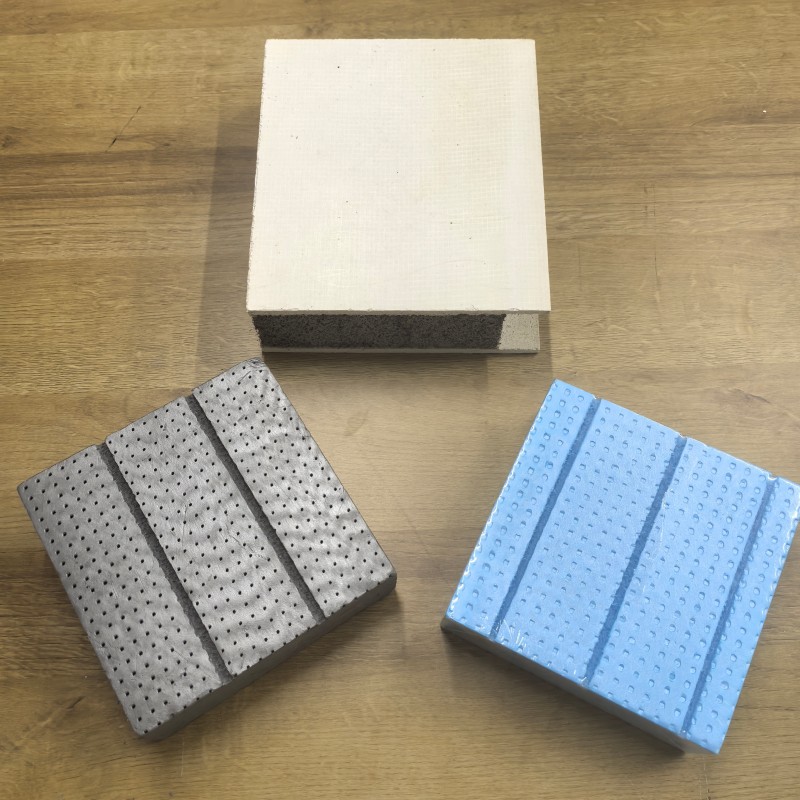 Environmental Building Board
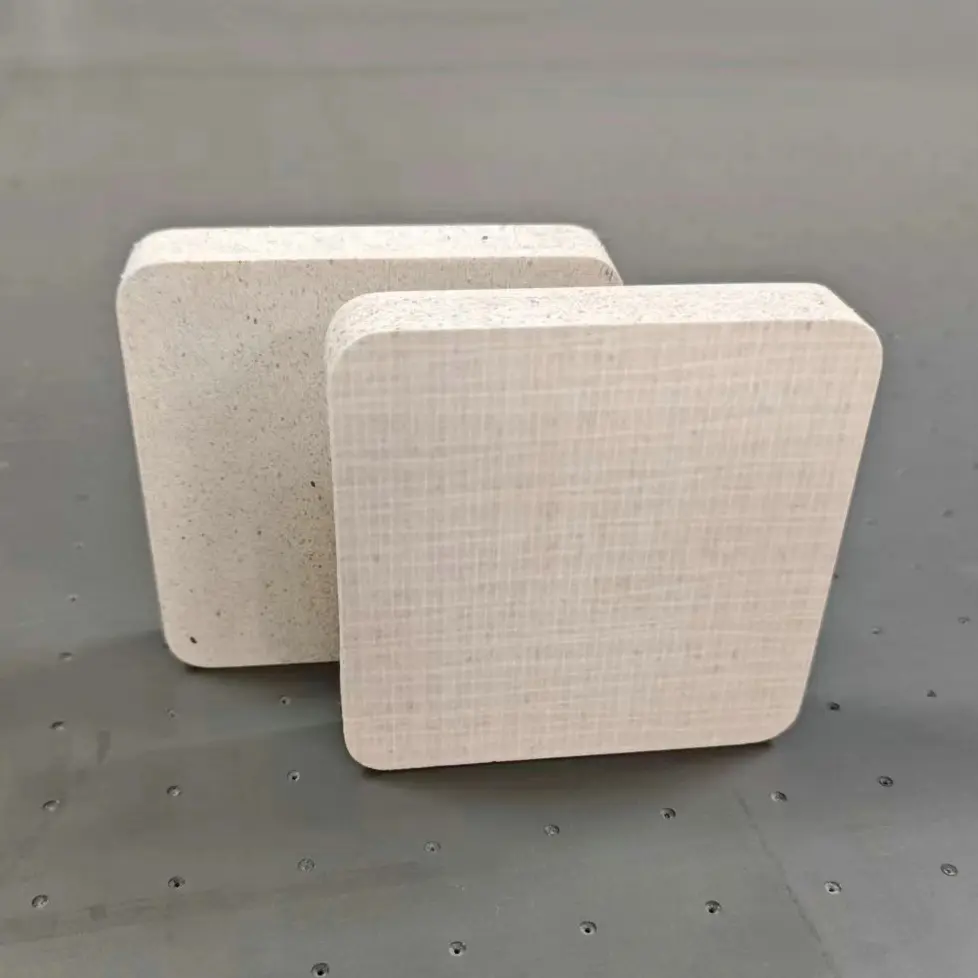 Fire-proof Board
 Sound Resistance
 Termite Resistance