10 Tips for Choosing Sound Absorbing Glass Wool for Your Projects?
When embarking on projects that require soundproofing, choosing the right materials is crucial. One standout option is Sound-Absorbing Glass Wool. This innovative material excels in reducing noise, making it ideal for various applications, from residential spaces to commercial buildings. However, not all glass wool products are created equal. Understanding the nuances can significantly influence your project's success.
The effectiveness of Sound-Absorbing Glass Wool depends on several factors, including density, thickness, and installation method. Selecting the appropriate type requires careful consideration. It’s easy to make mistakes, such as opting for lower-quality products or miscalculating the necessary quantity. These oversights can lead to subpar results and unexpected costs. A reliable supplier can provide insights on selecting high-quality options tailored to your specific needs.
Investing in Sound-Absorbing Glass Wool is more than just a budget decision; it's about creating the right environment. Whether you're reducing echoes in a studio or minimizing disturbances in an office, knowing how to choose the right product matters. With expert guidance and informed choices, your soundproofing goals can be achieved effectively.
Understanding the Basics of Sound Absorbing Glass Wool
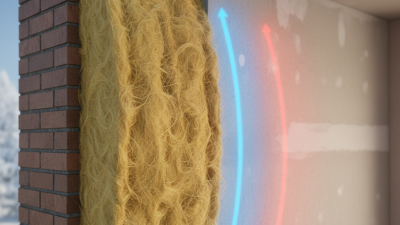
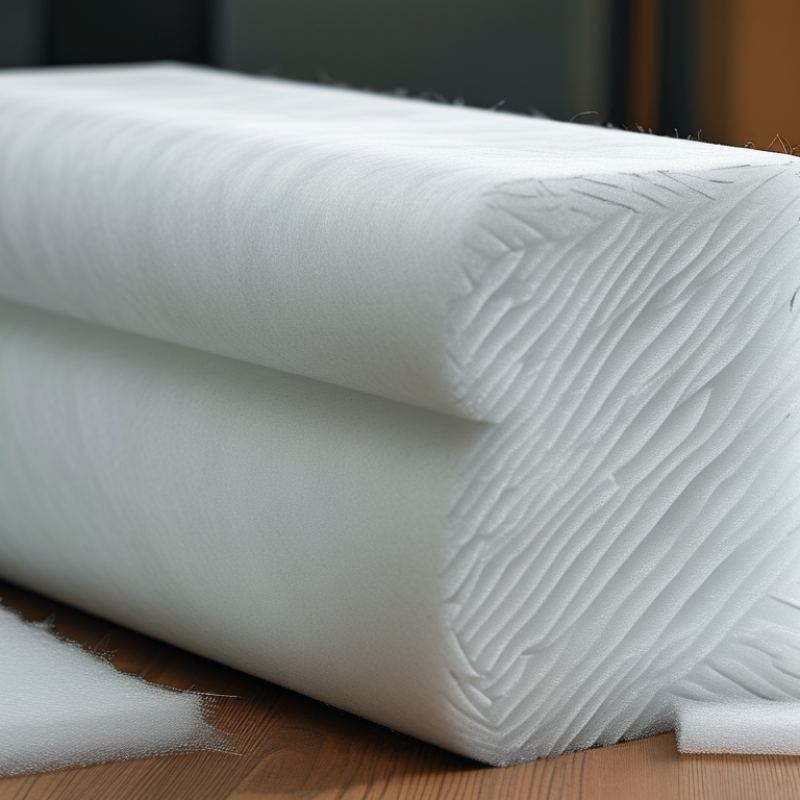
Sound absorbing glass wool is a versatile material that plays a crucial role in acoustic control. Understanding its properties helps you make informed choices for your projects. This lightweight insulation material efficiently dampens noise through its fibrous structure. The fibers trap sound waves, reducing echo and improving room acoustics.
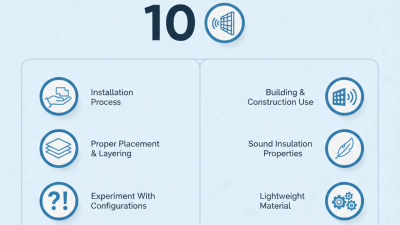
When selecting sound absorbing glass wool, consider its density and thickness. Higher density often provides better sound insulation. However, thicker material can be bulky and may not fit all spaces. It’s essential to balance performance with practicality. Additionally, the installation process can vary, requiring attention to detail to avoid gaps that may compromise effectiveness.
Achieving optimal sound absorption often requires reflection on your specific project needs. Not all environments benefit from the same type of glass wool. A home studio may have different requirements compared to a commercial space. Engaging with professionals or experimenting with samples can refine your decision-making process.
Identifying the Specific Sound Proofing Needs of Your Project
Identifying the specific soundproofing needs of your project is crucial for effective acoustic management. Every space has unique characteristics that influence sound dynamics. Consider the type of activities taking place. Are they noisy offices, quiet studios, or bustling public areas? Each environment demands different approaches to sound absorption.
You should also assess the existing acoustics of the space. Hard surfaces can amplify sound, leading to echoes and distortion. Soft furnishings and materials can help, but understanding the core issues is vital. Think about the layout too. Open floor plans require more sound control than enclosed spaces.
Budget constraints are real, and the most expensive options aren't always the best. Explore mid-range sound absorbing glass wool that fits your needs without overspending. Test samples in your actual space when possible. This hands-on approach allows you to gauge effectiveness firsthand. Don't hesitate to iterate on your choices based on this feedback. Soundproofing is a journey, not a destination.
Evaluating Different Types of Glass Wool Materials Available
When selecting sound absorbing glass wool for projects, it’s crucial to evaluate the various available materials. Glass wool comes in different types, with each offering unique acoustic properties. For instance, some types are denser, providing improved sound insulation, while others are lightweight and more cost-effective.
Consider the acoustic performance needed. Some projects may require high-frequency absorption, while others might prioritize mid and low frequencies. Testing samples can show how well different types perform. This hands-on evaluation is an essential part of your decision-making process.
Check the installation requirements for each type. Some materials may need additional support or specific adhesives. Make sure to read product guidelines carefully to avoid complications during installation. Trust in technical data provided by manufacturers, but always think critically about how they apply to your project. Ideally, gather opinions from professionals and previous users to gauge reliability.
Tip: Always assess your long-term needs, not just immediate concerns. You might face challenges later if initial choices lack durability or effectiveness. Investing time in research now can save headaches in the future. Test and rethink your choices to ensure a successful outcome.
10 Tips for Choosing Sound Absorbing Glass Wool for Your Projects
| Type of Glass Wool |
Density (kg/m³) |
NRC Rating |
Thermal Conductivity (W/mK) |
Fire Resistance |
| Standard Glass Wool |
50 |
0.7 |
0.042 |
Class A |
| High-Density Glass Wool |
80 |
0.85 |
0.038 |
Class A |
| Acoustic Glass Wool |
60 |
0.95 |
0.040 |
Class A |
| Fireproof Glass Wool |
70 |
0.80 |
0.045 |
Class A |
| Eco-Friendly Glass Wool |
55 |
0.75 |
0.041 |
Class A |
Assessing Installation Methods for Optimal Sound Absorption
When considering sound absorption, the installation method is as crucial as the material itself. Different environments require unique applications. For example, suspended ceilings can provide additional surface area for sound-absorbing glass wool. However, improper installation can lead to air gaps, diminishing the effectiveness of the material. Correctly sealing the edges is essential for maximizing sound reduction.
Another aspect to contemplate is the orientation of the glass wool panels. Horizontal installation can help deflect sound waves effectively, while vertical placement might better absorb sounds in specific areas. Always assess the room’s acoustics before finalizing the installation method. Engaging a professional for detailed analysis can prevent costly mistakes.
Be mindful of potential challenges during installation. Adjusting to uneven surfaces can be tricky. Misalignment might necessitate rework, which adds additional time and cost. Consistently checking alignment during the process will help ensure the installation is sound-effective and visually appealing. Balancing aesthetics and functionality can be a complicated task, yet it's vital to achieving the desired outcome.
Sound Absorption Coefficients of Various Materials
Budgeting and Sourcing Quality Glass Wool for Your Project
When budgeting for sound absorbing glass wool, consider both cost and quality. According to industry reports, the average price for quality glass wool ranges from $0.80 to $1.50 per square foot. This price can fluctuate based on regional market conditions and material specifications. Analyzing your project needs can help you determine the right price point. Don't compromise on quality just to save a few dollars; the long-term benefits can outweigh initial expenses.
Selecting the right source is crucial for acquiring reliable glass wool. Suppliers should provide detailed information on material specifications and certifications. Seek manufacturers with a proven track record. Look for those with ISO certifications, as they often meet higher industry standards.
Tip: When selecting glass wool, check for fire resistance ratings. This can significantly affect safety and durability. Quality insulation can reduce energy costs and enhance comfort. Prioritize sourcing from established suppliers with good customer reviews. Always request samples before making large purchases. This allows you to assess the material's performance.
In summary, budgeting wisely and sourcing quality glass wool requires careful consideration and research. Avoid buying the cheapest option without understanding its implications for your project.



 Environmental Building Board
 Fire-proof Board
 Sound Resistance
 Termite Resistance