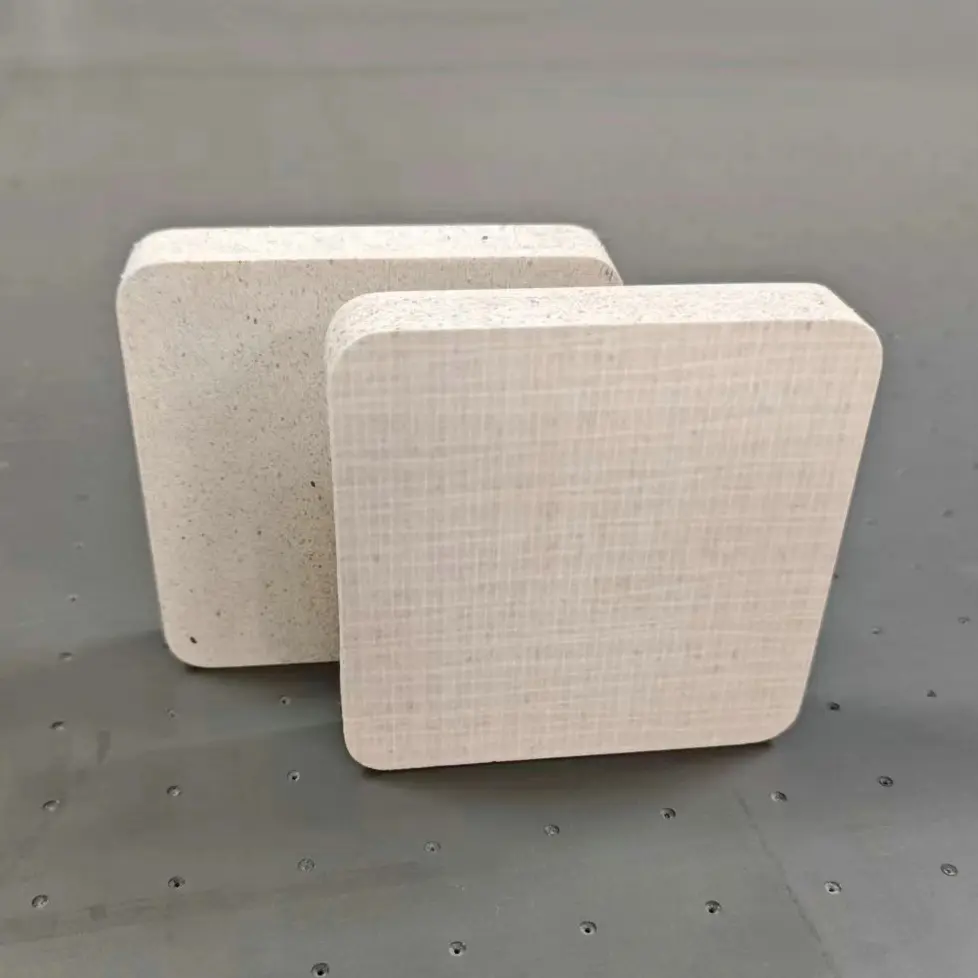
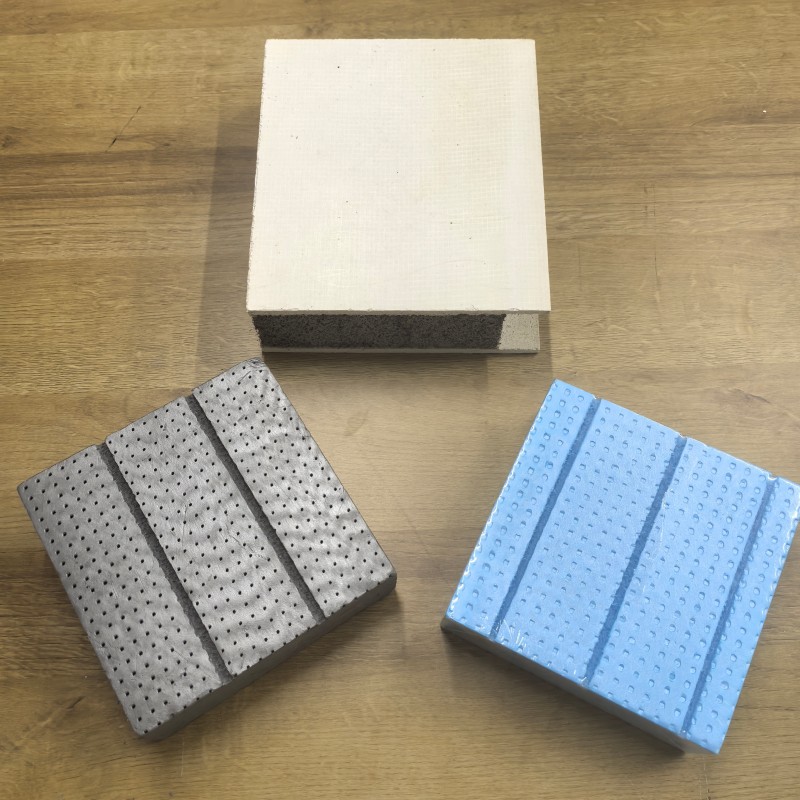
Choosing the right Sheathing Panel supplier in China requires more than comparing factory prices. Buyers must assess product performance, manufacturing consistency, documentation, and communication before placing an order. This guide, “China Top 10 Sheathing Panel Suppliers for Buyers,” introduces manufacturers that may support residential, commercial, and industrial construction projects.
The review focuses on practical buying factors. These include panel strength, moisture resistance, fire performance, dimensional stability, surface quality, and formal testing records. It also considers production capacity, export experience, packaging methods, sample service, minimum order quantities, and lead times. A reliable supplier should explain its raw materials clearly and provide traceable quality information. Factory audits and independent product testing can add useful confidence.
Details matter.
For example, buyers should inspect panel edges, thickness tolerance, pallet protection, and labeling before shipment. A supplier may offer attractive pricing but lack stable production control. Another may provide excellent technical data yet communicate slowly during specification changes. These weaknesses can affect project schedules and installation results.
This selection is intended as a practical starting point, not a permanent verdict. Supplier capabilities can change with equipment, management, certification status, or market demand. Buyers should verify current certificates, product samples, references, and shipping terms independently. In our experience, a short trial order often reveals more than a polished brochure. Careful comparison helps reduce sourcing risks and supports better long-term construction outcomes.
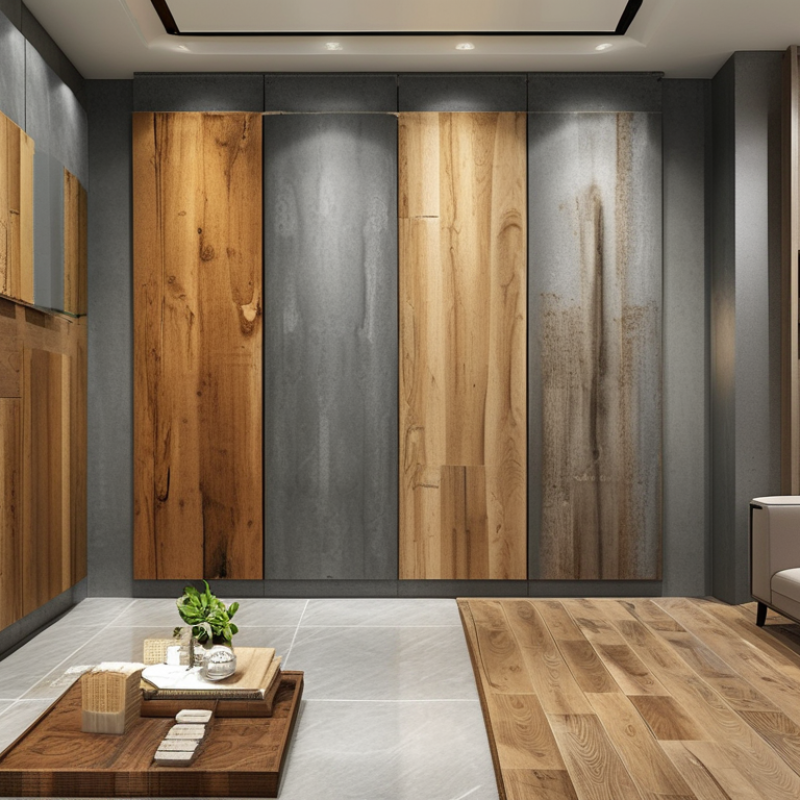
Sheathing panels are flat boards installed over wall, roof, or floor framing. Common types include oriented strand board, plywood, and structural composite panels. They help transfer wind and seismic loads across the building envelope. On a real jobsite, installers also rely on accurate edges, consistent thickness, and clean fastening surfaces. Small defects can become visible later.
The U.S. Census Bureau reported roughly 1.4 million housing starts in 2023, showing the continuing scale of panel demand. APA engineering guidance identifies structural wood panels as key components in diaphragms and shear walls. Their performance depends on span ratings, panel orientation, nail spacing, and moisture control. A strong panel alone cannot correct poor installation.
Sheathing also affects weather resistance and indoor comfort. The U.S. Department of Energy’s Building America research links uncontrolled air leakage with substantial heating and cooling losses. Properly taped joints, sealed penetrations, and compatible housewrap systems therefore matter. Buyers should request test reports, thickness tolerances, formaldehyde compliance documents, and quality-control records. Lowest price is not always lower cost. I have seen projects replace panels after edge swelling, although the original specification looked acceptable. The lesson is uncomfortable: paperwork and field checks must agree.

Reliable sheathing panel sourcing starts with performance, not catalog variety. The FAO’s Global Forest Products Facts and Figures 2023 places worldwide wood-based panel production above 400 million m³. That scale creates choice, but also uneven quality. Ask each supplier to identify panel type, structural grade, thickness range, density, moisture target, and applicable standard. The USDA Forest Products Laboratory’s Wood Handbook links panel performance to veneer or strand quality, bonding, thickness, and loading conditions. Request test evidence for every listed grade.
Factory verification should go beyond a video tour. Check resin batching records, press-temperature logs, calibration certificates, and lot traceability. For OSB or plywood, compare internal bond, bending strength, screw withdrawal, swelling, and formaldehyde results. EN 13986 and relevant ASTM methods can clarify test scope, but a certificate alone is not enough. An independent pre-shipment inspection should sample panels from different pallets. Small differences matter. A 0.5 mm thickness loss can affect joints, fasteners, and weather-resistive layers.
Delivery reliability needs measurable controls. Review monthly capacity, raw-material sourcing, packaging design, container loading photos, and corrective-action records. Ask for retained samples and a written replacement process for warped, delaminated, or damaged panels. Experienced buyers should test a pilot order through real cutting and fastening. I would not choose the lowest quote without comparing landed cost, breakage, inspection fees, and delay risk. That is where judgment becomes less comfortable. Supplier rankings can open the shortlist, yet repeatable test data should decide it.
China’s top 10 sheathing panel suppliers differ more in manufacturing strength than in catalogue size. The FAO Forestry Production and Trade Database identifies China as the world’s largest wood-based panel producer, with annual output above 200 million cubic metres in recent records. This scale supports stable plywood, oriented strand board, and particleboard supply. For buyers, the strongest suppliers usually offer calibrated thicknesses, controlled moisture content, and documented formaldehyde emissions. Small details matter. A clean panel edge often signals better pressing control.
Structural plywood suppliers typically focus on veneer grading, cross-laminated construction, and bending strength. OSB producers may offer stronger directional performance and efficient material use. Panels tested against standards such as EN 13986, EN 314, or ASTM requirements are easier to specify for walls, roofs, and floors. However, certificates need checking. A copied test report proves little without batch numbers, laboratory details, and recent production dates. Buyers should request samples from the same production line.
Industry forecasts from Research and Markets and similar construction-material reports continue to link panel demand with prefabrication, renovation, and housing development. That trend favors suppliers with automated sanding, edge sealing, and container-loading systems. Yet price comparisons can mislead. Lower-cost panels may show swelling after repeated wetting, especially when storage is careless. I would compare density, screw-holding strength, surface flatness, and replacement policies, not only FOB pricing. One weakness remains: supplier rankings often depend on public information, while factory consistency requires independent inspection and repeated orders.
| Rank | Anonymized Supplier | Primary Sheathing Panel Type | Typical Core or Construction | Common Thickness Range | Relevant Standard Reference | Main Product Strength | Suitable Buyer Application |
|---|---|---|---|---|---|---|---|
| 1 | Supplier 01 | Structural OSB/3 | Oriented wood strands bonded with moisture-resistant resin | 9–25 mm | EN 300; EN 13986 | Good load-bearing performance and dimensional consistency for wall, roof, and floor sheathing | Timber-frame housing, roof decks, exterior wall systems |
| 2 | Supplier 02 | Structural plywood | Cross-laminated rotary-cut veneer layers | 9–30 mm | EN 636; EN 13986; applicable GB/T requirements | High screw-holding capacity and strong panel-to-panel connection performance | Structural walls, subfloors, packaging structures, general construction |
| 3 | Supplier 03 | Film-faced structural plywood | Multi-layer hardwood or mixed-species veneer with phenolic film | 12–21 mm | EN 636 or project-specific plywood specifications | Smooth release surface, improved resistance to concrete moisture, and repeated-use potential | Concrete formwork, temporary site sheathing, heavy-duty construction panels |
| 4 | Supplier 04 | OSB/2 general-purpose panel | Oriented strand board intended for dry-condition service | 6–25 mm | EN 300; EN 13986 | Cost-efficient panel option with reliable machinability and uniform thickness | Interior partitions, dry construction, furniture backing, non-critical sheathing |
| 5 | Supplier 05 | Exterior-grade plywood | Cross-banded veneer construction with weather-resistant bonding | 9–25 mm | EN 636-2 or EN 636-3, depending on exposure requirement | Better moisture resistance than interior-grade panels when properly sealed and installed | Exterior walls, roof underlayment, agricultural and semi-exposed structures |
| 6 | Supplier 06 | Tongue-and-groove OSB/3 | Structural OSB with profiled long edges for close-fit installation | 15–22 mm | EN 300; EN 13986 | Faster installation and improved edge alignment for flooring and roof assemblies | Subfloors, roof decking, modular buildings, prefabricated panels |
| 7 | Supplier 07 | Low-emission plywood | Veneer-based panel manufactured with controlled formaldehyde-emission adhesives | 9–18 mm | EN 717-1 testing; buyer-specified emission class | Suitable for projects that prioritize indoor-air-quality documentation and traceability | Residential interiors, schools, offices, and green-building projects |
| 8 | Supplier 08 | High-density structural plywood | Dense hardwood veneer layup with calibrated sanding | 12–30 mm | EN 636; project-specific structural plywood testing | High surface hardness, stable machining, and strong resistance to localized impact | Industrial floors, transport bodies, reusable formwork, robust wall systems |
| 9 | Supplier 09 | Fire-performance sheathing board | Mineral-based or treated wood-based board, subject to tested system design | 6–20 mm | EN 13501-1 classification must be confirmed for the specific product | Provides a route to improved fire performance when used within a tested wall or roof assembly | Commercial buildings, utility rooms, fire-rated partitions, public projects |
| 10 | Supplier 10 | Custom-cut structural panel | OSB or plywood supplied with CNC cutting, edge profiling, or pre-drilling | 9–25 mm | Applicable EN, GB/T, or project specification | Reduces on-site processing through dimensional customization and production batching | Modular construction, prefabricated housing, OEM building components |
Note: Thickness ranges and standards shown are common market specifications for the stated panel categories. Buyers should verify current technical data sheets, structural calculations, emission results, fire classifications, moisture exposure ratings, and applicable destination-country requirements before placing an order.
When comparing the top 10 sheathing panel suppliers, price should never stand alone. Request identical specifications, including thickness, density, moisture resistance, edge profile, and order volume. A low quotation may exclude packaging, testing, or inland freight. The Forest Products Annual Market Review 2023–2024 reports continued volatility in wood-product prices, so buyers should compare valid quotation dates.
Quality requires physical evidence. Ask for recent test reports covering bending strength, water absorption, dimensional stability, and formaldehyde emissions. Check whether samples match mass production. They sometimes do not. For certification, verify ISO 9001 registration, product standards, and chain-of-custody documentation where sustainable sourcing matters. The ISO Survey 2022 recorded more than 1.2 million ISO 9001 certificates worldwide, but certification alone does not prove panel performance. Confirm the certificate scope, issuing body, factory address, and expiration date.
Delivery service deserves measurable terms. The World Bank Logistics Performance Index 2023 evaluates 139 economies through customs, infrastructure, logistics competence, tracking, and timeliness. Use these factors when assessing a supplier’s export route. Request production lead time, inspection timing, container capacity, loading photographs, and a written remedy for delays. A supplier promising seven-day delivery may be quoting only manufacturing time. That is an easy mistake. Compare landed cost, not factory price, and keep a small contingency for port congestion, reinspection, or damaged pallets.
Buying sheathing panels from China starts with a precise technical brief. State the panel type, thickness, density, moisture resistance, edge profile, and intended climate. FAOSTAT Forestry Production and Trade data identifies China as a leading wood-panel producer and exporter. That scale offers choices, but quality can vary between factories. Request production photos, test reports, and samples from at least three suppliers. Do not judge by price alone.
Check whether the factory can meet the required standards, such as EN 13986 or relevant ASTM specifications. Ask for formaldehyde-emission results, bending strength, swelling data, and fire-performance records when applicable. The Forest Products Annual Market Review highlights how construction demand and panel markets change with regional conditions. Confirm packaging, loading limits, lead time, payment terms, and Incoterms in writing. An independent pre-shipment inspection is sensible. It may feel slow.
Tips: Compare identical specifications, not just unit prices. Seal samples in a dry room and inspect warping, delamination, odor, and surface defects after several days. Verify the legal company name, factory address, export history, and certificate validity. A video call is useful, but it is not proof. One weakness in my own buying logic would be trusting a clean sample too quickly; production consistency matters more. Include an agreed tolerance range and a remedy for rejected goods before placing the order.