Why Choose Wall Boards for Your Next Project?
In recent years, the construction industry has undergone significant transformations. One product that stands out is the Wall Board, which has gained considerable traction among architects and builders. According to a report by Grand View Research, the global wall board market is expected to reach over $345 billion by 2025, driven by the rising demand for sustainable and efficient building materials.
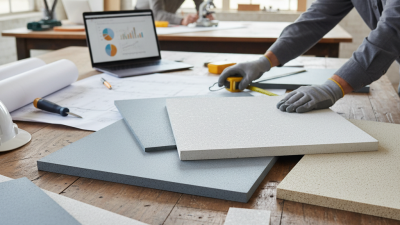
Wall Boards offer a range of advantages, from ease of installation to cost-effective solutions. They can reduce construction time and labor costs significantly, making them an appealing option for both residential and commercial projects. However, not all Wall Boards are created equal. An awareness of the materials and technologies involved is crucial. Some products may have hidden drawbacks, such as environmental concerns or insufficient durability.
Choosing the right Wall Board requires careful consideration and expertise. By evaluating various options and staying informed about industry trends and standards, you can ensure that your project stands the test of time. As the market evolves, it’s essential to reflect on the choices we make and their long-term implications for both quality and sustainability.
Benefits of Using Wall Boards in Construction Projects
Wall boards have gained popularity in construction projects for various reasons. One significant benefit is their versatility. They can be used in residential, commercial, or industrial settings. This flexibility allows architects and builders to utilize them in diverse applications. Additionally, wall boards come in various materials, such as gypsum, plywood, and fiberglass, catering to specific project requirements.
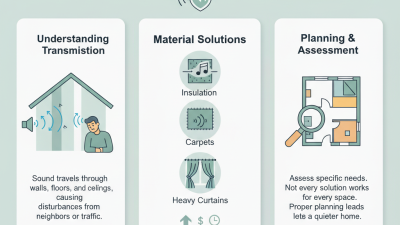
Another advantage of wall boards is their ease of installation. They typically feature lightweight designs, allowing for quicker setups. Labor costs can decrease as a result. Space efficiency is another key factor. Wall boards can effectively insulate and provide soundproofing. This is essential in multi-unit buildings. However, not all wall boards are equal; careful selection is necessary to match performance to specific needs.
Durability is also a consideration. Some wall boards are designed to meet fire resistance standards. Others offer moisture resistance, ideal for bathrooms or kitchens. Yet, over time, users may notice wear and tear. Regular inspections are crucial. Maintaining wall boards ensures their effectiveness and prolongs their lifespan. Contractors should weigh these factors thoroughly before making a choice.
Types of Wall Boards Available on the Market
When considering wall boards for your next construction project, understanding the available types is essential. Various materials dominate the market, each suited for different needs. Gypsum boards, commonly known as drywall, account for nearly 80% of the wall board market in North America. These boards provide excellent fire resistance and sound insulation, making them a popular choice for residential and commercial buildings. Reports show that the global drywall market is expected to reach $55 billion by 2027, underscoring its widespread use.
In addition to gypsum boards, there are also cement boards and plywood panels. Cement boards are particularly effective in moisture-prone areas like bathrooms and kitchens. They offer durability but can be heavier and more challenging to work with. According to industry studies, plywood panels provide a more flexible option, often used in custom woodworking projects. However, they may not offer the same level of durability as cement board in specific applications. Understanding these options allows for informed decisions, but many fail to assess the long-term implications of each type. Careful evaluation of project requirements is key to maximizing wall board benefits.
Installation Process: How to Properly Install Wall Boards
When considering wall boards for your project, understanding the installation process is crucial. Recent industry reports indicate that proper installation can improve wall durability by nearly 30%. Begin by preparing the surface. Ensure it is clean and dry to encourage adhesives to bond effectively. Measuring accurately and cutting the boards to fit is essential. This step can prevent costly mistakes later on.
The installation typically involves using a combination of adhesive and fasteners. Data shows that boards installed with both methods reduce the risk of warping and cracking significantly. It's important to leave proper gaps around edges to accommodate expansion and contraction. Rushing this process can lead to misalignment, which often requires redoing the work entirely.
After securing the boards, consider the finishing touches. Joint compound application can enhance the aesthetics of the wall. Many professionals recommend allowing adequate drying time to avoid issues down the line. Yet, new installers often overlook this step. Providing others with a thorough understanding of these procedures can help them avoid common mistakes. With the right preparation and attention to detail, wall boards can be a fantastic choice for any project.
Benefits of Using Wall Boards in Construction Projects
Cost Considerations: Budgeting for Wall Board Projects
When considering wall boards for your next project, cost is a significant factor. Industry reports indicate that wall board installation can range from $1 to $5 per square foot. This variance is based on the type chosen, installation method, and regional pricing differences. Budgeting wisely is crucial. Estimates show that mid-range options tend to deliver excellent durability without breaking the bank.
Unexpected costs can arise in wall board projects. For instance, preparation work like insulation or environmental measures often gets overlooked. A study highlighted that 15-20% of total project budgets can shift to these preparatory tasks. Careful planning can reduce these surprises. Analyzing the total cost of ownership helps. It includes not just the initial purchase. Maintenance and lifespan are essential for long-term budgeting.
Potential limitations in wall board choices may arise. For example, some materials may not fit specific design aesthetics or building codes. Understanding your local requirements is vital. It prevents costly adjustments later in the process. The right preparation and knowledge can lead to successful wall board implementations, ensuring budget adherence and quality outcomes.
Why Choose Wall Boards for Your Next Project? - Cost Considerations: Budgeting for Wall Board Projects
| Wall Board Type |
Material Cost ($ per sqft) |
Installation Cost ($ per sqft) |
Average Lifespan (years) |
Maintenance Cost (annual) |
| Gypsum Board |
$0.50 |
$1.00 |
20 |
$100 |
| Plywood |
$1.25 |
$1.50 |
30 |
$150 |
| Medium Density Fiberboard (MDF) |
$1.00 |
$1.20 |
15 |
$80 |
| Oriented Strand Board (OSB) |
$0.75 |
$1.10 |
20 |
$90 |
| Steel Wall Panels |
$2.00 |
$1.80 |
40 |
$200 |
Environmental Impact and Sustainability of Wall Boards
When choosing materials for your next project, wall boards stand out due to their environmental impact. Many types of wall boards are produced using recycled substances. This reduces waste and promotes a circular economy. However, not all wall boards are created equal. Some may still contain harmful chemicals, affecting indoor air quality. It's essential to research the materials used in the wall boards you choose.
Sustainability in construction is critical now more than ever. Wall boards can be energy-efficient, offering good insulation. They help reduce heating and cooling costs. Nonetheless, the production process can be energy-intensive, leading to higher carbon emissions. Consider local sourcing to minimize transportation emissions and support the economy. This practice not only benefits the environment but also strengthens community ties.
Reflecting on your choices is vital. Are you prioritizing aesthetics over sustainability? A well-thought-out selection of wall boards can lead to a healthier living space. Explore various options and ask questions. A commitment to sustainability can guide your decisions for future projects.



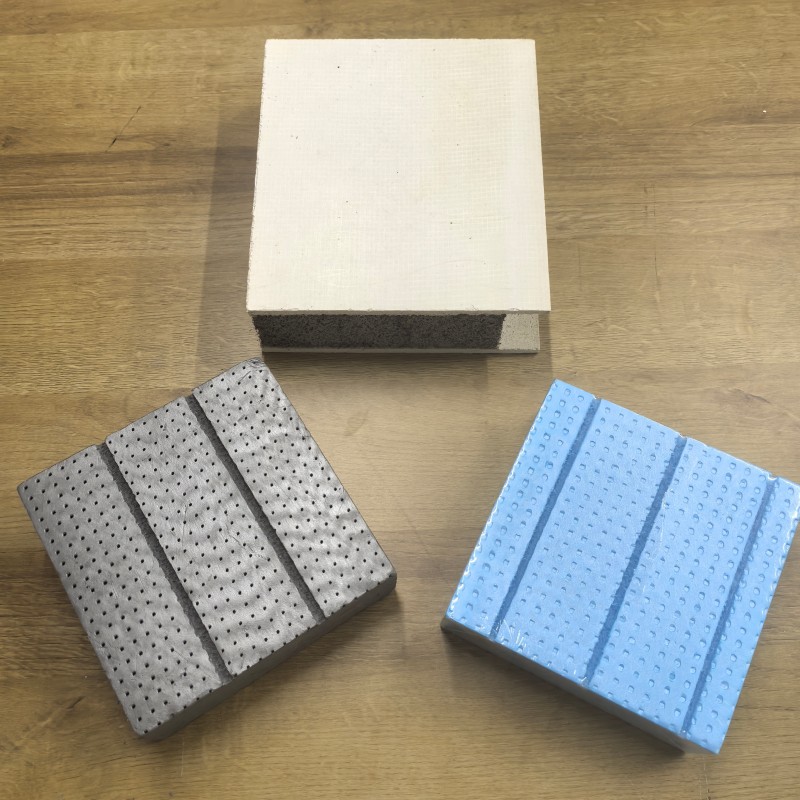 Environmental Building Board
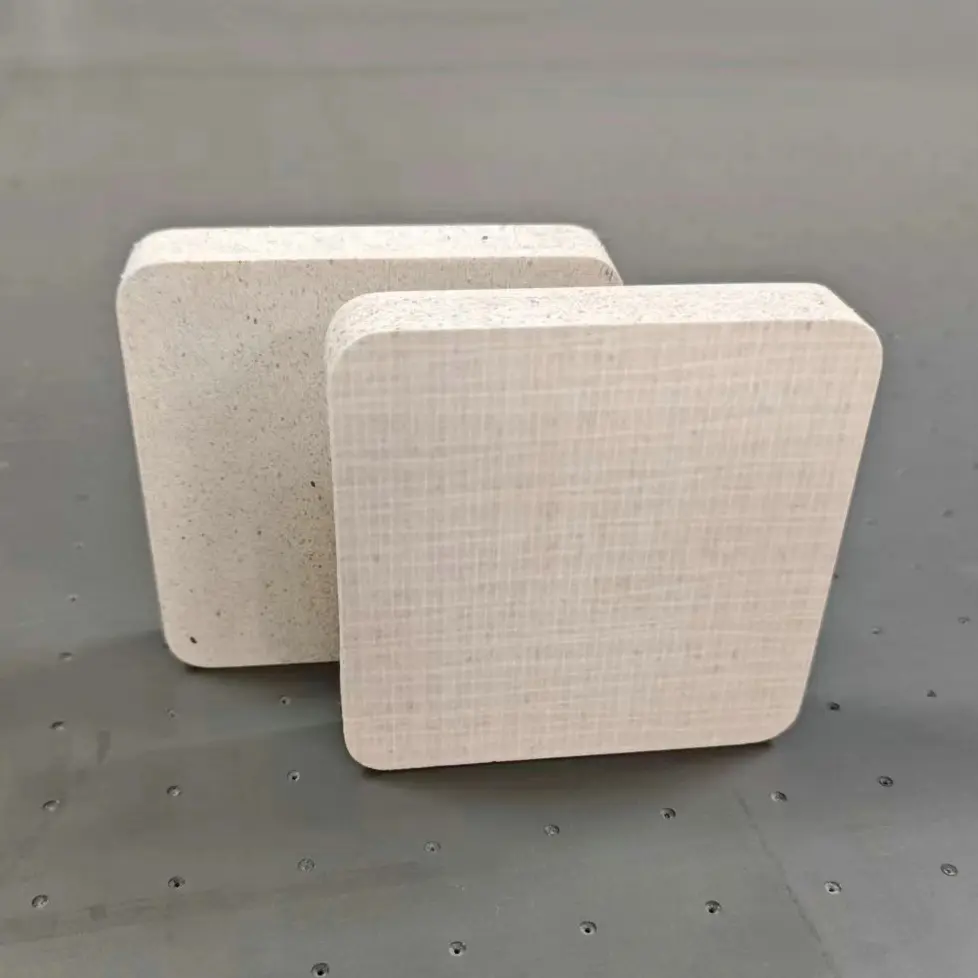 Fire-proof Board
 Sound Resistance
 Termite Resistance