Best China Non Toxic Board Supplier for Global Buyers?
For global buyers, choosing a Non-Toxic Board supplier in China requires more than comparing prices. It requires evidence, testing, and practical factory experience. China has a major role in global wood-based panel production. The FAO Forestry Production and Trade database consistently identifies China as one of the world’s leading panel producers. That scale offers strong manufacturing capacity, but it does not guarantee safer materials.
Indoor emissions make the issue more serious. The World Health Organization recommends limiting formaldehyde exposure to 0.1 mg/m³ over 30 minutes. The U.S. Environmental Protection Agency also reports that indoor pollutant levels may exceed outdoor levels, sometimes by two to five times. These figures explain why buyers examine formaldehyde release, VOC emissions, adhesives, and surface coatings before placing large orders. Compliance with standards such as CARB Phase 2, EPA TSCA Title VI, EN 13986, and REACH can provide useful evidence. However, certificates must match the exact board, thickness, production site, and testing date.
No supplier is perfect. That matters. A reliable evaluation should include factory audits, recent laboratory reports, raw-material traceability, and production samples. Buyers should inspect the board edge, surface finish, odor, density, and packaging condition. A clean-looking panel may still require deeper verification. This guide compares leading Chinese suppliers through those practical criteria, rather than promotional claims alone. It also recognizes an uncomfortable point: lower emissions can increase cost, extend lead times, or reduce design flexibility. The best supplier is therefore not simply the cheapest. It is the partner that can repeatedly document safer performance and communicate honestly when a specification needs improvement.
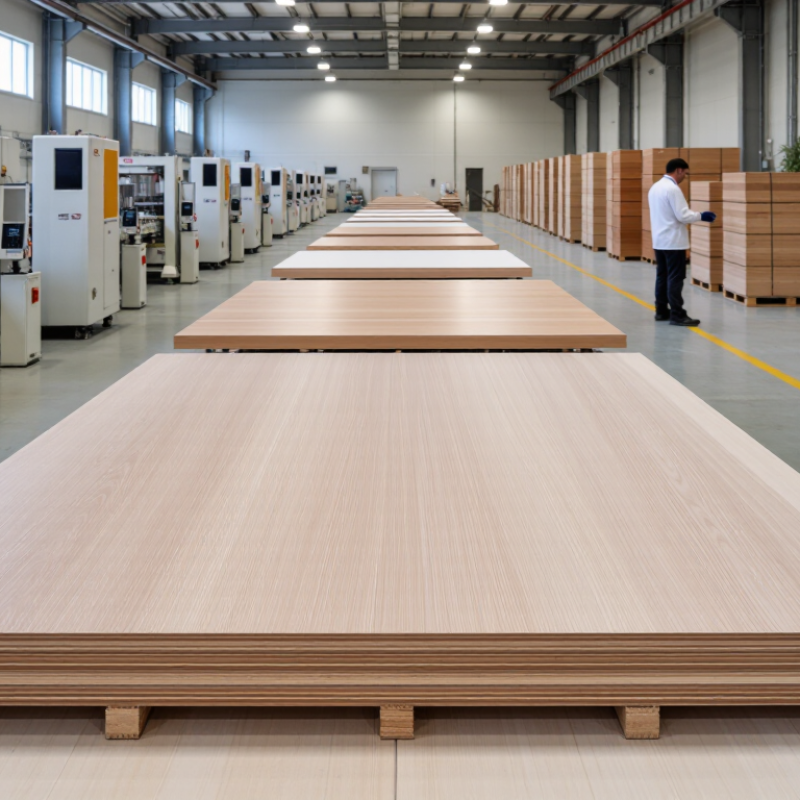
What Defines a Non-Toxic Board Supplier for Global Buyers
A non-toxic board supplier for global buyers must offer more than a clean-sounding product description. The factory should explain its core materials, adhesives, coatings, and formaldehyde-control process. Independent laboratory reports should support every major safety claim. Proof matters. Reports must show test dates, sample details, and applicable destination standards.
Practical experience also reveals the supplier’s reliability. Ask for batch traceability, production records, moisture testing, and packaging controls. A professional supplier can provide samples from current production, not only polished showroom pieces. During factory communication, notice how clearly the team answers technical questions. Details matter. Vague answers may signal weak quality management.
Responsible suppliers also understand global shipping conditions. They should protect boards from humidity, edge damage, and contamination during transit. Clear inspection procedures reduce disputes after arrival. No supplier is perfect. Even experienced factories may have occasional variation in color, thickness, or surface texture. What matters is whether they identify problems, document corrective action, and improve the next batch. Buyers should review test evidence, factory capability, and communication together before making a long-term decision.
Safe Materials and Standards Used in Non-Toxic Board Production
For global buyers, non-toxic board quality begins with material selection, not attractive packaging. Experienced China-based factories inspect wood fibers, recycled content, and moisture before production. Low-emission adhesives are chosen according to the board’s intended use. They should not hide odor with surface coatings. Clean input matters.
During pressing, temperature, pressure, and curing time need written controls. Small changes can affect bonding strength and formaldehyde emissions. Production teams should record batch numbers, operator checks, and laboratory results. Independent testing can assess emissions, heavy metals, and other restricted substances. The exact test method depends on the destination market. Standards are not interchangeable. That detail is often missed.
A dependable supplier can provide technical data sheets, safety documents, and recent test reports. Buyers should compare report dates, sample descriptions, and factory batch records. A factory visit may reveal dusty storage, open adhesive containers, or weak ventilation. These details are easy to overlook online. No production system is flawless. Even capable factories need corrective reviews when moisture readings vary. Clear communication about limits builds more trust than promising absolute safety. For large orders, pre-shipment sampling and sealed reference samples help protect consistency.
How to Assess Product Quality, Durability, and Applications
Best China Non Toxic Board Supplier for Global Buyers?
How to Assess Product Quality, Durability, and Applications
A non-toxic board should be assessed through documents, samples, and production evidence. Ask for recent third-party reports covering formaldehyde emissions, heavy metals, and other restricted substances. Test methods must match your destination market. A certificate without a clear laboratory name, date, and product code is weak evidence.
Inspect the sample closely. Check thickness at several points, edge density, surface flatness, and moisture content. A strong board should resist swelling after controlled water exposure. For furniture, shelving, and interior panels, screw-holding strength matters. For children’s products, smooth edges and stable coatings deserve extra attention. Request samples from different production batches. One perfect piece proves little.
Durability depends on the application. Dry indoor walls need different performance from kitchen cabinets or transport packaging. Discuss temperature changes, humidity, loading weight, and installation methods with the supplier. Ask for accelerated aging data when long service life matters. Factory audits can reveal storage problems, mixed materials, or inconsistent curing conditions.
I once trusted a polished sample too quickly; the follow-up batch showed greater thickness variation. That mistake changed my inspection process.
Quality control should include incoming material checks, in-process measurements, and final release records. Clear traceability also helps when a buyer needs to investigate an unexpected odor, crack, or surface change.
Supplier Certifications, Factory Audits, and Export Compliance
Choosing the best China non-toxic board supplier requires more than comparing prices. Reliable buyers should verify current certifications, factory records, and export procedures. A certificate must match the product, production site, and certification scope. Check issue dates, validity, factory addresses, and testing standards. Useful evidence may include ISO 9001, ISO 14001, FSC, REACH, RoHS, formaldehyde, heavy-metal, and VOC test reports. Requirements vary by board type and destination market.
Factory audits reveal details certificates may miss. Ask for production-line photos, raw-material records, batch traceability, calibration logs, and corrective-action reports. During an audit, inspect ventilation, storage areas, worker safety, and quality checkpoints. A clean showroom proves little. Independent laboratory testing is also valuable before shipment. However, no audit is perfect. Inspectors can miss irregularities, and supplier documents may become outdated.
Tips: Request samples from several production batches. Compare thickness, density, odor, surface finish, and test results. Confirm the HS code, commercial invoice, packing list, certificate of origin, labeling, and shipping terms before payment. Ask whether the supplier has exported to your market, but verify every claim independently. A small pilot order may expose packaging or compliance problems early. Do not rely on promises alone.
How to Compare Pricing, Customization, and Customer Support
When comparing a China non-toxic board supplier, begin with landed cost, not the factory quote.
Include board price, testing, packaging, inland transport, duties, and inspection fees.
I once selected the lowest unit price. The final cost was higher after rework and delayed shipping. That shortcut was wrong.
FAO’s 2023 Forest Products Yearbook identifies China as the world’s leading wood-based panel producer, with output exceeding 200 million cubic metres in recent reporting.
Large capacity can improve pricing, but it does not guarantee stable quality.
Customization needs measurable details.
Request thickness tolerance, density, moisture range, edge finish, surface coating, and packing method. Ask whether samples come from normal production or a special batch.
For non-toxic claims, request recent laboratory results for formaldehyde emissions, such as
EN 717-1, ASTM D6007, or TSCA Title VI testing, when relevant to your market.
Compare test dates and production codes.
A certificate without traceable batch information is weak evidence.
Custom colors and cut sizes may also require minimum order quantities, tooling charges, and longer lead times.
Customer support is easier to judge through behavior.
Set a response-time requirement, sample approval process, corrective-action deadline, and warranty scope. Reliable suppliers share inspection photos, loading records, and updated production schedules.
Check whether one technical contact can communicate clearly in English.
Mistakes still happen.
The important question is how openly the supplier explains them and prevents repetition.
Price matters, but predictable support often protects the larger investment.



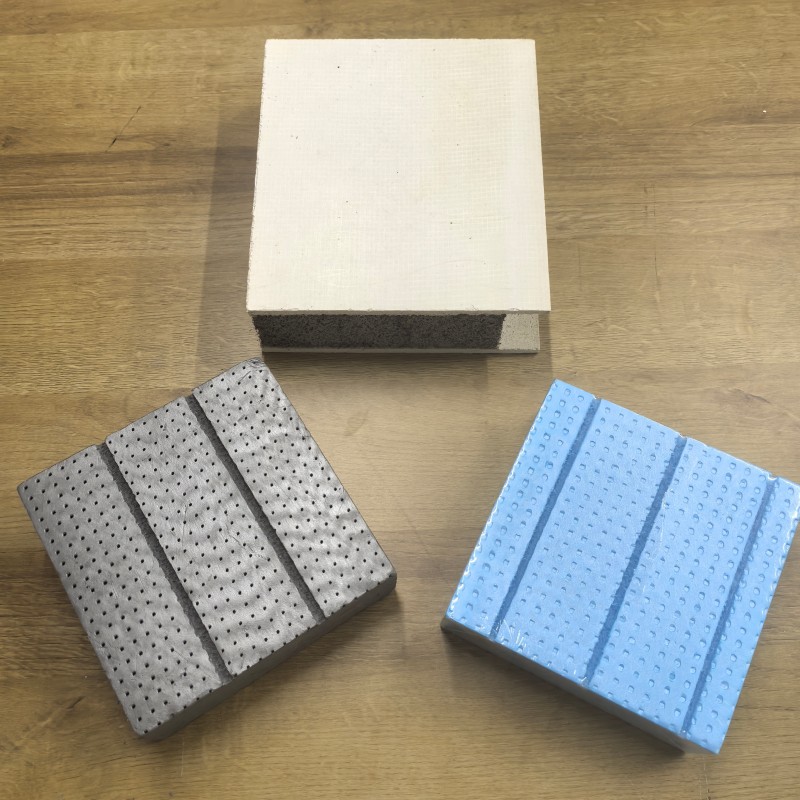 Environmental Building Board
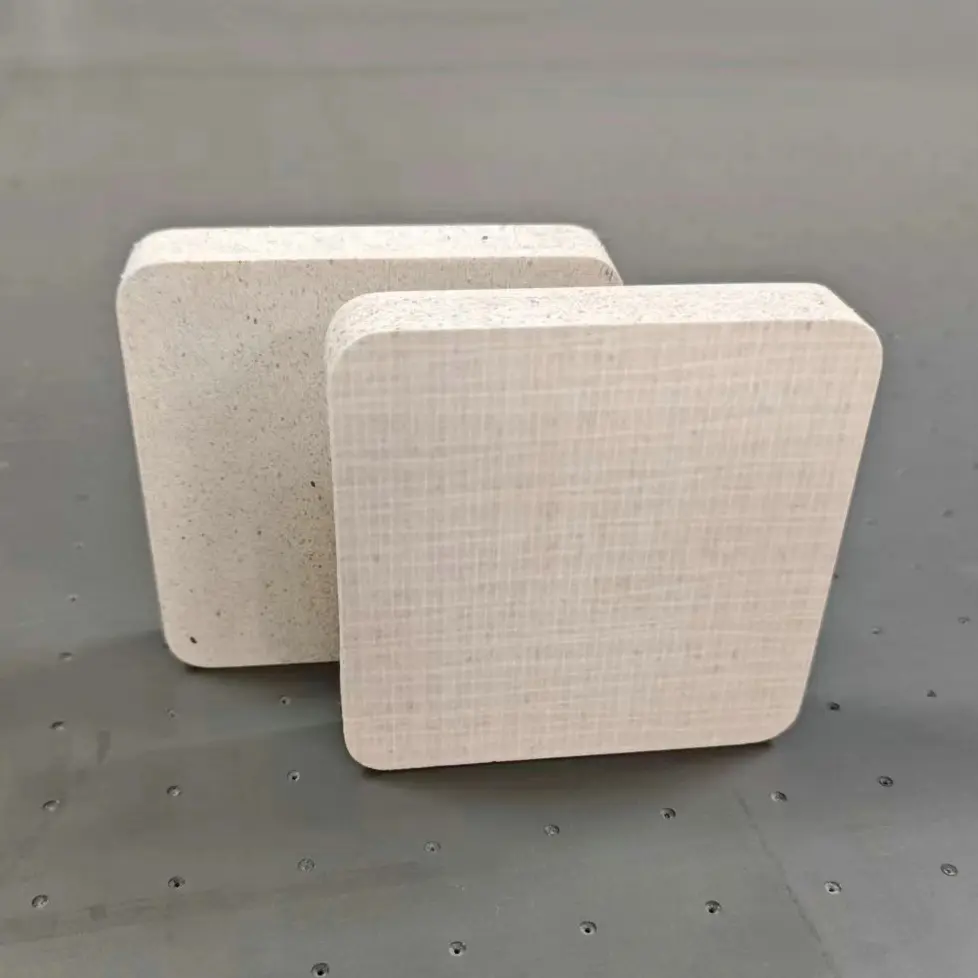 Fire-proof Board
 Sound Resistance
 Termite Resistance