How to Choose the Best Non-Toxic Board for Your DIY Projects?
Choosing the right materials for your DIY projects is crucial, especially when considering health and safety. Non-Toxic Boards are an excellent option for those who want to avoid harmful chemicals. These boards not only protect your well-being but also help create a safer environment for your family.
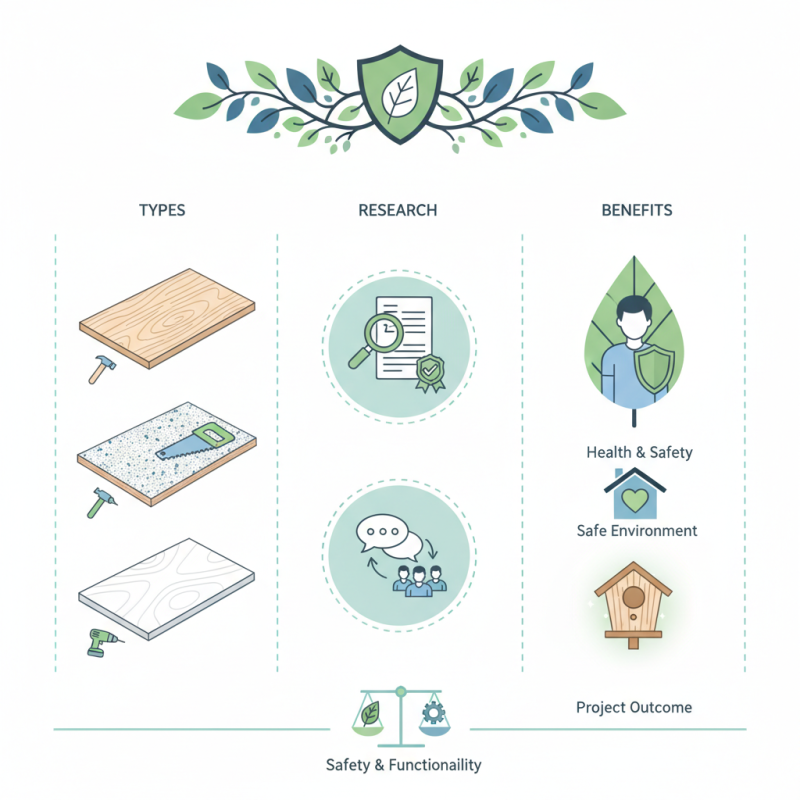
Many types of Non-Toxic Boards are available on the market. Each type has its own benefits and drawbacks. It can be challenging to navigate the options and choose the best one for your needs. Some boards may claim to be non-toxic, but their production processes can still involve harmful substances. It's important to research thoroughly.
Consider the sources of these boards. Look for certifications or recommendations from trusted organizations. Seek feedback from experienced DIYers. This step often reveals critical details that product descriptions overlook. Balancing safety with functionality is vital. Your choice of Non-Toxic Board will significantly impact the outcome of your projects.
Understanding Non-Toxic Materials: What to Look For
Choosing the right non-toxic materials for your DIY projects requires careful consideration. Look for boards that are free from harmful chemicals like formaldehyde and VOCs. These substances can off-gas, impacting indoor air quality. A great starting point is to check for certifications that indicate safety and low toxicity.
When evaluating materials, pay attention to how they are sourced. Sustainability matters. Opt for wood from responsibly managed forests or recycled materials. This not only supports the environment but also ensures you are working with safer products. Consider the finish as well. Non-toxic finishes, such as natural oils or water-based products, can enhance safety.
Your choice of tools and adhesives is equally important. Some glues contain harmful solvents. Explore options labeled as non-toxic or low-VOC. Remember, even the best materials can fall short without proper handling. Evaluate your workspace and ensure adequate ventilation during your projects. Taking these steps promotes a healthier crafting environment and fosters a deeper understanding of the materials you work with.
Understanding Non-Toxic Materials for DIY Projects
Types of Non-Toxic Boards Suitable for DIY Projects
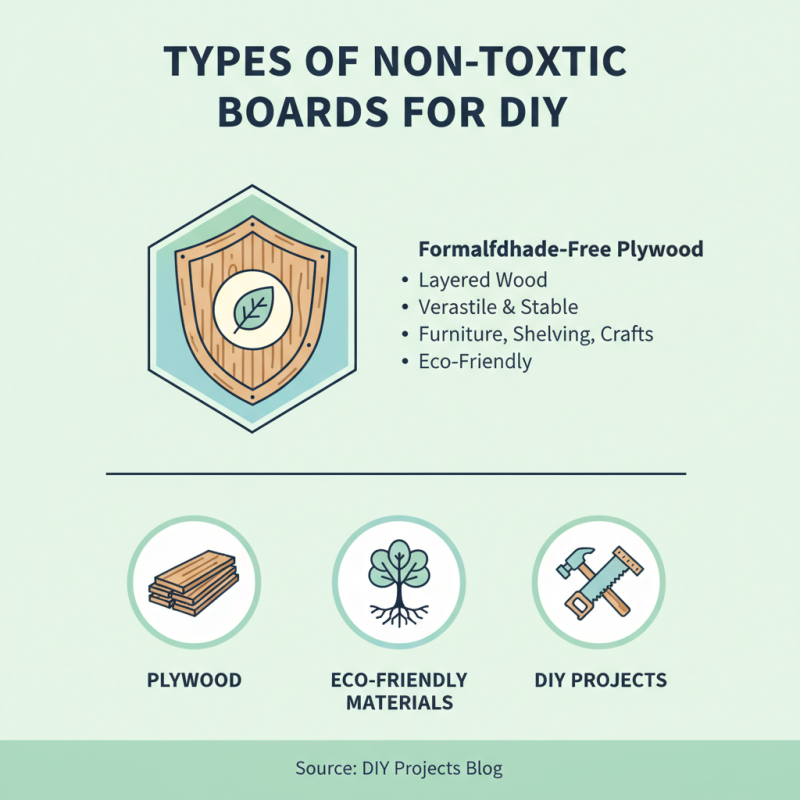
When selecting non-toxic boards for DIY projects, several types stand out. Plywood is a versatile option often made from layers of thin wood. Look for formaldehyde-free versions to ensure safety. These boards are ideal for furniture, shelving, or crafting. They provide great stability while being environmentally friendly.
Another option is MDF (Medium Density Fiberboard). It is made from wood fibers and resin. Non-toxic MDF boards use safer adhesives, reducing harmful emissions. They are easy to cut and shape, allowing for intricate designs in various projects. Beware of the dust created while working with MDF; it’s important to wear a mask.
Bamboo boards are becoming popular too. They are durable, renewable, and provide a unique aesthetic to projects. Bamboo is naturally resistant to moisture, making it suitable for various uses. However, ensure that the bamboo is sourced sustainably. Each type has its advantages and disadvantages. Consider your project requirements and preferences carefully.
Evaluating Certifications and Labels for Non-Toxic Boards
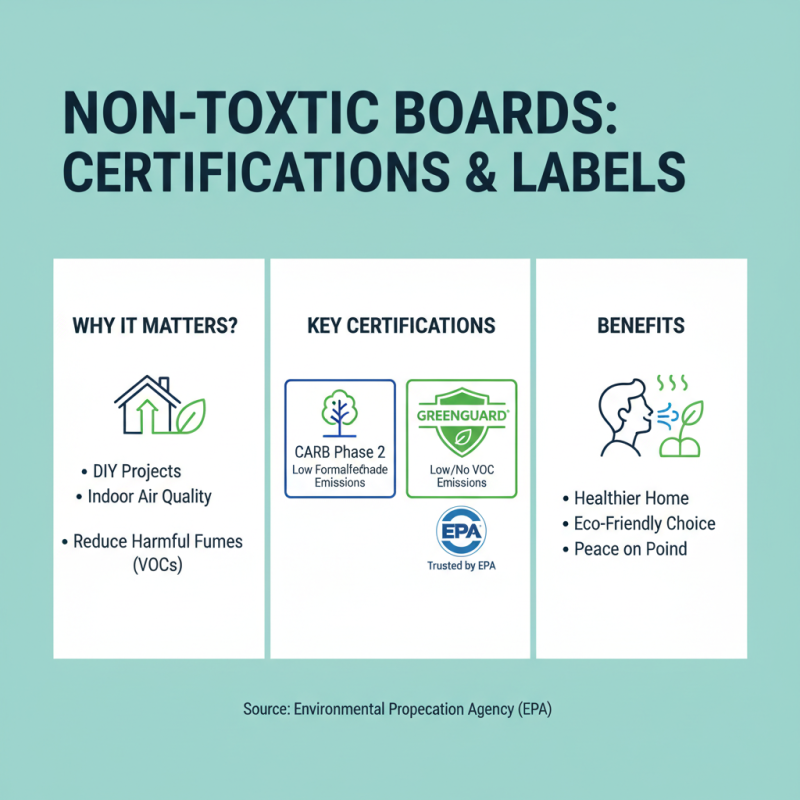
When selecting non-toxic boards for DIY projects, understanding certifications and labels is crucial. Certifications like CARB Phase 2 and GREENGUARD provide insights into a product's safety and environmental impact. According to the Environmental Protection Agency (EPA), products certified by GREENGUARD emit low or no volatile organic compounds (VOCs). These are harmful to indoor air quality.
Look for labels that indicate compliance with strict safety standards. The Forest Stewardship Council (FSC) certification ensures the wood comes from responsibly managed forests. This can be a significant factor in the overall sustainability of your projects. However, not all labeled products are created equal. Some may still contain harmful adhesives or finishes, even if the board itself is non-toxic.
Tips: Always check the specific VOC levels listed by the manufacturer. Transparency is vital. When in doubt, reach out to companies for detailed information about their board materials. Another important aspect is product testing. Perform small tests if you can. This can help you gauge the board's performance in your specific project. Reflecting on these factors allows you to make informed choices that align with your health and environmental values.
Comparing Cost and Quality of Non-Toxic Board Options
When embarking on DIY projects, selecting the right non-toxic board is crucial. Cost and quality of these boards can vary significantly. Cheaper options may seem tempting, but they often compromise safety and durability. Investing a bit more upfront may lead to a product that lasts longer and performs better.
Consider the materials used in non-toxic boards. Some are made from reclaimed wood, while others use safe adhesives. Understanding these components helps in determining quality. It's essential to research certifications that indicate safety. Look for boards that are free from harmful chemicals.
Not all non-toxic boards are created equal. Some may be more affordable but could lack the required certifications. Weighing cost against quality can be challenging. A lower cost doesn’t justify a product that might release toxins over time. Carefully examining customer reviews can provide insight into real-world performance and safety. Remember, your choices impact not only your project but also your health.
Tips for Safe Handling and Usage of Non-Toxic Boards
When working with non-toxic boards, safe handling is essential. Select boards that adhere to recognized safety standards. Look for certifications from organizations like ANSI or EPA. These marks indicate lower volatile organic compounds (VOCs), crucial for indoor air quality. Reports reveal that using non-toxic materials can reduce allergy symptoms in 15% of individuals, making them a wise choice for DIY projects.
Always wear gloves and a mask when cutting or sanding. Dust particles can irritate your skin or lungs, even from non-toxic materials. Ensure your workspace is well-ventilated. Open windows or use fans to dissipate any dust or fumes. Surprisingly, many people underestimate the importance of this. A study showed that 40% of DIY enthusiasts neglect proper ventilation, increasing health risks.
After handling, clean tools thoroughly to avoid cross-contamination. Rinse gloves to remove any residues. Dispose of any scraps responsibly. Environmental impact matters more than ever. A 2021 report indicated that improper disposal of materials contributes to about 30% of landfill waste. Reflecting on these practices ensures a safer and more sustainable approach to your DIY endeavors.



 Environmental Building Board
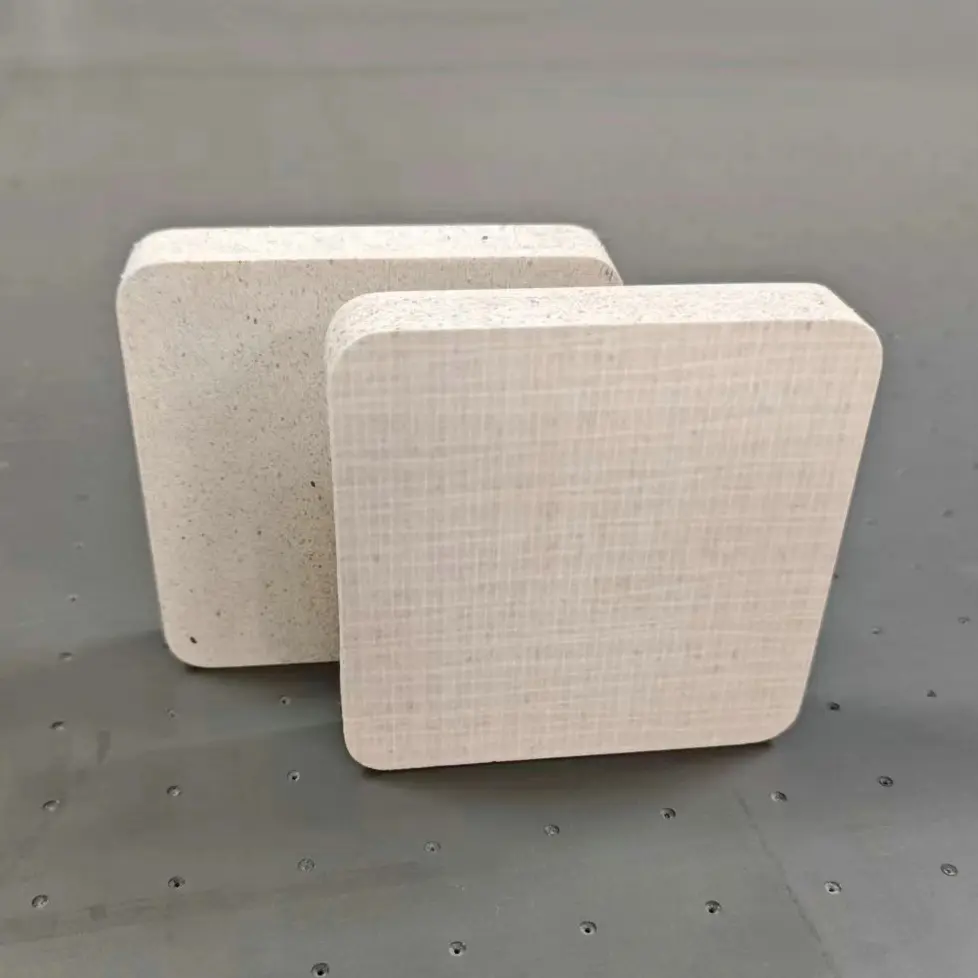 Fire-proof Board
 Sound Resistance
 Termite Resistance