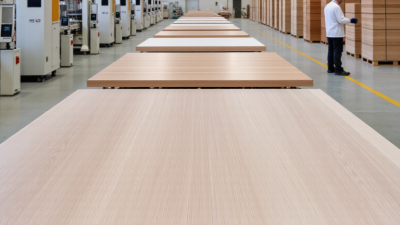
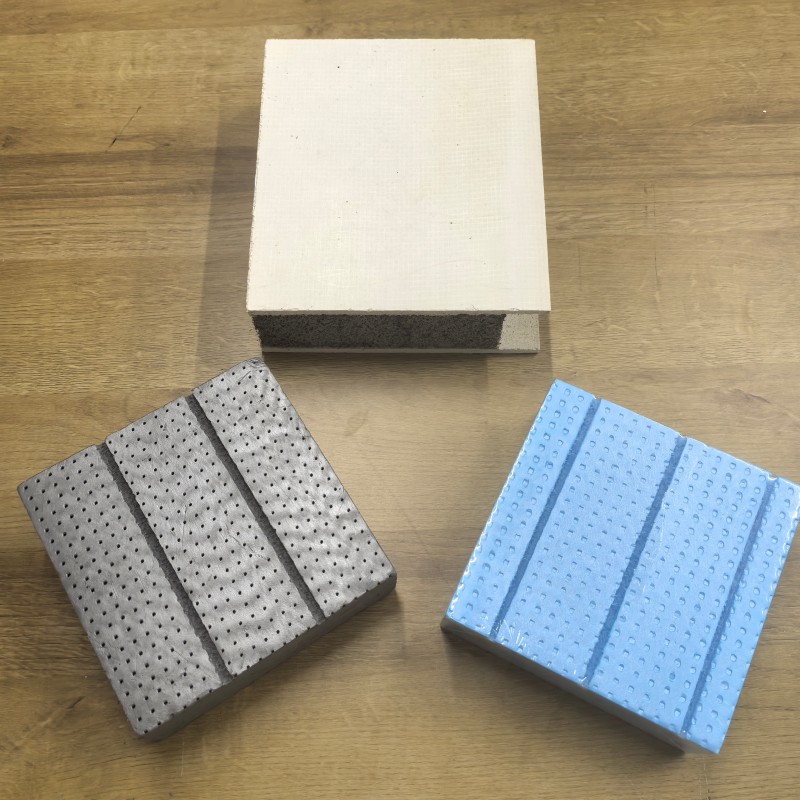
 Environmental Building Board
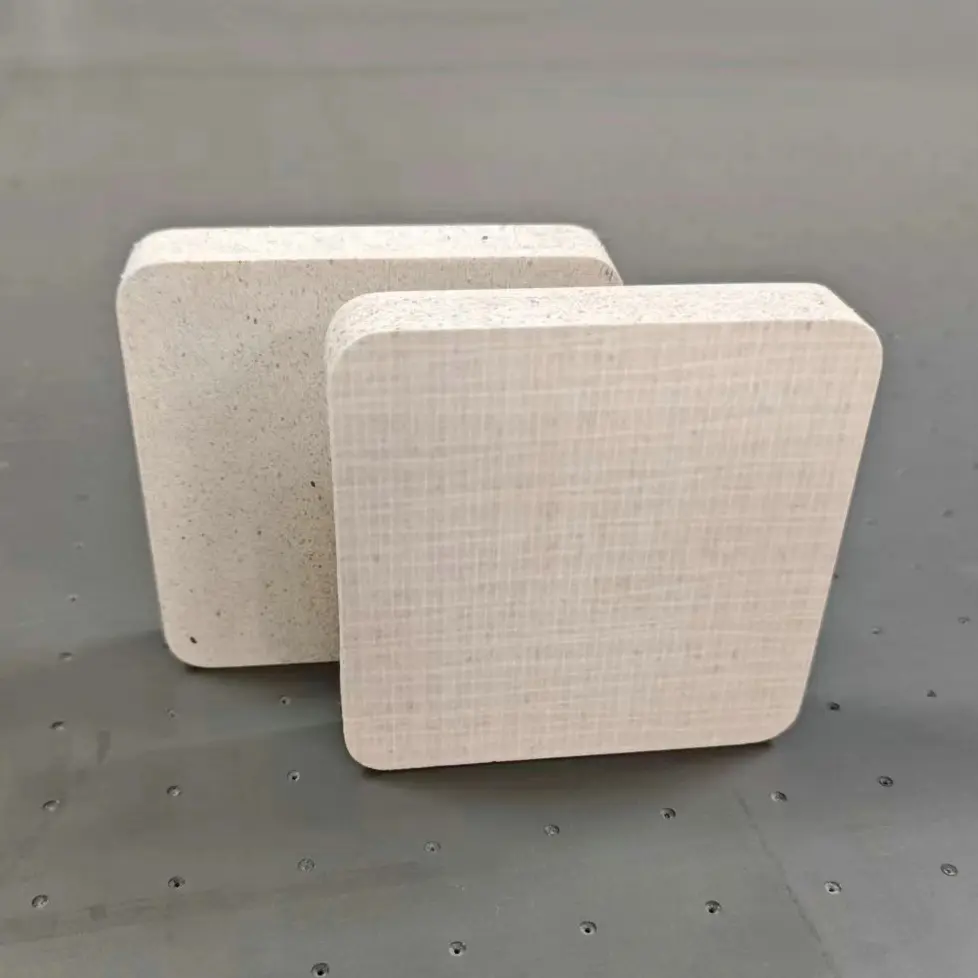 Fire-proof Board
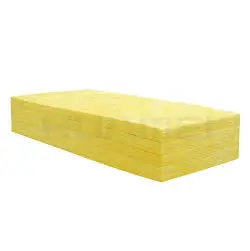 Sound Resistance
 Termite Resistance
Leave Your Message
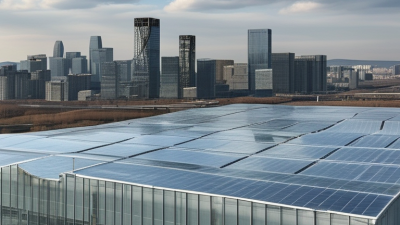
China’s glass wool board sector serves a practical need: reducing heat transfer and limiting sound in buildings. The International Energy Agency reported that building operations accounted for about 30% of global final energy consumption and 26% of energy-related emissions in 2022. Those figures help explain why insulation choices matter. They do not, by themselves, prove that one product or manufacturer is better.
Glass Wool Board is commonly used in walls, roofs, ceilings, and industrial equipment. Buyers comparing China’s top 10 manufacturers should examine more than catalogue claims. Check declared thermal conductivity, board density, thickness, water-repellent treatment, facing, and test documentation. Ask whether fire and acoustic results apply to the board alone or to a complete building assembly. Small details matter. A neat sample can look convincing, yet installation quality and project conditions still affect performance.
This guide introduces ten manufacturers and outlines practical points for evaluating their products. It draws on published company information and recognized building-sector references, including the IEA’s analysis of building energy use. Product specifications can change, and public data are not always presented in the same format. The comparison is therefore not perfectly tidy. Readers should confirm current certificates, production capacity, and sample results directly with suppliers before making a sourcing decision. Reliable evidence is more useful than a polished brochure.
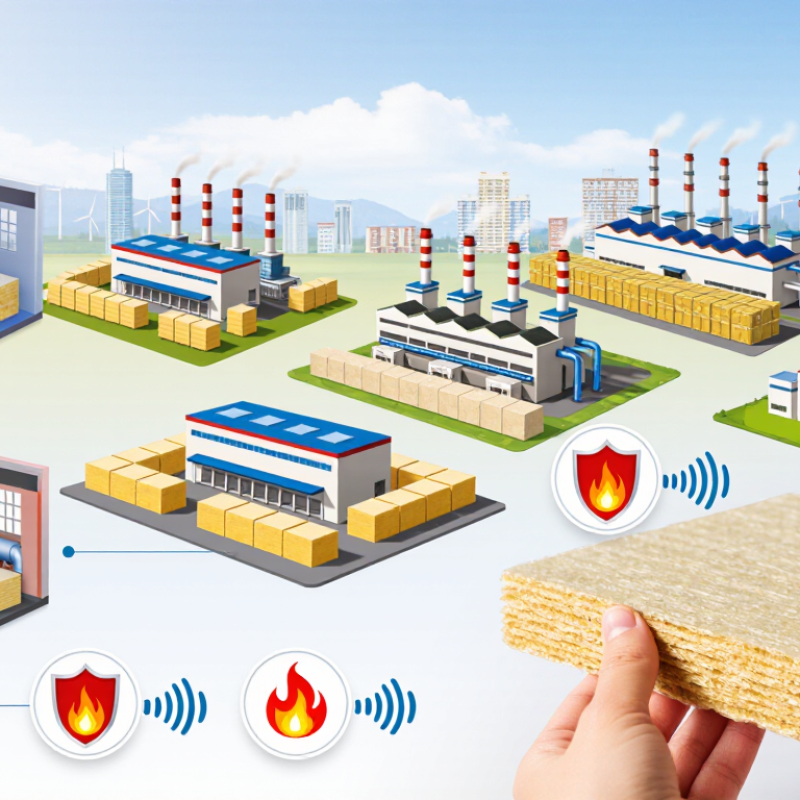
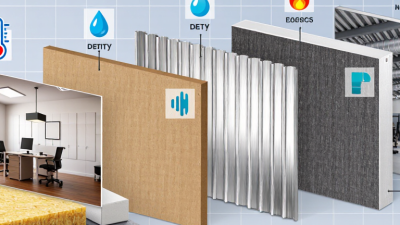
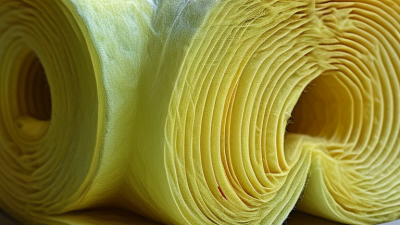
Glass wool boards are insulation panels made from fine glass fibers held together with a binder. Their trapped air slows heat transfer, while the fibrous structure can absorb sound within a building assembly. They are commonly used in interior walls, ceilings, roofs, and around ventilation equipment. Lightweight, but not fragile.
The board’s job depends on where it is installed. In a partition wall, it can reduce sound passing between rooms; in a roof or exterior wall, it can help limit heat loss. Acoustic results also depend on the framing, gaps, and finishes around it. A board alone cannot make a wall soundproof.
Thickness, density, and facing should suit the application, not just the price or a product label. During installation, tight joints matter: even a narrow gap can create a weak spot in the insulation layer. Details matter. Boards should be kept dry and cut without crushing their edges. Installers should follow the product guidance and use suitable protective clothing, gloves, and eye protection. The name can sound simpler than the product is; moisture control and the full wall design deserve equal attention.
Glass wool boards are lightweight, fibrous insulation products made from melted glass. The guide below summarizes common applications and indicative product characteristics; it is not a manufacturer ranking. Actual specifications vary by product, facing, thickness, and test method.
| No. | Common application | Typical board density | Typical thermal conductivity | How the board is used | Selection note |
|---|---|---|---|---|---|
| 1 | Interior partition walls | 24–48 kg/m³ | Approximately 0.032–0.044 W/(m·K) | Fitted between framing members to reduce heat transfer and help absorb sound within the wall cavity. | Match thickness to the available cavity and install without compressing the material. |
| 2 | External wall systems | 40–100 kg/m³ | Approximately 0.032–0.044 W/(m·K) | Installed as part of a designed wall assembly, often behind cladding or within a specified façade system. | Verify wind-load, moisture-management, fire, and façade-system requirements. |
| 3 | Roof and ceiling insulation | 24–64 kg/m³ | Approximately 0.032–0.044 W/(m·K) | Laid or secured within roof or ceiling assemblies to limit heat flow through the building envelope. | Use the assembly design to determine thickness, support, ventilation, and vapor-control details. |
| 4 | HVAC duct insulation | 32–80 kg/m³ | Approximately 0.032–0.044 W/(m·K) | Applied to ductwork to reduce heat gain or loss; suitable facings can also help control surface condensation. | Choose a duct-rated product and seal joints and facing as specified for the system. |
| 5 | HVAC equipment and plant rooms | 40–96 kg/m³ | Approximately 0.032–0.044 W/(m·K) | Used on suitable equipment casings and room surfaces for thermal insulation and sound absorption. | Confirm service-temperature limits and whether a protective facing is needed. |
| 6 | Acoustic wall and ceiling panels | 40–96 kg/m³ | Approximately 0.032–0.044 W/(m·K) | Placed behind a suitable acoustically transparent finish to absorb sound in interior spaces. | Sound absorption depends on thickness, mounting, air gap, and facing—not density alone. |
| 7 | Industrial pipe and vessel insulation | 48–120 kg/m³ | Product- and temperature-dependent; consult declared test data | Cut or formed sections may insulate industrial surfaces when the product is rated for the operating conditions. | Check maximum service temperature, cladding, moisture protection, and applicable safety requirements. |
| 8 | Acoustic enclosures and machine housings | 48–96 kg/m³ | Approximately 0.032–0.044 W/(m·K) | Installed inside an enclosure to absorb sound and, where needed, provide thermal resistance. | Use a durable, appropriately protected surface where fibers could be exposed to airflow or contact. |
| 9 | Cold-room and refrigerated-space assemblies | 48–96 kg/m³ | Approximately 0.032–0.044 W/(m·K) | May be incorporated into a properly designed insulated assembly to limit heat transfer. | Continuity of the vapor-control layer and condensation design are essential in cold applications. |
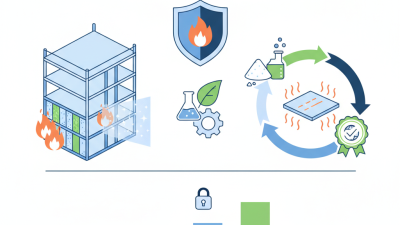
| 10 | Fire-resisting building assemblies | Product-specific; commonly 40–120 kg/m³ | Refer to the product declaration and tested assembly data | Used only where the complete wall, floor, or ceiling assembly has the required tested fire performance. | Do not infer an assembly fire rating from insulation material alone; follow tested-system details. |
Note: Density and thermal-conductivity figures are indicative ranges for common glass wool products, not guaranteed specifications. Check the product’s technical data sheet and applicable local standards before selection or installation.