Choosing the right Moisture-Proof Cement Fiber Board in 2026 starts with understanding where it will be installed. A bathroom wall, laundry room, or sheltered exterior may face different levels of moisture and impact. The board’s thickness, density, edge quality, and fixing requirements all affect performance. Small details matter.
Moisture resistance is not the same as waterproofing. Water can still enter through unsealed joints, penetrations, or poorly finished edges. Buyers should check current product data sheets for tested water absorption, dimensional stability, fire performance, and installation guidance. Compare those figures using consistent test methods, rather than relying on broad claims or a product name alone. Ask suppliers for supporting reports and clear warranty terms.
A useful comparison also considers site conditions. Will the board be cut on site? Does the specified screw spacing suit the framing? Are compatible jointing compounds and finishes readily available? A low purchase price may not reflect the full installed cost. Even a well-rated board can disappoint when the system around it is mismatched. That is easy to overlook.
This guide examines the features buyers can verify before placing an order, from dimensions and handling to documentation and intended use. It also notes where product claims deserve a closer look. No board suits every project. Check the details, then match the material to the actual exposure and installation plan.
2026 Best Moisture Proof Cement Fiber Board for Buyers
What Moisture-Resistant Cement Fiber Board Is and How It Works
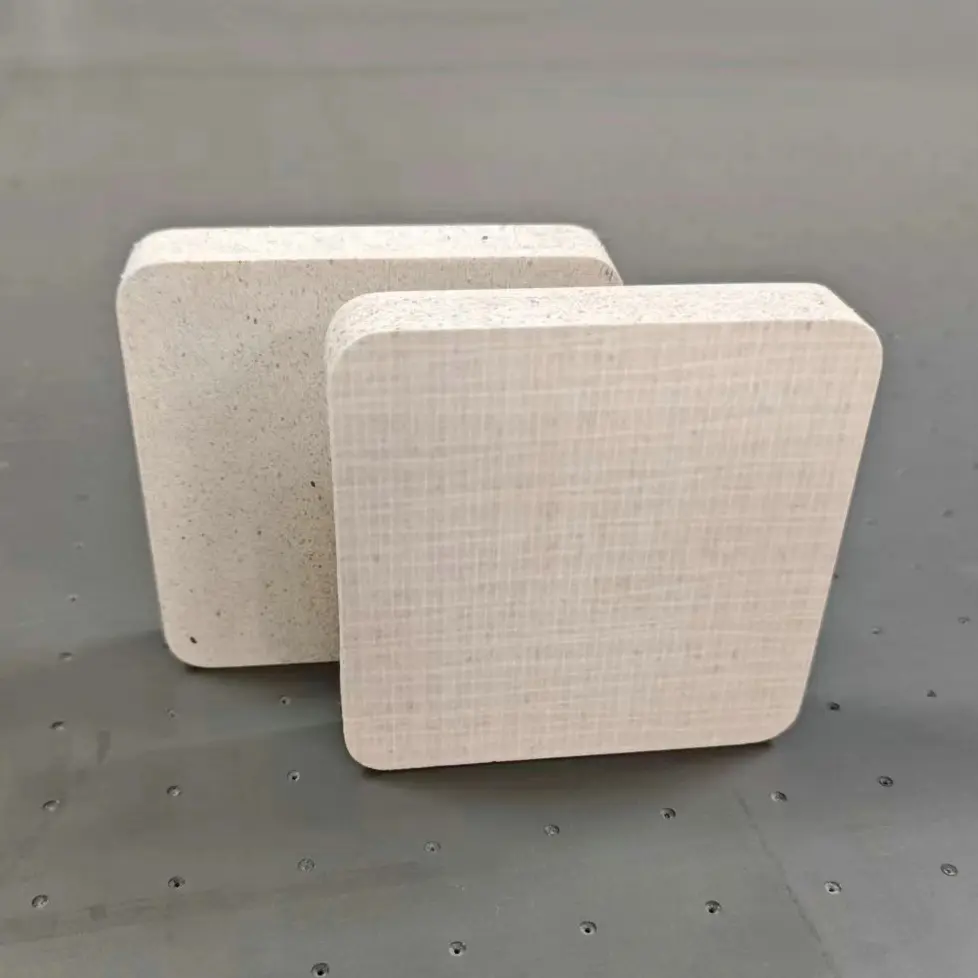
Moisture-resistant cement fiber board is a rigid sheet made from cement, mineral fillers, and reinforcing fibers. Formulations vary by product. During manufacture, the mixture is shaped and cured into panels that resist swelling and softening better than paper-faced materials when exposed to damp conditions. Resistant does not mean waterproof. The board may still absorb moisture, and prolonged wetting can affect adjacent framing or finishes. That distinction matters.
ASTM C1186-22 sets specifications for flat fiber-cement sheets, including requirements tied to their intended use. Buyers should check the product’s tested application rather than assume every panel suits a shower or exterior wall. Seams, fasteners, cut edges, and the surrounding water-control system matter too. A cut edge beside an unsealed shower corner is easy to overlook. The U.S. EPA’s A Brief Guide to Mold, Moisture and Your Home recommends keeping indoor relative humidity below 60%, ideally between 30% and 50%. That is an indoor moisture guideline, not a board rating. Cement fiber board can help provide a durable substrate, but it cannot correct leaks or poor drainage on its own.
At a constant temperature of 20°C, water vapor pressure rises with relative humidity. Cement fiber board has a cement-based matrix that resists rot and moisture-related damage better than many organic building materials, but it can still absorb water. It is not waterproof: use suitable waterproofing, sealed joints, and correct installation where direct or prolonged water exposure is expected. The chart shows indoor air moisture conditions, not a product performance rating.
2026 Best Moisture Proof Cement Fiber Board for Buyers
Key Properties That Determine Moisture Resistance
Moisture resistance depends on more than a board’s surface. Its pore structure, fiber-to-cement bond, thickness stability, and exposed edges all affect how water moves through it. A clean, dry face can still conceal weak points around screw holes or cut edges. Check these details.
ASTM C1185-22 sets out test methods for fiber-cement sheets, including water absorption, moisture movement, and wet-dry performance. Ask for the actual test report, not just a “waterproof” claim. Compare absorption, dimensional change, and strength retention after cycling, using the same test method and board thickness. A single low absorption figure can mislead.
Installation matters, too. The U.S. Environmental Protection Agency’s Mold Remediation in Schools and Commercial Buildings guidance recommends drying wet materials within 24–48 hours to help limit mold growth. That guidance concerns building materials generally; it does not prove a cement fiber board is mold-proof. Review edge-sealing and joint details for the intended installation. I would not judge a board by its face alone.
| Property | How It Is Evaluated | What to Check in Product Data | Why It Matters for Moisture Resistance | Buyer Guidance |
|---|---|---|---|---|
| Water absorption | Water uptake is measured after a specified immersion or conditioning procedure; fiber-cement test methods include ASTM C1185. | Request the test method, conditioning details, and reported absorption result. Compare only results produced using the same method. | Shows how much water the board can take up under the stated test conditions. It does not, by itself, establish that a board is waterproof. | Use the result as a comparison point, not as a substitute for waterproofing or correct detailing. |
| Water impermeability | Products can be assessed for water penetration using applicable product standards, such as EN 12467 for fiber-cement flat sheets. | Check the standard edition, product classification, and whether the report records water penetration or visible droplets on the reverse face. | Indicates whether water passes through the board during the specified test. It does not confirm that joints, edges, or fixings are watertight. | For wet-area assemblies, review the complete system specification, including membranes, joints, and penetrations. |
| Wet flexural strength | Flexural strength is tested after the sample is conditioned in a specified wet state and compared with the applicable product requirements. | Ask for wet and dry strength results, specimen orientation, and the test method used. | Moisture can affect the board’s ability to resist bending and handling loads. Strength retention helps assess performance after wetting. | Confirm that the reported strength suits the board’s intended use and support spacing. |
| Dimensional movement with moisture | Length or width change is measured between defined moisture or humidity conditions using the stated test procedure. | Request the movement value, units, test conditions, and installation allowance recommended by the manufacturer. | Moisture-related movement can contribute to stress at joints, fasteners, and adjacent finishes. | Allow for specified joint gaps and follow the board system’s fixing and joint-treatment instructions. |
| Freeze–thaw durability | Where relevant, specimens undergo repeated freezing and thawing cycles under the conditions set by the applicable standard. | Check the number of cycles, conditioning details, and reported changes in appearance or strength. | Repeated freezing and thawing can damage moisture-exposed materials, especially in exterior applications. | For cold climates, select a product tested for the required exposure category and installation system. |
| Thickness and density consistency | Thickness and physical properties are checked against product tolerances and the applicable product standard. | Review declared thickness, tolerances, density information if provided, and quality-control documentation. | Consistent boards help maintain predictable fixing, joint, and surface performance; these properties alone do not prove moisture resistance. | Check that the specified thickness is suitable for the application and that delivered boards match the approved data. |
| Edges, cut surfaces, and finish | Review installation instructions and any test or system documentation covering exposed edges, coatings, and joint details. | Confirm whether cut edges require sealing, which coatings are compatible, and how joints and fasteners must be treated. | Water can enter through unfinished edges or poorly detailed joints even when the board itself performs well in laboratory tests. | Use the specified edge treatment, compatible sealants, and suitable flashing or membrane details. |
| Standards and intended-use classification | Verify conformity documentation for the market and application; examples include ASTM C1186 for fiber-cement flat sheets and EN 12467 for fiber-cement flat sheets. | Check the exact standard, edition, product type, declared application, and current test or conformity documents. | Standards help define product characteristics and test procedures, but do not make every board suitable for every wet or exterior exposure. | Match the board’s declared use to the project and follow the complete installation specification. |
| Note: Test results depend on the method, specimen preparation, and conditioning. Compare products only when the same test method and conditions are used. Cement-fiber boards are not automatically waterproof; assembly design, membranes, joints, edge treatment, and drainage remain important. | ||||
A moisture-resistant cement fiber board should be judged by test evidence, not by the word “waterproof” on a sales sheet. Cement-based boards tolerate damp conditions, but edges, joints, and fasteners can still admit water. That matters. Check whether the product meets a recognized flat-sheet standard, such as ASTM C1186 or EN 12467, and confirm the applicable class and current edition.
Look closely at the specification sheet. It should state thickness, density, flexural strength, dimensional tolerance, and water absorption or moisture movement. Ask for test reports showing wet-dry cycling and, where relevant, freeze-thaw performance. A single strength rating tells only part of the story; results can vary with board thickness, test direction, and conditioning. Make sure the reported values match the exact product you plan to buy.
For bathrooms, exterior walls, or other wet areas, verify the board’s approved use and required waterproofing details. Check instructions for sealed cut edges, joint treatment, and compatible membranes. A strong panel can still fail when water collects behind it. I would compare independently tested data with the installation guide, though paperwork can be hard to interpret. If a supplier cannot explain a rating or provide its test method, treat that gap as a reason to investigate further.
To compare cement fiber board options for 2026, start with the actual exposure: a steamy bathroom, a covered exterior wall, or a splash-prone utility area. These conditions are not interchangeable. Check declared water absorption, dimensional stability, thickness tolerance, and intended use. Request current technical data and the test methods behind it. “Moisture-proof” can be misleading; cement fiber board is generally moisture-resistant, not a complete waterproofing system. Review instructions for membranes, joint treatment, fasteners, and edge sealing. Small details matter.
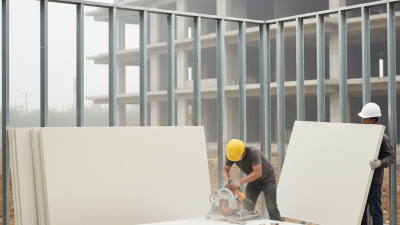
Compare board weight and dimensions with the project’s framing and handling needs. A heavier panel may feel sturdy, but it can be harder to cut and install overhead. Check whether cutting requires dust controls, and confirm compatible screws and spacing in the installation guide. Inspect a sample: look for chipped corners, uneven faces, or fragile edges. Check the edges. A neat specification sheet still cannot predict every site condition, and I would not rely on it alone. Compare warranty terms carefully, then ask a qualified installer how seams and penetrations will be protected in your specific assembly.
For a bathroom, laundry room, or covered exterior wall, choose cement fiber board by exposure, not by the word “moisture-proof.” No board makes a poor joint detail safe. Check the intended use, thickness, support spacing, and fastening schedule against the project conditions. ASTM C1186 sets physical requirements for flat fiber-cement sheets, but it is not a blanket waterproof rating. Ask for test data on water absorption, dimensional movement, and wet strength. Details matter.
The U.S. Environmental Protection Agency’s A Brief Guide to Mold, Moisture and Your Home recommends keeping indoor relative humidity below 60%, ideally between 30% and 50%. That guidance helps assess the room, but it does not replace proper waterproofing. For showers or other repeatedly wet areas, use a compatible waterproof membrane, seal penetrations, and follow the board maker’s installation instructions. Check cut edges and screw locations. Not just the face.
On site, compare the board’s rated application with the actual support frame and tile load. A heavy tile finish needs firm backing and correctly spaced fasteners. Store boards flat and dry before installation; a warped sheet can complicate tight joints. I would also confirm that the supplier can provide current test reports, since “moisture resistant” alone is vague. It is easy to overlook edges. Don’t.