China Top Thermal Insulation Solutions for Global Buyers?
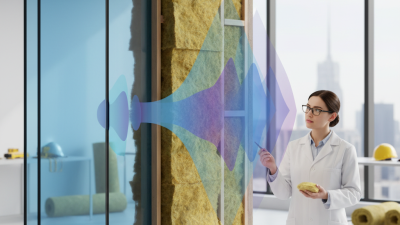
In recent years, the demand for effective thermal insulation solutions has surged globally. As energy efficiency becomes paramount, buyers must consider innovative materials and technologies. Dr. Emily Lin, an expert in thermal insulation, once stated, “The future of energy savings lies in the proper choice of thermal insulation.” Her insight highlights the importance of selecting the right insulation for various applications.
China stands out in the thermal insulation industry, offering a range of solutions tailored for diverse needs. The country is known for its advancements in insulating materials, which meet international standards. Companies in China provide products that address challenges in energy consumption and sustainability. However, navigating this market can be overwhelming for global buyers.
It is essential to evaluate the quality and reliability of thermal insulation solutions. Not all products are created equal. Potential pitfalls exist, such as overlooking certifications or failing to assess long-term performance. Buyers must engage with trusted manufacturers to ensure they make informed decisions. Emphasizing the right thermal insulation can lead not only to energy savings but also to enhanced comfort and safety in various environments.
China's Leading Thermal Insulation Materials: An Overview
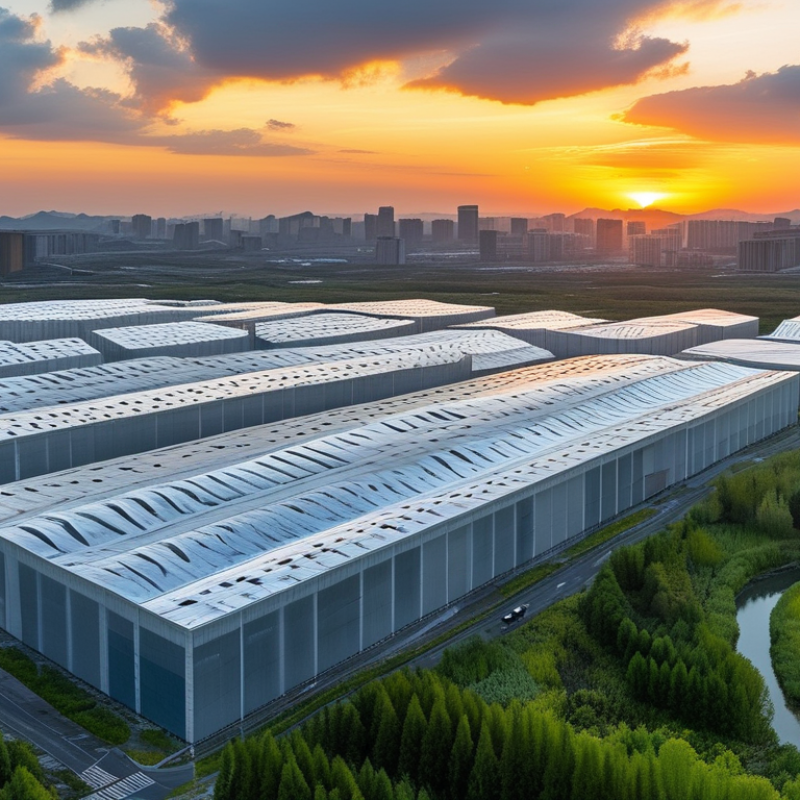
Thermal insulation materials are essential in many industries. In China, a variety of products stand out for their effectiveness and reliability. These materials help reduce energy consumption and improve overall building efficiency. Common types include fiberglass, mineral wool, and foam boards. Each material offers unique benefits tailored for specific applications.
Fiberglass insulation is popular due to its affordability and good thermal performance. It is widely used in residential and industrial settings.
Mineral wool, on the other hand, provides excellent fire resistance. This makes it a preferred choice in construction projects where safety is a priority.
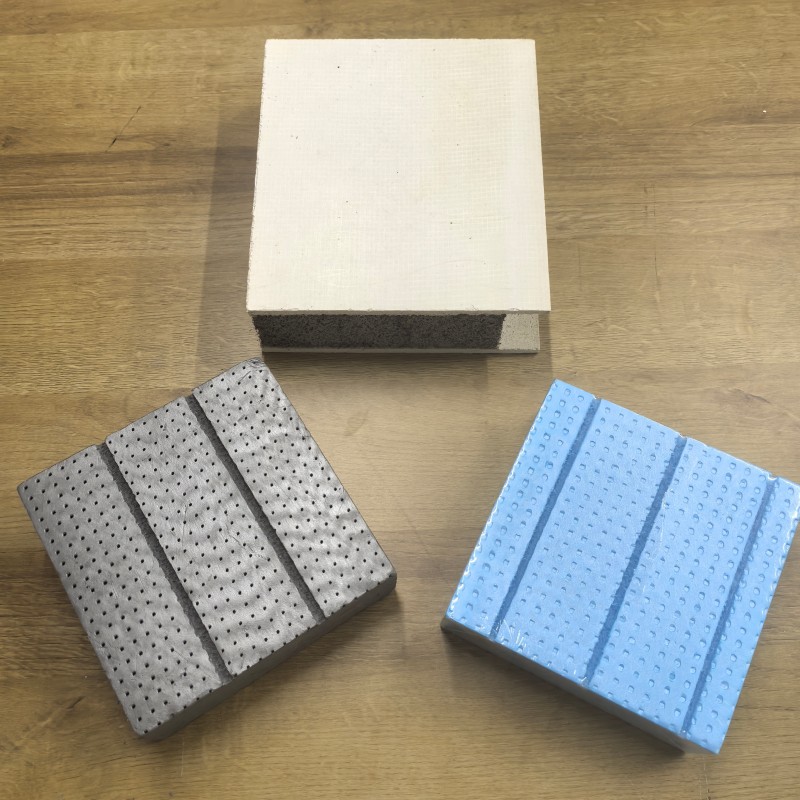
Foam boards are often used for insulating walls and roofs. Their lightweight structure makes installation convenient and efficient.
While China's thermal insulation market is growing, challenges remain. Quality control can vary among manufacturers, making it crucial for buyers to do their research. Understanding the pros and cons of each material ensures informed decisions. Buyers must stay updated on emerging technologies and trends in thermal insulation. Being aware of these factors can help in selecting the most suitable solutions.
Market Trends in China's Thermal Insulation Industry for 2023
The thermal insulation industry in China is undergoing significant transformations in 2023. With rising energy costs and environmental concerns, demand for efficient insulation solutions is escalating. Manufacturers are focusing on innovative materials that reduce energy consumption. This trend points to a shift towards sustainability, which affects production strategies.
However, some challenges remain. Many companies are still relying on outdated materials and methods. This reluctance can hinder progress toward new standards. Additionally, the integration of advanced technologies in thermal insulation is not uniformly adopted. While a few industry leaders are pioneering, others lag behind, impacting overall market performance.
Furthermore, government regulations are tightening. These regulations aim to enhance safety and efficiency in insulation materials. Companies must adapt quickly or risk falling behind. The emphasis on performance and sustainability over cost is paramount. The evolving landscape requires businesses to rethink their approach and explore creative solutions. The balance between innovation and practicality is a crucial consideration for future growth.
Key Players in China's Thermal Insulation Solutions and Their Innovations
China's thermal insulation industry is rapidly evolving, with several key players leading the charge. Major manufacturers have been investing heavily in research and development to enhance energy efficiency in building materials. Recent reports indicate that the market for insulation materials in China is projected to reach approximately $16 billion by 2025, highlighting a growing demand from both domestic and international buyers.
Innovations in material science are reshaping this sector. Companies have introduced eco-friendly solutions that reduce carbon footprints while providing superior thermal performance. For instance, advancements in aerogel and polyurethane foams are setting new benchmarks for insulation effectiveness. However, there is still a significant challenge in ensuring consistent quality across products. The variability in manufacturing processes can lead to discrepancies in insulation performance, which buyers need to assess.
Furthermore, the increased focus on sustainability has prompted many players to adopt circular economy principles. While this shift offers exciting possibilities, it also raises questions about sourcing raw materials responsibly. The balance between performance, cost, and environmental impact is complex. Key stakeholders must continue to address these dilemmas while striving to meet global standards and consumer expectations in thermal insulation.
Comparative Analysis of Thermal Insulation Efficiency Standards Globally
When evaluating thermal insulation efficiency standards globally, a stark contrast emerges. Different countries prioritize different criteria based on climate and building regulations. In colder regions, insulation values, often measured in R-values, are paramount. These values determine a material's resistance to heat flow. Higher R-values indicate better insulation, crucial for energy conservation during harsh winters.
In warmer climates, the focus shifts to materials that reflect heat rather than retain it. This often means lower R-values but enhanced performance in reducing cooling needs. Countries may implement unique testing methods and benchmarks, leading to inconsistencies in the perceived effectiveness of insulation products.
Furthermore, emerging technologies complicate the landscape. Innovative materials like aerogels challenge traditional systems, yet their integration into standards is often slow. Existing regulations can lag behind advancements, prompting questions about the reliability of these standards. The need for harmonization becomes essential, ensuring that global buyers can make informed decisions. Ultimately, the quest for optimal thermal insulation demands ongoing dialogue and comprehensive evaluations across borders.
Comparative Analysis of Thermal Insulation Efficiency Standards Globally
Sustainability Practices in China's Thermal Insulation Manufacturing Sector
China's thermal insulation manufacturing sector is taking significant steps toward sustainability. Many companies are adopting eco-friendly materials and processes. This shift is not just beneficial for the environment but also for enhancing product quality. For example, some manufacturers now use recycled content in insulation products. This reduces waste and energy consumption during production.
However, challenges remain. The transition to sustainable practices can be costly and complex. Some manufacturers struggle to balance cost and environmental responsibility. Moreover, not all firms follow the same standards. This inconsistency can create confusion for global buyers seeking reliable insulation solutions. Increased transparency and certification could help address these issues.
As demand for sustainable products grows, China's thermal insulation sector is evolving. Innovations in technology are being introduced, focusing on energy efficiency. This transformation reflects a broader commitment to sustainability. Yet, the path forward requires continuous improvement. More collaboration between manufacturers and buyers is essential for achieving true sustainability in the industry.
China Top Thermal Insulation Solutions for Global Buyers - Sustainability Practices in China's Thermal Insulation Manufacturing Sector
| Material Type |
R-value (m²K/W) |
Sustainable Manufacturing Practices |
Recyclability (%) |
Life Cycle Assessment (LCA) Score |
| Fiberglass |
3.14 |
Energy-efficient manufacturing, reduced emissions |
70 |
B+ |
| Polystyrene |
3.80 |
Recycled content use, low-energy processes |
60 |
A |
| Mineral Wool |
3.15 |
Sustainable sourcing, waste reduction strategies |
80 |
B |
| Cellulose |
3.70 |
Post-consumer recycled material, eco-friendly chemicals |
90 |
A+ |
| Aerogel |
4.00 |
Innovative low-impact processes, minimal waste |
75 |
A |



 Environmental Building Board
 Fire-proof Board
 Sound Resistance
 Termite Resistance